1 hr ago
India Seeks Sovereign Technology Autonomy While Staying Open Globally
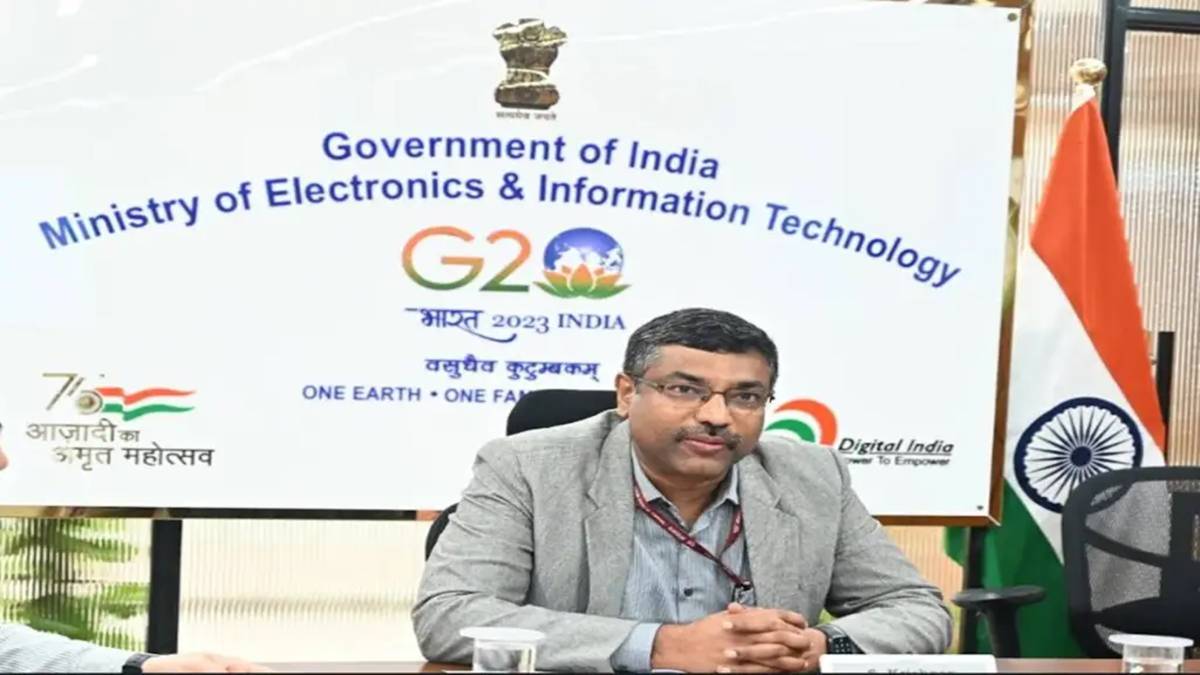
India wants to be able to use the newest technology from around the world.
It also wants to make enough technology at home so it can keep going if supplies are suddenly blocked.
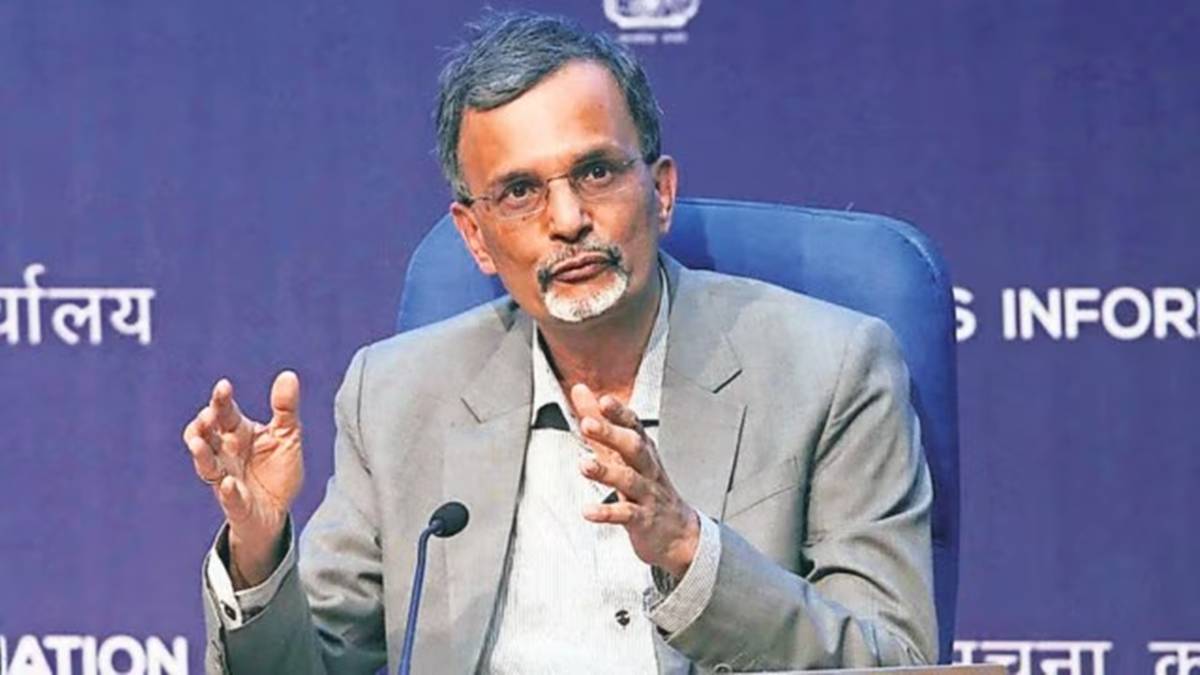
S. Krishnan of the Ministry of Electronics and Information Technology described this as sovereign autonomy.
He said India should not depend on just one country or one source for important technology.
India also wants to become an important part of global supply chains.
This could encourage other countries and companies to keep doing business with India.
Krishnan said companies are already spreading their production across more countries to reduce risks.
He also said India can make smartphone screen protectors domestically.
From April 1, 2027, such products will have to meet India’s required standards.

MeitY Secretary S. Krishnan said India needs sovereign autonomy in technology while remaining open to global innovation.
He outlined three priorities: access to global technology, domestic capacity against supply denial, and a larger role in global value chains.
Krishnan said India should avoid dependence on any single technology or supply source, amid ties with Washington and Beijing.
He said global companies are diversifying supply chains and paying more for resilience against over-concentration in individual markets.
India will require smartphone screen protectors to meet Indian Standards from April 1, 2027, with a transition period ending March 31, 2027.
- Who
- S. Krishnan, Secretary of India’s Ministry of Electronics and Information Technology, speaking at a Public Affairs Forum of India event.
- What
- India’s strategy for building sovereign autonomy in technology while maintaining access to global innovation.
- Where
- New Delhi, India.
- When
- Thursday; smartphone screen-protector compliance becomes mandatory on April 1, 2027, after a transition period ending March 31, 2027.
- Why
- To protect India from supply disruptions and technology denial while strengthening its role in global value chains.
Domestic technological resilience
Global technological openness
How India should secure technology
Domestic technological resilience
India should build sufficient domestic capacity to withstand supply disruptions or technology denial.
Global technological openness
India should remain open to global technology so people and businesses can access innovations that are not yet available domestically.
Supply-chain dependence
Domestic technological resilience
Relying too heavily on one country or source could expose India to disruption, making diversification and self-reliance important.
Global technological openness
Maintaining flexible international partnerships, including with major global economies, can provide access to technology and strengthen supply-chain resilience.
Domestic standards and manufacturing
Domestic technological resilience
Requiring products such as smartphone screen protectors to meet Indian Standards can support domestic manufacturers and prevent substandard imports from undercutting them.
Global technological openness
The transition period through March 31, 2027, gives manufacturers and other entities time to adapt before compliance becomes mandatory.
Key facts
- Speaker
- S. Krishnan, Secretary, Ministry of Electronics and Information Technology
- Strategy pillars
- Global technology access, domestic capacity, and a larger share of global value chains
- Supply approach
- Avoid dependence on a single technology or supply source
- Global trend
- Companies are diversifying supply chains and paying a resilience premium
- Domestic capability
- India has enough capacity to manufacture smartphone screen protectors
- New requirement
- Screen protectors must comply with prescribed Indian Standards from April 1, 2027
- Transition deadline
- Manufacturers and other entities have until March 31, 2027, to transition
Quotes
S. Krishnan
Secretary of India’s Ministry of Electronics and Information Technology
“You need to be open to global technology because there are areas where you fall short and our people and our enterprises can continue to have access to the latest technology globally.”
 financialexpress.com
Sources
Related news
India’s Defence Self-Reliance Is Key to Strategic Resilience
India Defines Semiconductor Self-Reliance Through Trusted Global Partnerships
Hyundai Executive Urges India to Cut Auto Component Trade Deficit
India Urged to Build Buffers Beyond Protectionism

SAP Builds India Cloud Strategy Around Sovereignty and AI

Sachin Siwach Reaches Asian Games Boxing Quarterfinals After Split Decision

Farhan Aims to Lead Pakistan Beyond Asian Games

India Begin World Cup Preparations Against West Indies

Indian Women’s Kabaddi Team Reaches Asian Games Final