18 hrs ago
Why Indian Teachers Leave Early: Preparation, Status and Stagnant Careers

Many teachers in India leave their jobs during their first five years.
A UNESCO report says South Asia, including India, needs many more teachers.
The article says primary teachers often have few chances to move into leadership or help make education policies.
It also argues that teachers need strong preparation to understand children and help them learn.
Delhi University’s elementary education degree is described as one example of a programme that helped prepare committed teachers.
The writer says newer teacher education plans may focus too much on standard courses and credits.
When teachers feel unsupported or unprepared, they may lose motivation or leave.
The article calls for better teacher preparation and greater respect and influence for primary teachers.

UNESCO’s 2023 report cited a shortage of 7.8 million teachers in South Asia, including India, and warned that many leave within five years.
The article links early departures to low motivation, difficult working conditions, weak preparation and limited professional status.
Primary teaching offers limited career progression, and primary teachers’ experience is not counted toward eligibility to become school principals.
The writer presents Delhi University’s four-year Bachelor of Elementary Education as a programme that prepared committed elementary teachers.
The article argues that NEP 2020’s Integrated Teacher Education Programme risks prioritising standardised course structures over learner needs and teacher autonomy.
- Who
- Primary teachers in India, teacher-education institutions and policymakers.
- What
- The article examines why teachers leave early and argues for better preparation, career pathways and status for primary teachers.
- Where
- India, with the reported teacher shortage covering South Asia.
- When
- The article discusses UNESCO’s 2023 report and teacher education changes under NEP 2020; World Teachers’ Day is observed annually on October 5.
- Why
- The writer attributes departures to low motivation, weak preparation, difficult working conditions, limited career progression and low professional status.
The writer’s concerns
Policy rationale described in the article
Teacher preparation under NEP 2020
The writer’s concerns
The writer argues that ITEP risks carrying forward a training-oriented, standardised model that gives priority to content, credits and degree structures over learner needs and teacher autonomy.
Policy rationale described in the article
The article describes the policy as replacing teacher-education programmes with ITEP, but does not present a direct defence or response from policymakers.
Career progression for primary teachers
The writer’s concerns
The writer says primary teaching is a stagnant career path and that primary teachers’ experience is not counted toward eligibility to become principals.
Policy rationale described in the article
The article provides no opposing account of existing career-pathway policy or its rationale.
Key facts
- UNESCO report
- The Global Report on Teachers was published in 2023.
- Regional shortage
- UNESCO’s report cited a shortage of 7.8 million teachers in South Asia, including India.
- Early departures
- The report warned that teachers leave the profession within their first five years, especially at the primary level.
- World Teachers’ Day
- Observed annually on October 5.
- Delhi University programme
- The university introduced a four-year integrated Bachelor of Elementary Education programme in the 1990s.
- NEP 2020 programme
- The article says the policy framework introduces the Integrated Teacher Education Programme (ITEP).
- Writer
- The writer teaches education at Delhi University.
Sources
Related news
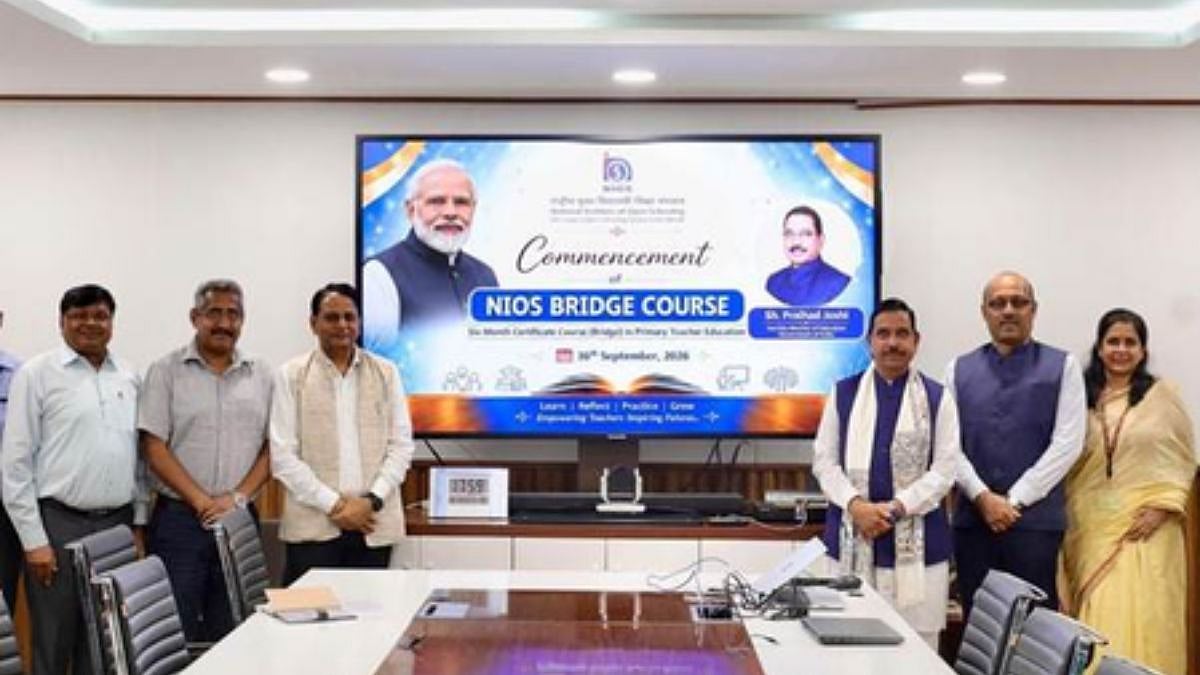
Education Ministry Launches Six-Month Bridge Course for B.Ed Primary Teachers
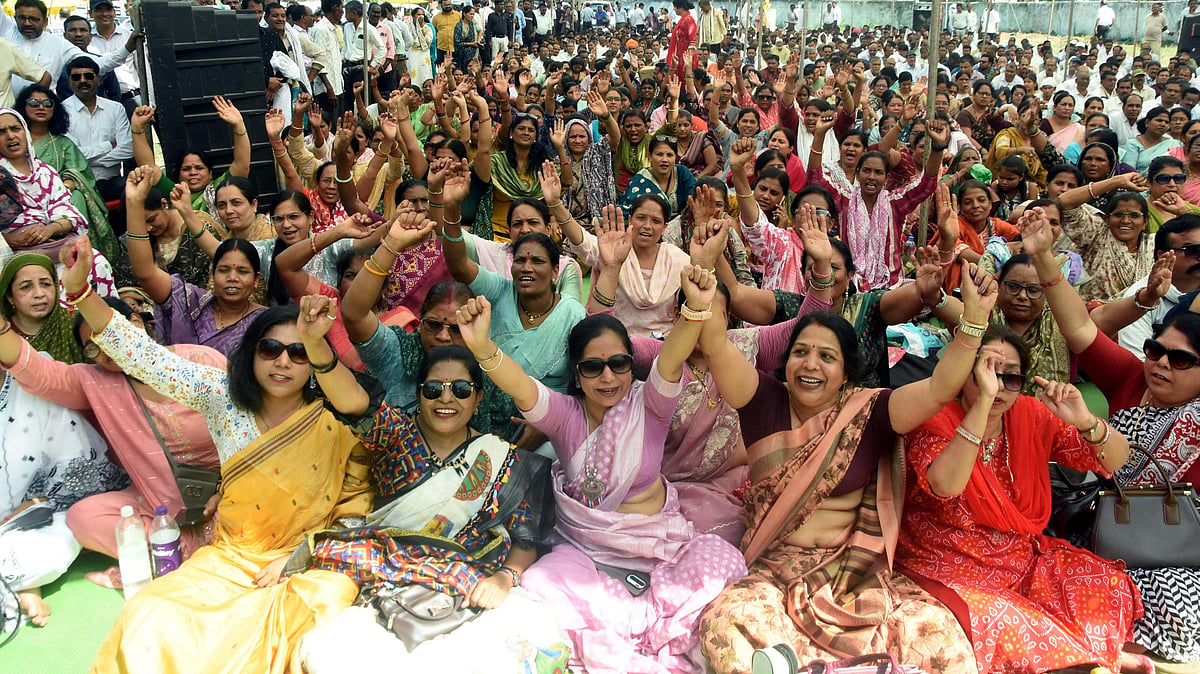
Madhya Pradesh Teachers Protest Mandatory TET and Demand Old Pension
Madhya Pradesh Teachers Intensify Bhopal Protest Over Service Demands
World Teachers’ Day Marks 60 Years of Teacher Standards

India’s Exam-Focused Classrooms Need A New Learning Pathway

AISA Flags Recruitment, Education and Unemployment Concerns in Uttar Pradesh
My Son Sanctuary: Vietnam’s Ancient Champa Spiritual Heart

Weekend Newsletter Explores Travel, History and Hidden City Life
Rano Raraku Quarry Preserves How Rapa Nui Moai Were Carved

Georgia’s Ancient Qvevri Tradition Shapes Its Distinctive Wines