

1 day ago
Russia’s Return and Press Restrictions Disrupt G20 Finance Talks

Finance ministers from major countries met in North Carolina to discuss the world economy.
Russia’s finance minister was invited back to the meeting in person.
Some European ministers were upset because Russia is fighting a war with Ukraine.
They did not include him in the traditional group photograph.
The United States also stopped some journalists from attending, which drew criticism.
U.S. officials said the meeting should focus on growing economies and managing large debts.
They also discussed China selling more goods than it buys and the effects of the war involving Iran on energy prices.
Another topic was whether the huge increase in artificial-intelligence investment will help economies grow.

Russian Finance Minister Anton Siluanov attended the G20 meeting in person for the first time since Russia invaded Ukraine in 2022.
Several European finance officials criticized Russia’s invitation, and the traditional G20 family photo was taken without Siluanov.
U.S. Treasury Secretary Scott Bessent urged members to pursue stronger growth to address record global debt.
The United States denied media credentials to some Bloomberg, New York Times, and Wall Street Journal journalists.
G20 ministers also discussed the Iran-related energy shock, China’s trade surplus, and the economic impact of an AI investment boom.
- Who
- G20 finance ministers and central bank governors, including U.S. Treasury Secretary Scott Bessent and Russian Finance Minister Anton Siluanov.
- What
- A two-day G20 finance meeting addressed global growth, debt, trade imbalances, energy pressures, and AI investment, while Russia’s participation and restrictions on some journalists caused controversy.
- Where
- Asheville, North Carolina, United States.
- When
- The meeting began on Monday, August 31; trade imbalances were scheduled for discussion on Tuesday.
- Why
- The ministers met to discuss economic growth, record global debt, the Iran-related energy shock, China’s trade surplus, and other risks to the global economy.
Critics of the U.S. approach
U.S. and supportive positions
Russia’s G20 invitation
Critics of the U.S. approach
Polish and German finance ministers said Russia’s presence was troubling, citing distrust and the need to support efforts to sanction Russia over its war with Ukraine.
U.S. and supportive positions
The United States invited Siluanov to the meeting, while Poland’s finance minister acknowledged that G20 hosts have the right to invite guests. U.S. officials said Bessent’s meeting with him focused on the Ukraine peace plan and that relief for Russia was not available before the war ends.
Press access
Critics of the U.S. approach
German Finance Minister Lars Klingbeil said excluding journalists or entire editorial teams was unacceptable and that the public had a legitimate interest in open reporting.
U.S. and supportive positions
A U.S. Treasury spokesperson said more than 300 media workers were covering the event, including another New York Times reporter, and said access carried a responsibility to report factual information consistent with journalistic standards.
Economic priorities
Critics of the U.S. approach
Economists and French Finance Minister Roland Lescure said the United States also needed to reduce its growing fiscal deficits as part of creating a more balanced global economy.
U.S. and supportive positions
Bessent emphasized growth, deregulation, energy production, and innovation as ways to address debt, and said the United States was in a stronger position than many advanced economies because it continued to grow.
Key facts
- Russian participation
- Anton Siluanov attended a G20 meeting in person for the first time since Russia invaded Ukraine in 2022.
- Global debt
- Global debt reached nearly $353 trillion earlier this year, according to the report.
- U.S. growth strategy
- Scott Bessent said stronger growth was the best way to address the debt overhang accumulated after the global financial crisis and COVID-19 pandemic.
- Russia-U.S. meeting
- Bessent and Siluanov discussed financial cooperation and the U.S. peace plan for Ukraine; a source said no economic relief for Russia was possible until the war ends.
- Media access
- The U.S. Treasury denied credentials to some Bloomberg News journalists and specific reporters from The New York Times and The Wall Street Journal.
- China trade surplus
- Bessent said China had a $1.2 trillion trade surplus and urged members to press Beijing to rely more on domestic consumption.
- AI investment
- Federal Reserve Chairman Kevin Warsh said an AI investment boom appeared to be ending an era of secular stagnation.
Quotes

Andrzej Domanski
Polish finance minister
“We do not trust Russia. They lie constantly and you need to be really, really cautious while discussing with them.”
 theprint.in
“I consider it unacceptable for journalists or entire editorial teams to be excluded.”
theprint.in

Scott Bessent
U.S. Treasury secretary
“The world is awash in debt post-GFC, post-COVID, and the only way for us to get out of this is to grow our way out of this.”
theprint.in
Sources
Related news
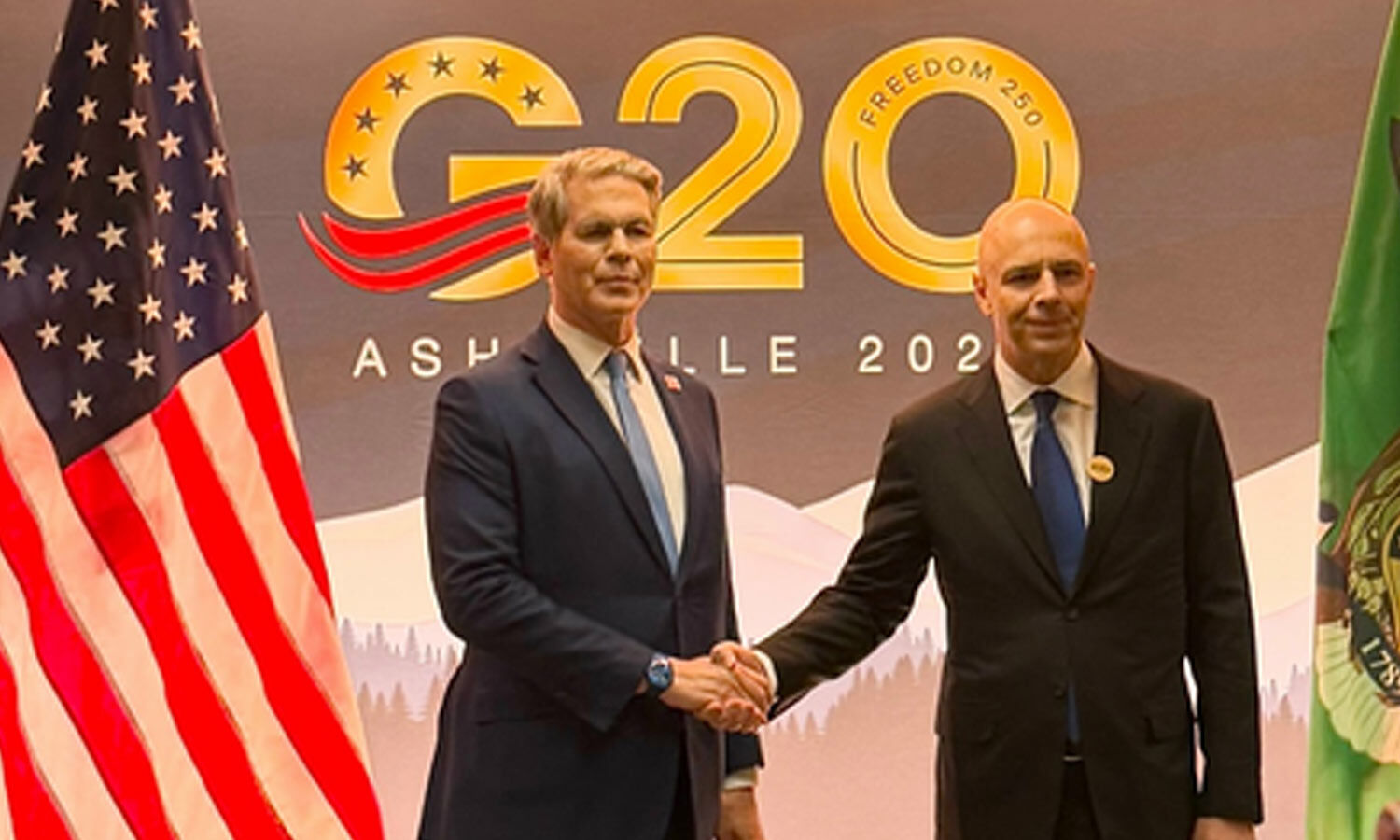
US Treasury Secretary Defends Russian Finance Minister’s G20 Invitation
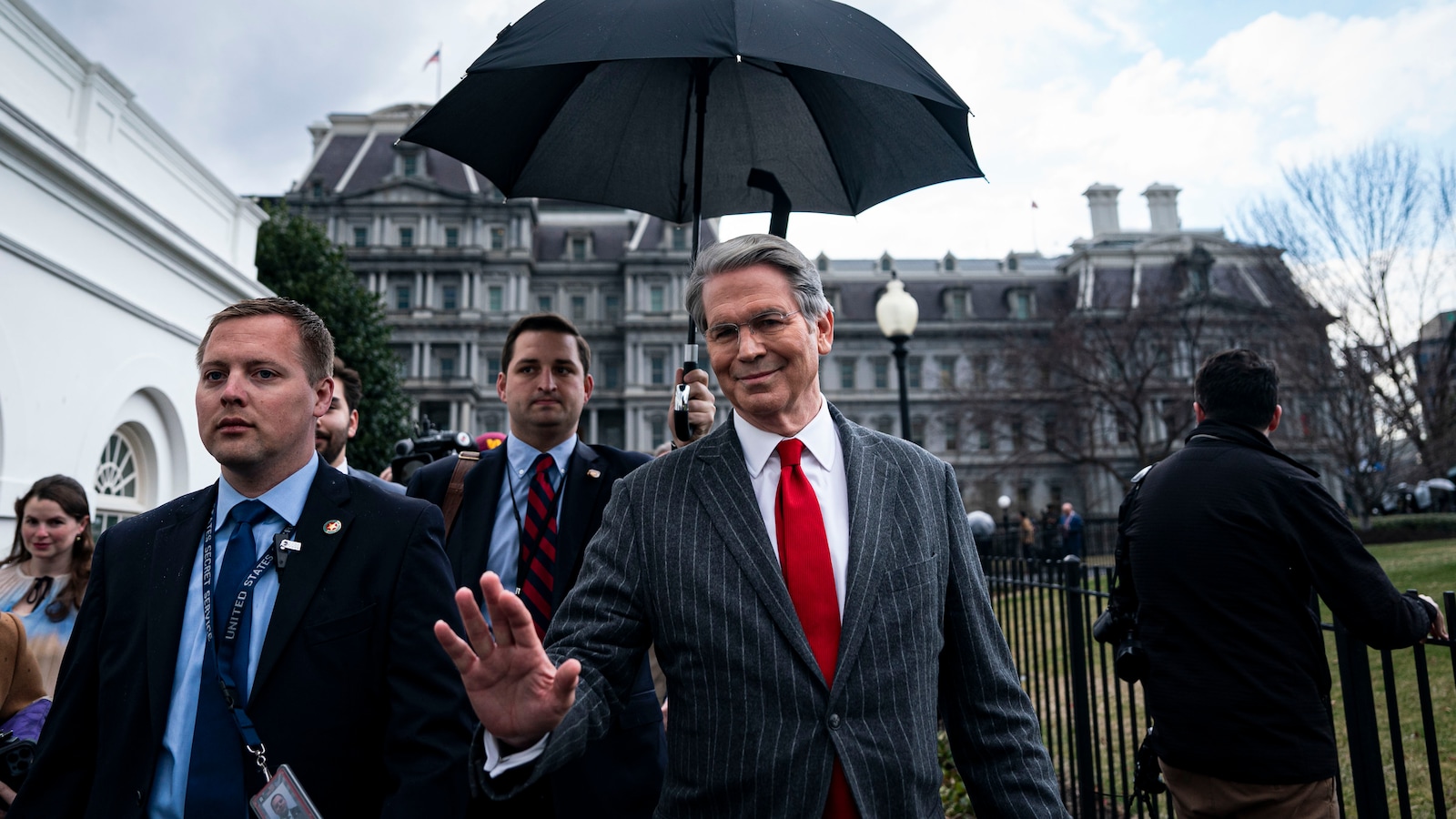
Treasury Blocks Major Outlets From G20 Finance Meeting

G20 Finance Talks Put Global Growth Amid Debt, Trade Disputes
Finance chiefs gather in Asheville for G20 economic talks
Bessent Faces G20 Test Over Tariffs, Iran War, Debt
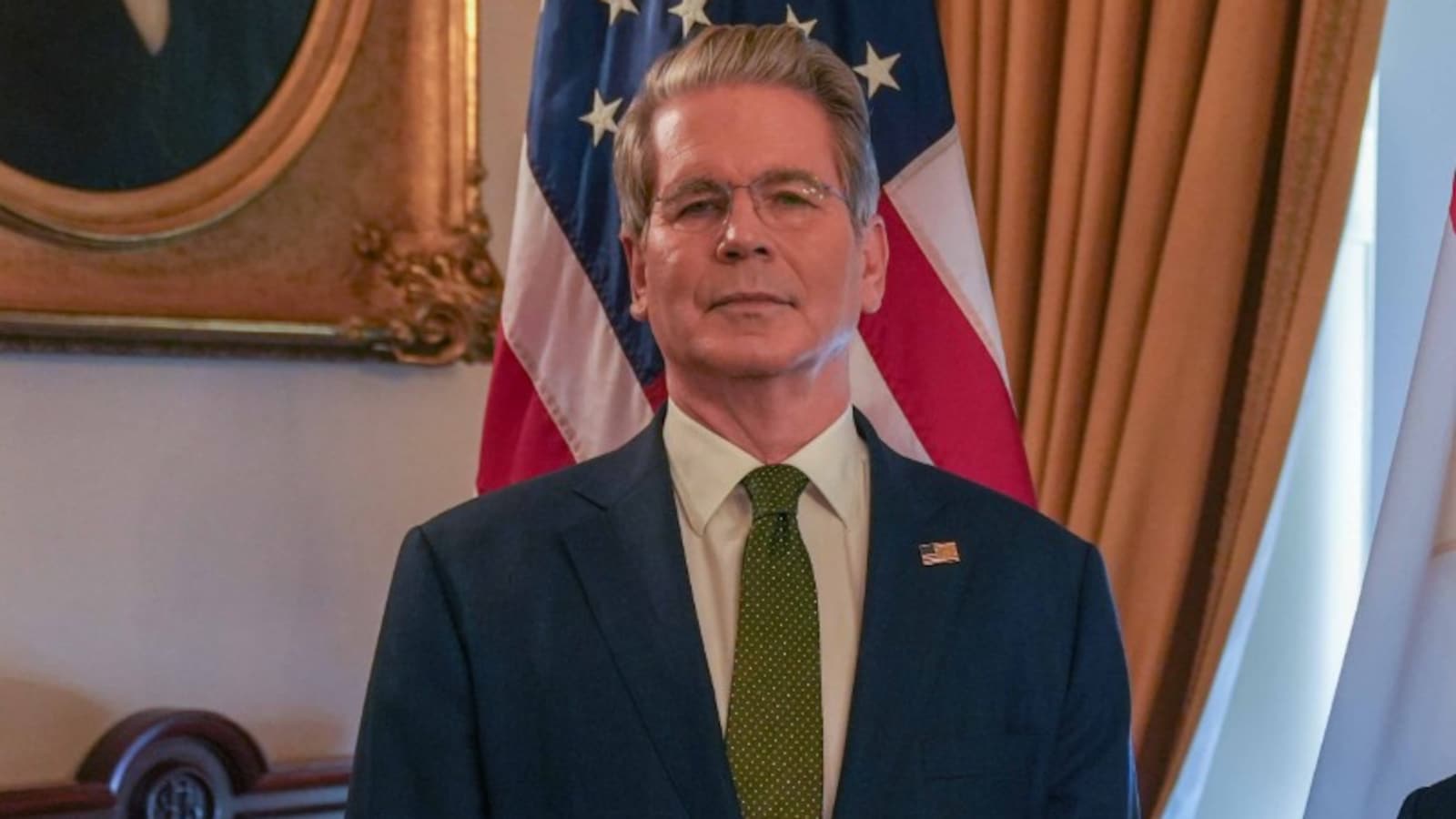
US Seeks G20 Support for Economic Pressure on Iran
Poland Delays Euro Adoption Amid Strong Economic Growth
Poland's Tusk Announces Cabinet Reshuffle Amid Declining Polls