

1 week ago
Madhya Pradesh Tap Water Coverage Falls Short Despite Jal Mission
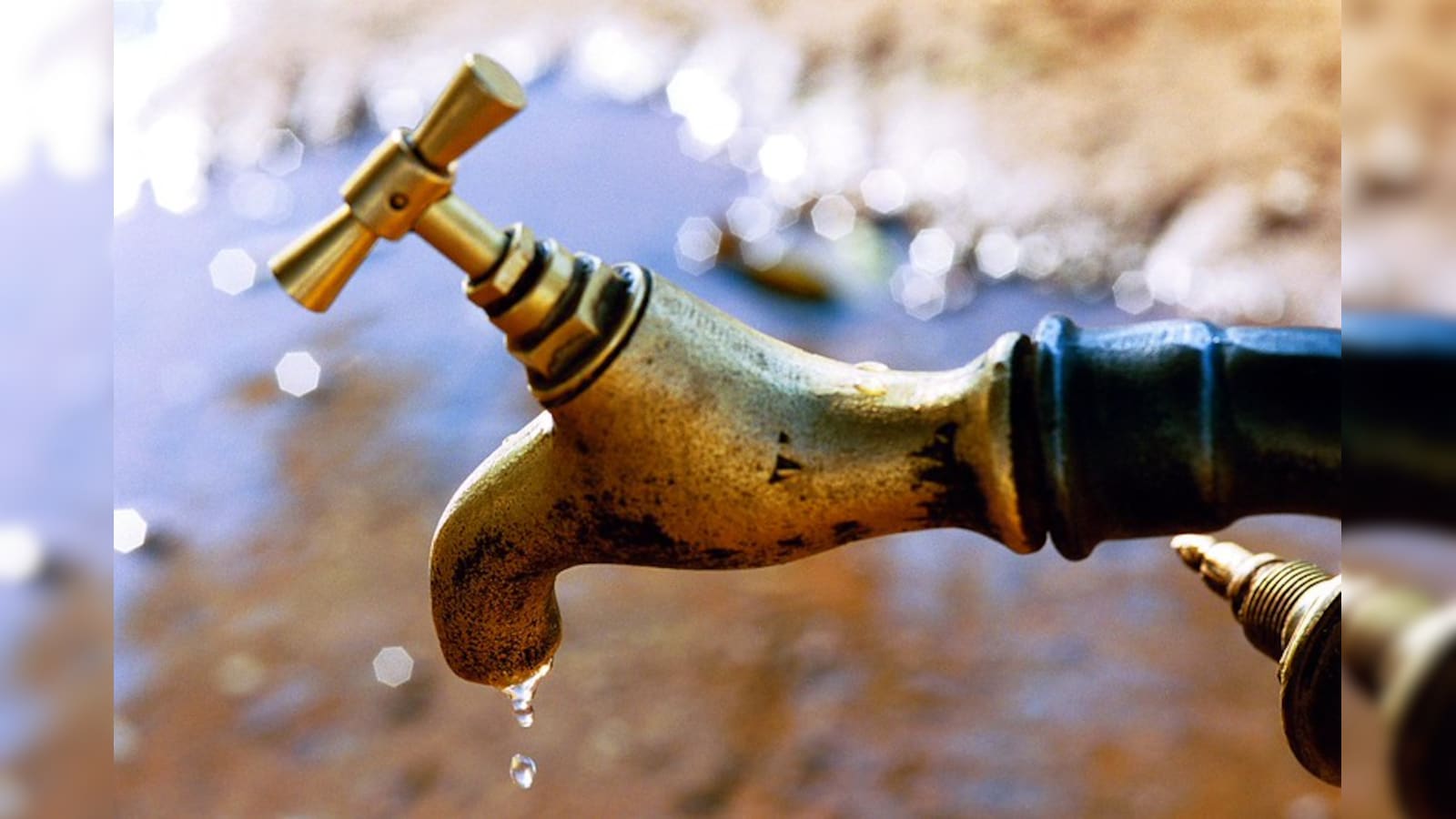
Madhya Pradesh is working to bring water pipes and taps to homes.
However, many taps do not yet provide enough water, regular water or safe drinking water.
In 23 of the state’s 55 districts, fewer than seven in 10 households have tap connections.
Together, those districts have almost 20 lakh households without a household tap connection.
Maihar has the lowest coverage among the districts listed.
The government says many water projects are still being built or completed.
A separate assessment said functional household connections worked in 77.21% of Madhya Pradesh households.
Another report found that only 63.3% of tested rural water samples passed quality tests.
This means having a tap installed does not always mean a family receives safe water every day.

Twenty-three of Madhya Pradesh’s 55 districts have household tap-water coverage below 70%.
The 23 districts contain nearly 49.5 lakh households, but only 29.56 lakh have tap connections.
Maihar has the lowest reported coverage at 40.2%, while Shivpuri has the largest absolute household gap.
The government attributes low coverage to multi-village schemes and other water projects still under implementation.
Separate assessments found concerns over tap functionality, water quantity, regular supply and drinking-water quality.
- Who
- Households in Madhya Pradesh, the state’s Public Health Engineering Department and the Union Ministry of Jal Shakti are central to the issue; Congress MP Vivek K Tankha sought related information in the Rajya Sabha.
- What
- Government data shows that 23 districts have less than 70% household tap-water coverage, alongside concerns about functionality, supply and water quality.
- Where
- Madhya Pradesh, including Maihar, Singrauli, Chhatarpur, Satna, Shivpuri, Bhopal and Sehore districts.
- When
- The parliamentary figures were reported alongside incidents and assessments from 2025 and January to March 2026.
- Why
- The government says several districts depend on multi-village schemes and other water-supply projects that remain under implementation; groundwater decline and water scarcity are also reported.
Government Progress and Explanation
Ground-Level Concerns
Tap-water coverage
Government Progress and Explanation
The government says Jal Jeevan Mission implementation has expanded household tap connections, with 77.21% of households assessed as having functional connections.
Ground-Level Concerns
The parliamentary figures show that 23 districts remain below 70% coverage, leaving nearly 20 lakh households in those districts without household tap connections.
Reasons for delays
Government Progress and Explanation
The Public Health Engineering Department attributes low coverage to multi-village schemes and other water-supply projects still at different stages of implementation or completion.
Ground-Level Concerns
Reports from villages describe dry or nonfunctional handpumps, irregular supply and taps that may exist without delivering water.
Water safety
Government Progress and Explanation
Madhya Pradesh has 155 water-quality testing laboratories, including facilities at sub-divisional, district and state levels.
Ground-Level Concerns
Only 63.3% of tested rural samples passed quality tests, and the state-level laboratory reportedly lacks facilities for testing chemical toxicity.
Key facts
- Districts below 70% coverage
- 23 of Madhya Pradesh’s 55 districts
- Households in those districts
- 49,49,461 households
- Households with tap connections
- 29,55,970, or about 60%
- Households without connections
- 19,93,491
- Lowest district coverage
- Maihar: 40.2%
- Largest absolute gap
- Shivpuri: 1,52,404 households outside coverage
- Water-testing infrastructure
- 155 laboratories: 103 sub-divisional, 51 district-level and one state-level
- Rural water-quality results
- 63.3% of tested samples in Madhya Pradesh passed, compared with a national average of 76%
Sources
Related news

IIT Kanpur Study Finds Rural Tap Water Improves Lives

Visakhapatnam civic chief Garg focuses on mitigating water scarcity
Jan Vishwas Campaign Hearings Spotlight Madhya Pradesh Civic Grievances

Madhya Pradesh: 15 pc rain deficit, 49 pc dam storage

Officials Visit Fluoride-Affected Rolugunta After Water Crisis Report

Four Children Die After Waterfall Visit in MP
Woman Rescued After Falling Between Train And Platform

Woman Allegedly Throws Boiling Water at Husband Over Scooter
CNG Prices Rise To ₹97.50 Per Kilogram In Bhopal
