

1 month ago
Zelensky Resolves Crisis by Reversing Military Leadership Changes
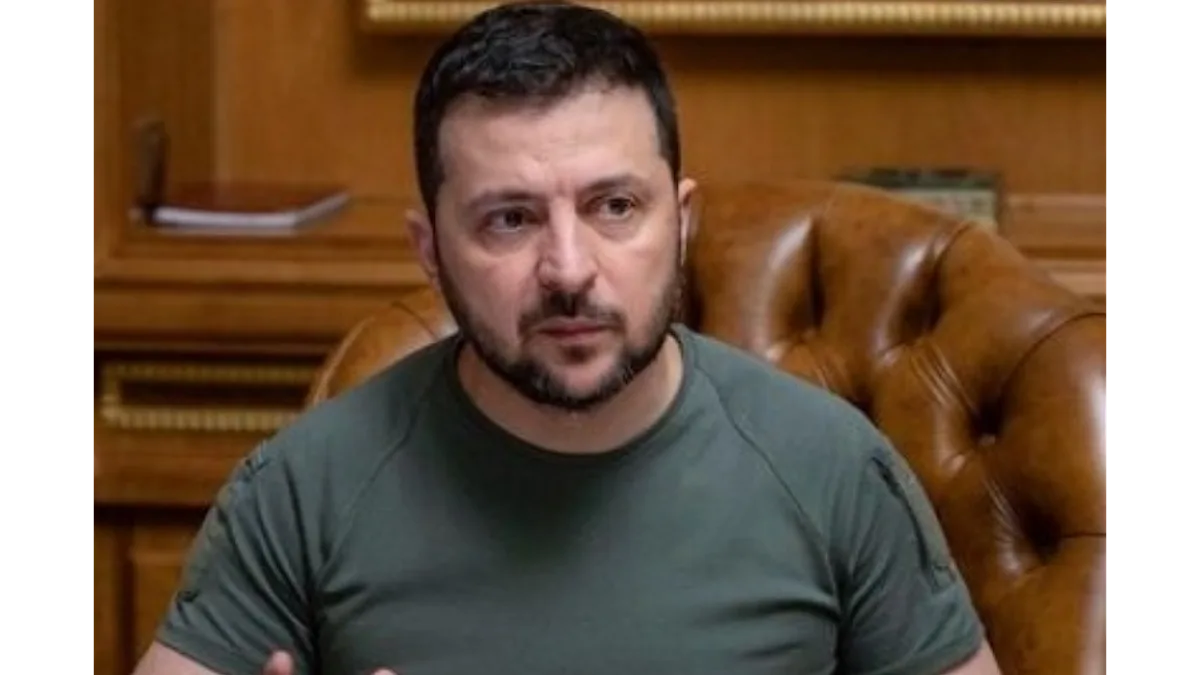
Ukrainian President Volodymyr Zelensky faced a big problem when he fired Defence Minister Mykhailo Fedorov, who was popular for his innovative ideas in fighting the war.
People protested, demanding Fedorov's return and the removal of the new army chief, Oleksandr Syrskyi.
Zelensky first chose Syrskyi, but the protests grew.
Eventually, Zelensky fired Syrskyi and appointed Mykhailo Drapatyi, a younger commander liked by the protesters.
Fedorov was also offered another job.
This shows that even in wartime, the public can influence big decisions.
The change aims to bring new ideas and better strategies to the military, but there are still many challenges ahead.

Ukrainian President Volodymyr Zelensky resolved a political crisis by reversing his decision to dismiss Defence Minister Mykhailo Fedorov and appointing Mykhailo Drapatyi as the new Commander-in-Chief.
Protests erupted after Zelensky initially chose Oleksandr Syrskyi as the new Commander-in-Chief, leading to widespread public dissent.
Fedorov symbolized innovation in military strategy, while Syrskyi represented traditional, hierarchical military culture.
The protests demonstrated the public's influence on presidential decisions, highlighting the importance of political accountability even in wartime.
Drapatyi's appointment aims to bring reform and adaptability to the military, but significant challenges such as personnel shortages and procurement weaknesses remain.
- Who
- Ukrainian President Volodymyr Zelensky, Commander-in-Chief Oleksandr Syrskyi, Defence Minister Mykhailo Fedorov, and new Commander-in-Chief Mykhailo Drapatyi
- What
- A political crisis resolved by reversing military leadership changes
- Where
- Ukraine
- When
- After days of protests
- Why
- To address public dissent and push for military reform
Reform Advocates
Traditional Military Leadership
Military Strategy
Reform Advocates
Advocate for innovation, drones, AI, and faster procurement to overcome Russia's advantages.
Traditional Military Leadership
Represent an older, hierarchical military culture associated with Soviet doctrine and costly battlefield methods.
Leadership Style
Reform Advocates
Support younger, reform-minded commanders like Mykhailo Drapatyi who emphasize personal accountability and adaptability.
Traditional Military Leadership
Prefer established commanders like Oleksandr Syrskyi, who have a distinguished track record but are seen as resistant to reform.
Key facts
- President
- Volodymyr Zelensky
- Former Commander-in-Chief
- Oleksandr Syrskyi
- New Commander-in-Chief
- Mykhailo Drapatyi
- Former Defence Minister
- Mykhailo Fedorov
- Key Issue
- Military reform and public dissent
- Public Reaction
- Protests and demonstrations
- Democratic Dimension
- Public influence on presidential decisions
- Challenges Ahead
- Personnel shortages, procurement weaknesses, corruption risks, and dependence on Western support
Sources
Related news
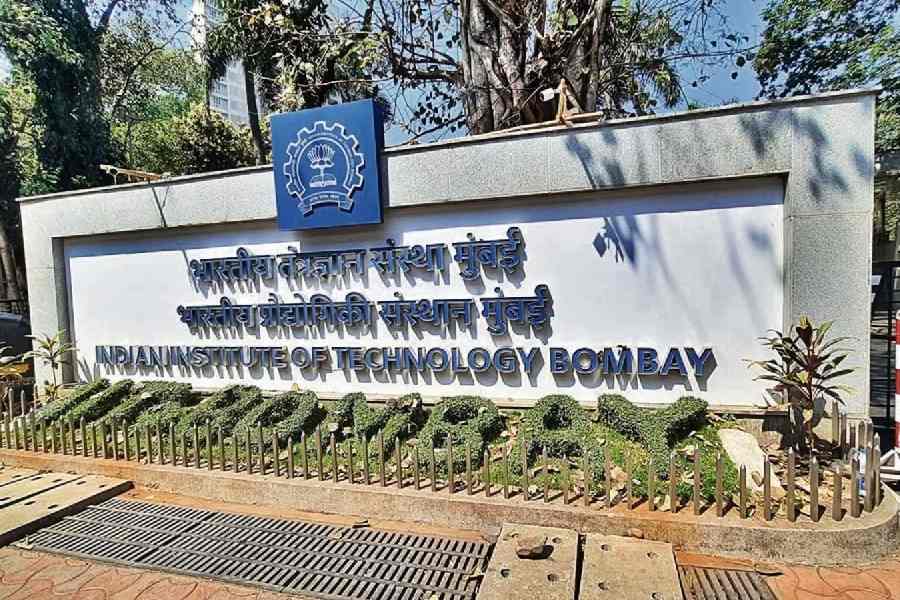
IIT Bombay Launches E-PG Diploma In Computer Science And AI

McGilchrist’s Demanding Book Challenges How Readers Understand Reality
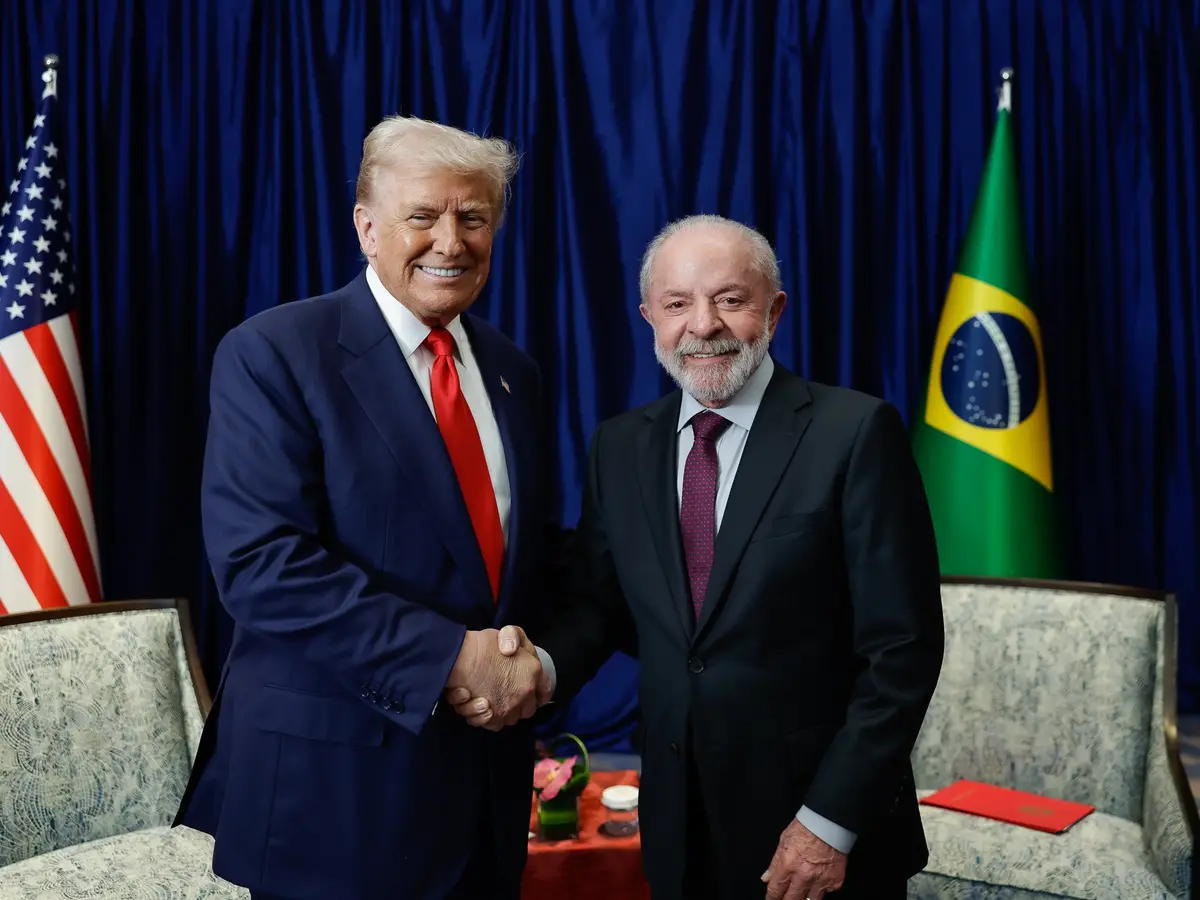
Brazil Activates Reciprocity Law in Response to Trump Tariffs
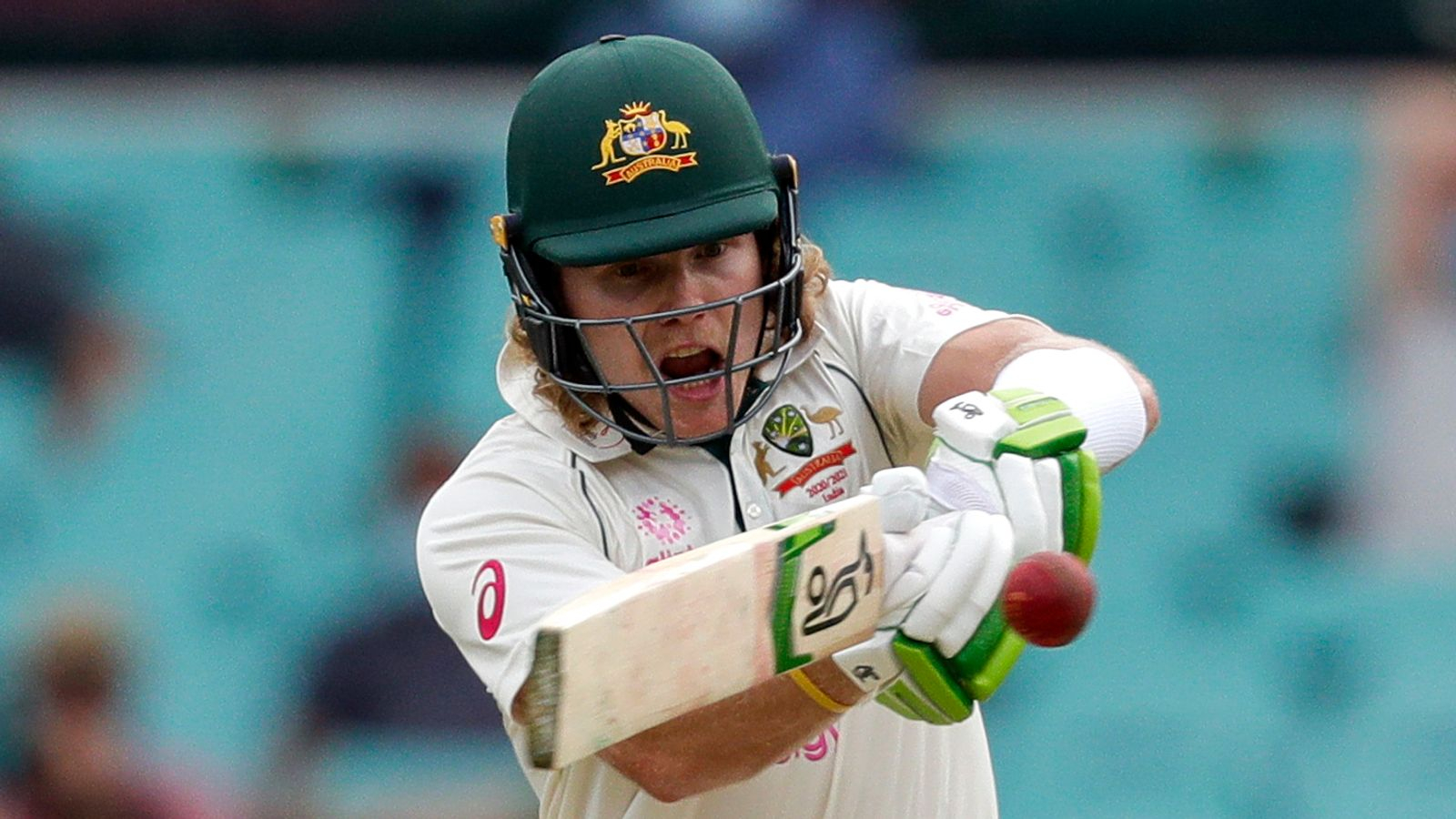
Will Pucovski Sues Brighton Grammar Over Concussion Handling
Ukraine’s Defence Chief Seeks Early EU Loan Amid War Gap

Ukraine anti-corruption probe precedes pivotal defence minister vote
Ousted Ukrainian Defence Minister Challenges Zelenskyy With Wartime Election Call

Ukrainian Commander Resigns Amid Military Reform Debate