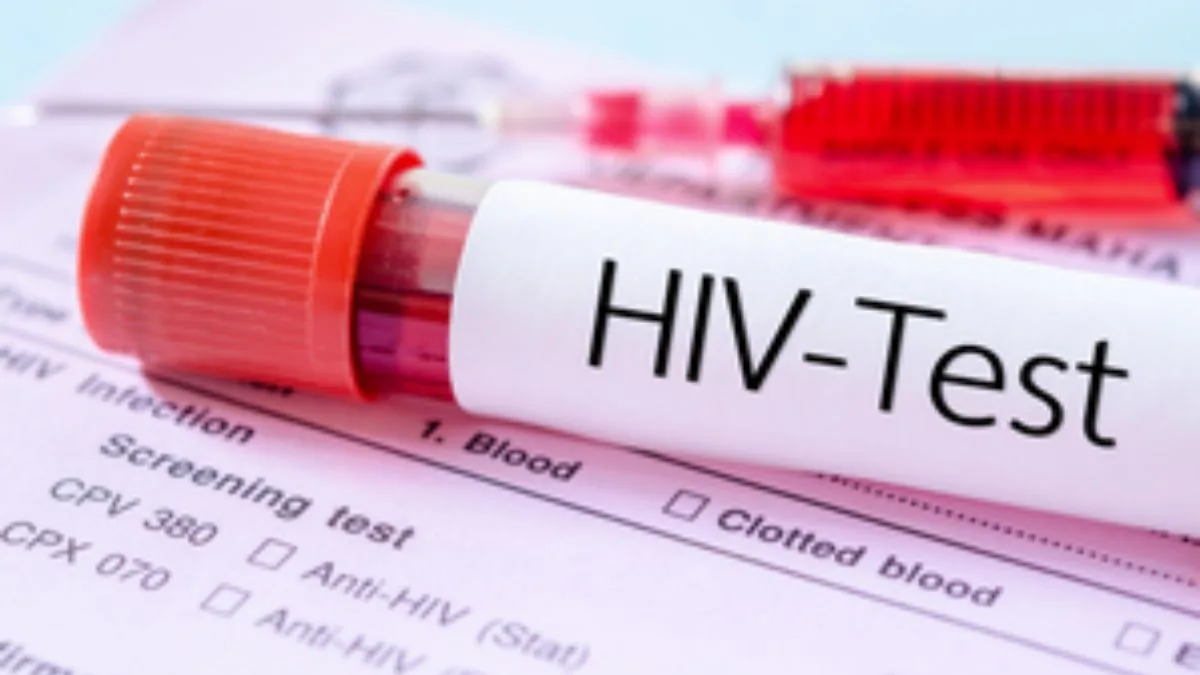
1 hr ago
Fiji Declares HIV National Crisis as Diagnoses Surge

Fiji says HIV has become a serious national crisis.
HIV is a virus that can make people very sick without treatment.
The government said 2,016 people were diagnosed in 2025.
UNAIDS estimates that about 9,100 people in Fiji were living with HIV last year.
Many people did not know they had the virus or were not receiving medicine.
Some infections were linked to sex, while many others were linked to injecting drugs.
Fifty-nine babies were reported to have been born with HIV, and 18 died before their first birthday.
Fiji plans to offer more testing, medicine, treatment, and services to help prevent infections.
Officials say these services should be free, voluntary, confidential, and available across the country.

Fiji declared HIV a national crisis after new diagnoses rose 27% last year.
The government said 2,016 people were diagnosed with HIV in 2025.
UNAIDS estimates 9,100 Fijians were living with HIV last year, but only 39% knew their status.
Fifty-nine babies were reportedly born with HIV last year, and 18 died before turning one.
Fiji plans to expand confidential testing, prevention medicines, treatment, and needle-and-syringe services.
- Who
- The Government of Fiji, UNAIDS, and people living with or at risk of HIV in Fiji.
- What
- Fiji declared HIV a national crisis after diagnoses increased and an estimated 9,100 people were living with the virus.
- Where
- Fiji, a Pacific island nation of about 900,000 people.
- When
- The government said 2,016 people were diagnosed in 2025; the article also reports figures from last year.
- Why
- Authorities cited a sharp rise in diagnoses and concern that HIV is spreading more widely through the population.
Government and public-health response
Concerns about the crisis and response
What drove the increase?
Government and public-health response
Authorities said expanded testing helped uncover infections and allowed people to begin treatment earlier.
Concerns about the crisis and response
The 27% rise in new diagnoses has intensified concern that HIV, once concentrated among people who inject drugs, is spreading more widely through Fiji.
How should Fiji respond?
Government and public-health response
The government plans to expand free, voluntary, confidential testing, prevention medicines, treatment, and harm-reduction services, including needle-and-syringe programmes and PrEP.
Concerns about the crisis and response
UNAIDS figures indicate substantial gaps remain: only 39% of people living with HIV knew their status and 22% were receiving antiretroviral treatment last year.
Public-health significance
Government and public-health response
UNAIDS Executive Director Winnie Byanyima said Fiji recognized the urgency and was strengthening its response.
Concerns about the crisis and response
UNAIDS described Fiji as experiencing one of the world's sharpest rises in new infections and said the situation shows that AIDS remains a global concern.
Key facts
- New diagnoses
- 2,016 people were diagnosed with HIV in 2025, according to the government.
- Increase
- New diagnoses climbed 27% last year.
- Estimated people living with HIV
- UNAIDS estimates 9,100 Fijians were living with HIV last year.
- Status awareness
- An estimated 39% of people living with HIV knew their status.
- Treatment coverage
- An estimated 22% were receiving antiretroviral treatment.
- Infant health figures
- Fifty-nine babies were born with HIV last year, and 18 died before their first birthday.
- Transmission routes
- Among cases with a known route, more than half were linked to sexual transmission and over 42% to injecting drug use.
Quotes

Winnie Byanyima
Executive Director of UNAIDS
“Fiji has recognized the urgency of the moment and is stepping up its response. It is also a stark reminder to the world that AIDS is not over.”
 theprint.in
Sources
Related news
Meghalaya HIV Prevalence Twice National Average, CM Says
Students Urged to Assess HIV Risk and Testing Needs
Leptospirosis Cases Rise in Manila After Widespread Flooding
Ebola Outbreak in Congo Grows Exponentially as Deaths Top 2,500
Bangladesh Faces Severe Measles Epidemic As Cases Top 166,000

Mumbai Malaria Cases Rise as Dangerous P. falciparum Share Doubles
HIV funding drop risks epidemic resurgence, UNAIDS warns
UNAIDS Wind-Down Raises Concerns Over 2030 AIDS-Free Goal

UN Warns of HIV Funding Crisis

UN Proposes Closing UNAIDS by 2026 Due to Funding Cuts