1 year ago
Meghalaya Mulls Premarital HIV Testing as AIDS Crisis Deepens
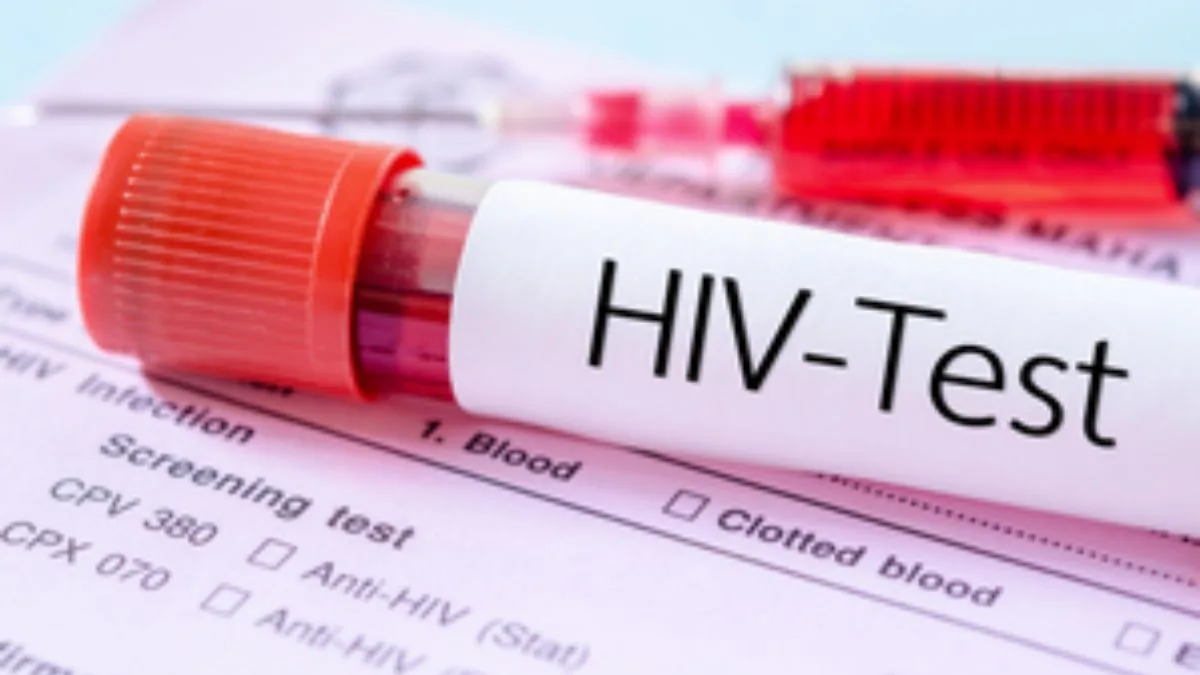
In Meghalaya, there's a serious problem with HIV/AIDS, which is like a disease spreading quickly.
The government is thinking about making people get tested for HIV before they get married.
This is because many people are getting infected, especially in certain areas.
The Health Minister says it's a big emergency.
Some people worry that mandatory testing could make things worse by making people scared or ashamed.
But the government wants to act fast to help those who are sick and stop the disease from spreading.

Meghalaya Health Minister warns of a 'full-blown epidemic' of HIV/AIDS in the state, particularly in Jaiñtia Hills.
The state government is considering mandatory premarital HIV testing to address the crisis.
Meghalaya ranks sixth nationally in HIV/AIDS prevalence, with East and West Jaiñtia Hills as hotspots.
In East Khasi Hills, HIV/AIDS cases have more than doubled to 3,432, with 159 deaths linked to lack of ART.
Global health bodies like UNAIDS and WHO oppose mandatory testing due to concerns about informed consent and stigma.
- Who
- Meghalaya Health Minister Dr. Ampareen Lyngdoh and the state government.
- What
- Meghalaya is considering mandatory premarital HIV testing amid a growing HIV/AIDS epidemic.
- Where
- Meghalaya, particularly in Jaiñtia Hills and East Khasi Hills.
- When
- Currently, as the government is formulating strategies.
- Why
- To protect the community and address the rising HIV/AIDS cases.
Health Department
Global Health Bodies (UNAIDS & WHO)
Mandatory Testing
Health Department
Emphasizes urgent action due to the hidden nature of the epidemic and the need for early diagnosis.
Global Health Bodies (UNAIDS & WHO)
Focuses on violating informed consent and potentially increasing stigma.
Key facts
- State
- Meghalaya
- Issue
- HIV/AIDS
- National Ranking
- Sixth in HIV/AIDS prevalence
- Hotspots
- East and West Jaiñtia Hills
- East Khasi Hills cases
- 3,432
- Deaths in East Khasi Hills
- 159
- Concerned bodies
- UNAIDS and WHO