

7 months ago
Indian Storytelling Redefining Global Hero-Villain Narratives
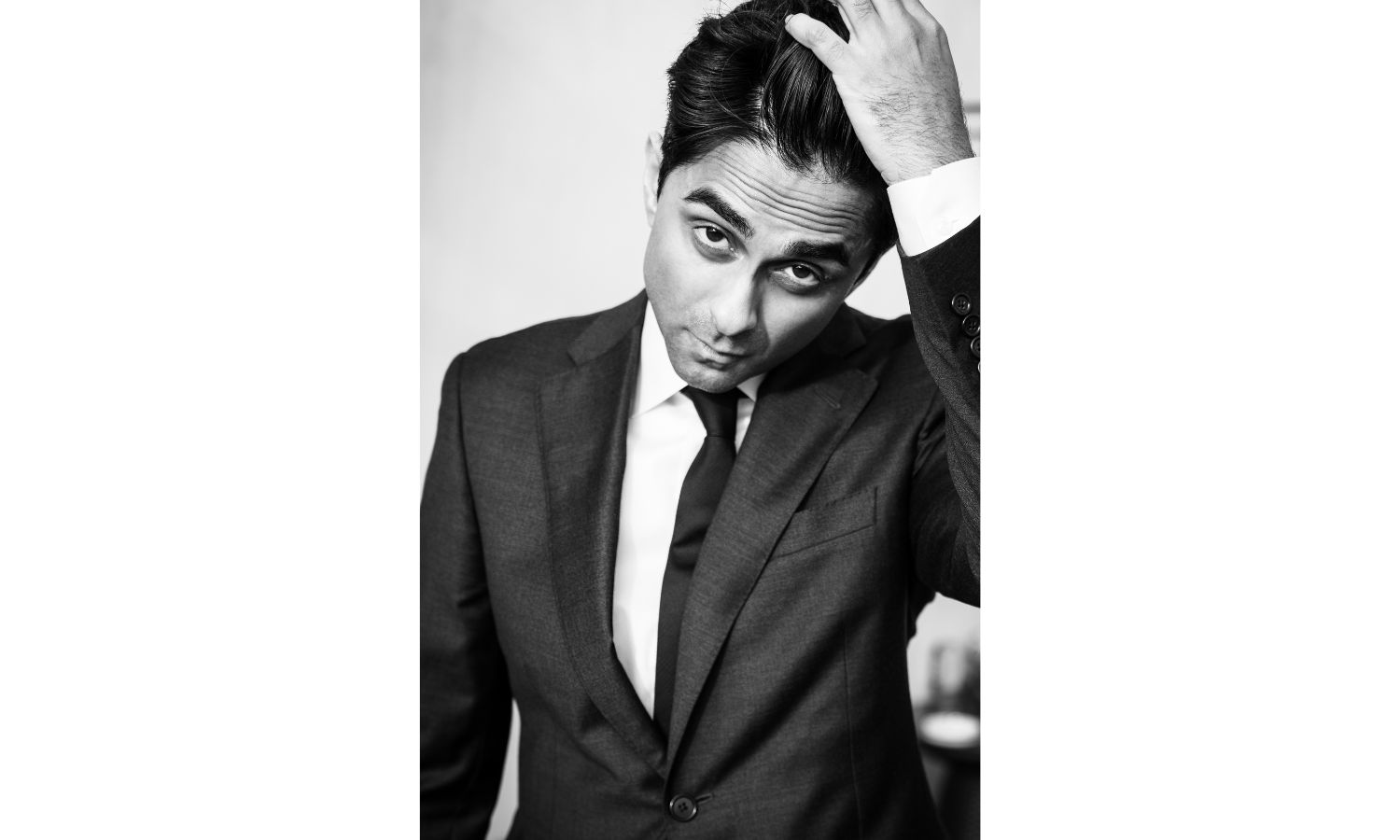
Shankar, a creative professional, talks about how Indian storytelling is different from Western stories.
In the West, stories are often about good guys versus bad guys.
But in Indian traditions, stories are more complex.
They ask why the villain is bad and what happened to them.
Shankar uses this approach in his work, like in 'Devil May Cry,' where he shows the villain's perspective.
He believes this makes stories more interesting and relatable.
He also talks about how he broke into Hollywood and his goal to bring adult animation to America, which he did with 'Castlevania.'
Shankar values hard work and collaboration, doing many drafts to get the story right.
He thinks the best stories come from understanding different perspectives and not just being clever for the sake of it.

Shankar's storytelling shifts from Western good vs. evil to Indian multi-perspective narratives.
Indian traditions complicate the hero-villain binary by exploring the villain's backstory.
Shankar's work, like 'Devil May Cry,' centers the antagonist's perspective to evoke empathy.
He believes in celebrating infinite perspectives and condemning narrow-mindedness.
Shankar's goal with 'Castlevania' was to bring adult animation to America, reshaping Western perceptions.
- Who
- Shankar, a creative professional in Hollywood
- What
- Shankar's approach to storytelling and its cultural impact
- Where
- Hollywood and global context
- When
- Present day, reflecting on past and current work
- Why
- To explore the shift in storytelling from good vs. evil to complex, multi-perspective narratives
Key facts
- Primary Focus
- Shankar's approach to storytelling
- Key Difference
- Indian vs. Western storytelling traditions
- Notable Work
- Devil May Cry and Castlevania
- Cultural Influence
- Celebrates infinite perspectives
- Creative Process
- 20-25 drafts for tight storytelling
- Platform
- Netflix
- Global Appeal
- Universal themes in Devil May Cry
- Animation Goal
- Bringing adult animation to America
Quotes
Shankar
A creative professional discussing his work and philosophy.
“The world has changed so much. Reality is shifting. Paradigm shifting on a daily basis. When things are changing, it’s natural to look back at your past and go, ‘Oh man, I remember the world differently.’ And so much of my past is rooted in India.”
 deccanchronicle.com
“Two-thirds of the way through the story, I zoom out and put you in the perspective of the villain. You see how they never really had a shot. They were a victim of the life they were born into. You are supposed to feel bad for the villain.”
deccanchronicle.com
Sources
Related news
Netflix Unveils Title and Release Plans for Cliff Booth Spinoff

Andrew Garfield Says He Often Considers Leaving Hollywood

After Hayden Panettiere’s Death, Memoir Gains Haunting Meaning
Hollywood Abandons Body Positivity as Thinness Returns to Fashion

Priyanka Chopra was no overnight success, says manager Anjula Acharia
