

1 hr ago
Long-Term 9/11 Memories Remain Vivid but Often Inaccurate

Scientists studied how people remember learning about the 9/11 attacks.
They asked thousands of people what they were doing, where they were, and who was with them.
The researchers asked the same people again after one, three, and 10 years, and are now asking again after 25 years.
After just one year, about 40% of the details had changed.
People were still very sure that their memories were correct.
Some memories that were wrong became fixed and stayed the same later.
Scientists say memories are rebuilt over time rather than stored like photographs.
Sharing emotional memories with other people can make us feel more certain, even when some details are mistaken.

Researchers have tracked thousands of people’s memories of learning about the 9/11 attacks for 25 years.
About 40% of reported details differed from accounts given just days after the attacks.
People remained highly confident in memories that later proved inconsistent.
Many memory errors became stable after the first year and persisted in later assessments.
Researchers say emotional importance and repeated social discussion can strengthen confidence without ensuring accuracy.
- Who
- Psychologists and memory researchers, together with thousands of volunteers across the United States.
- What
- A 25-year study found that people’s detailed memories of how they learned about the 9/11 attacks often changed while their confidence remained high.
- Where
- Across the United States.
- When
- The study began days after Sept. 11, 2001, with follow-ups after one, three, and 10 years and another assessment around the 25th anniversary.
- Why
- Researchers sought to understand flashbulb memories and found that emotional experiences and repeated social discussion can increase confidence without guaranteeing factual accuracy.
Key facts
- Study duration
- Nearly 25 years, beginning days after the attacks
- Participants
- A few thousand people across the United States
- Follow-ups
- After one, three, and 10 years, with another collection after 25 years
- Changed details
- About 40% differed from participants’ initial accounts after one year
- Confidence
- Participants remained highly confident even when details were inconsistent
- Memory pattern
- Many inaccurate memories became stable after the first year
- Researchers’ explanation
- Memory is reconstructive, and emotional events shared socially can produce strong confidence
Sources
Related news
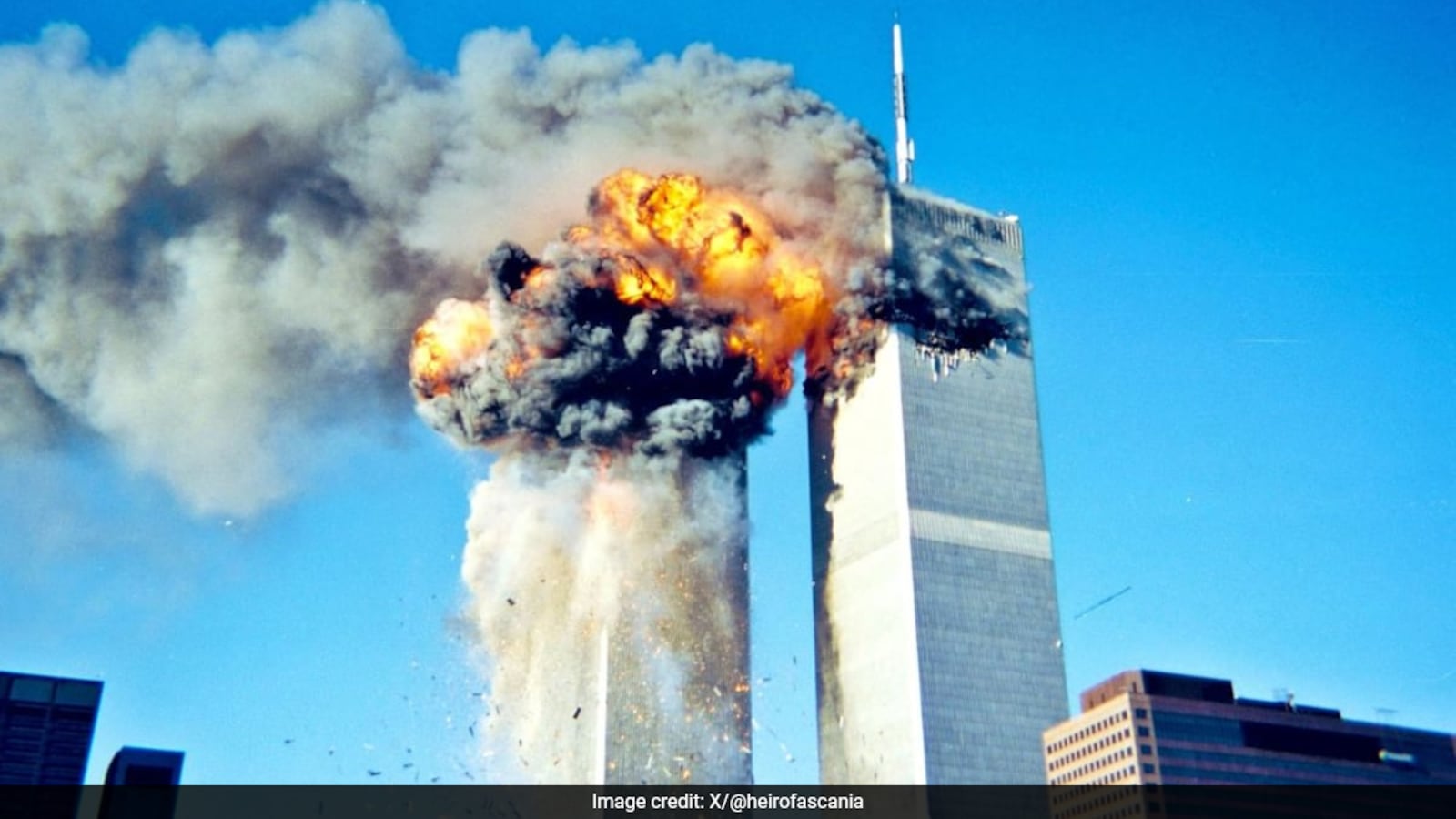
Why 9/11 Memories Feel Vivid Yet Remain Fallible
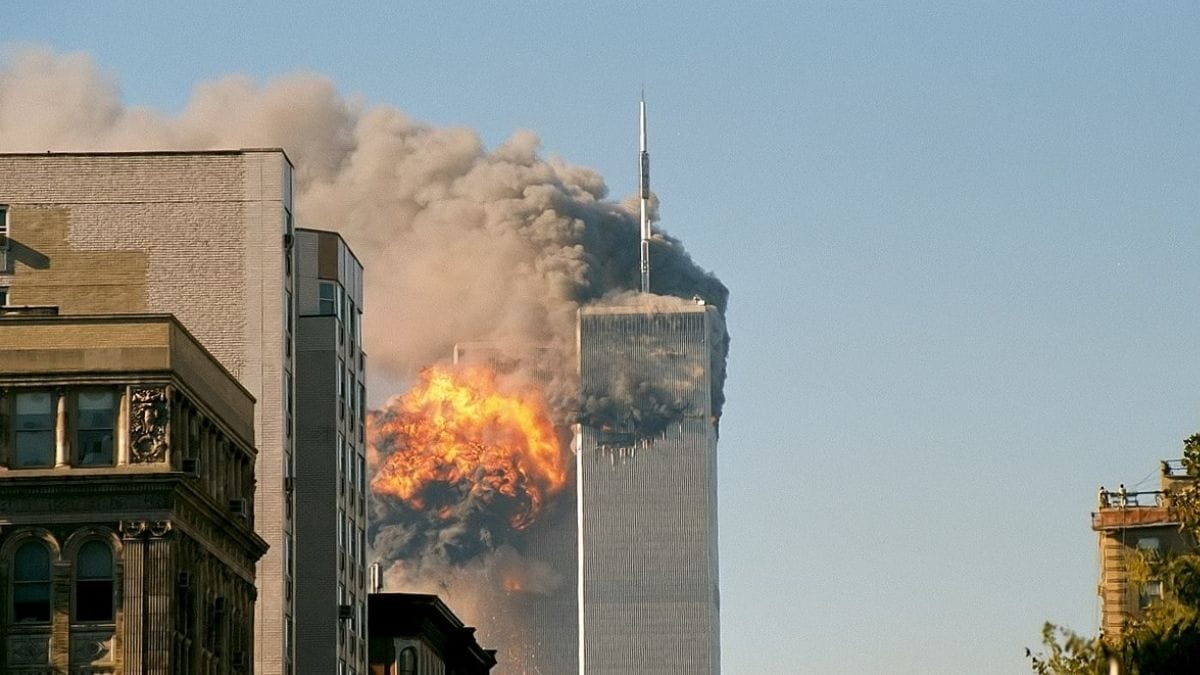
Twenty-Five Years Later, 9/11 Remains Vivid for Americans

25 Years After 9/11, America Weighs What It Learned

US Marks 25 Years Since 9/11, Remembering Its Lasting Consequences

Americans Commemorate 25th Anniversary of 9/11 Attacks
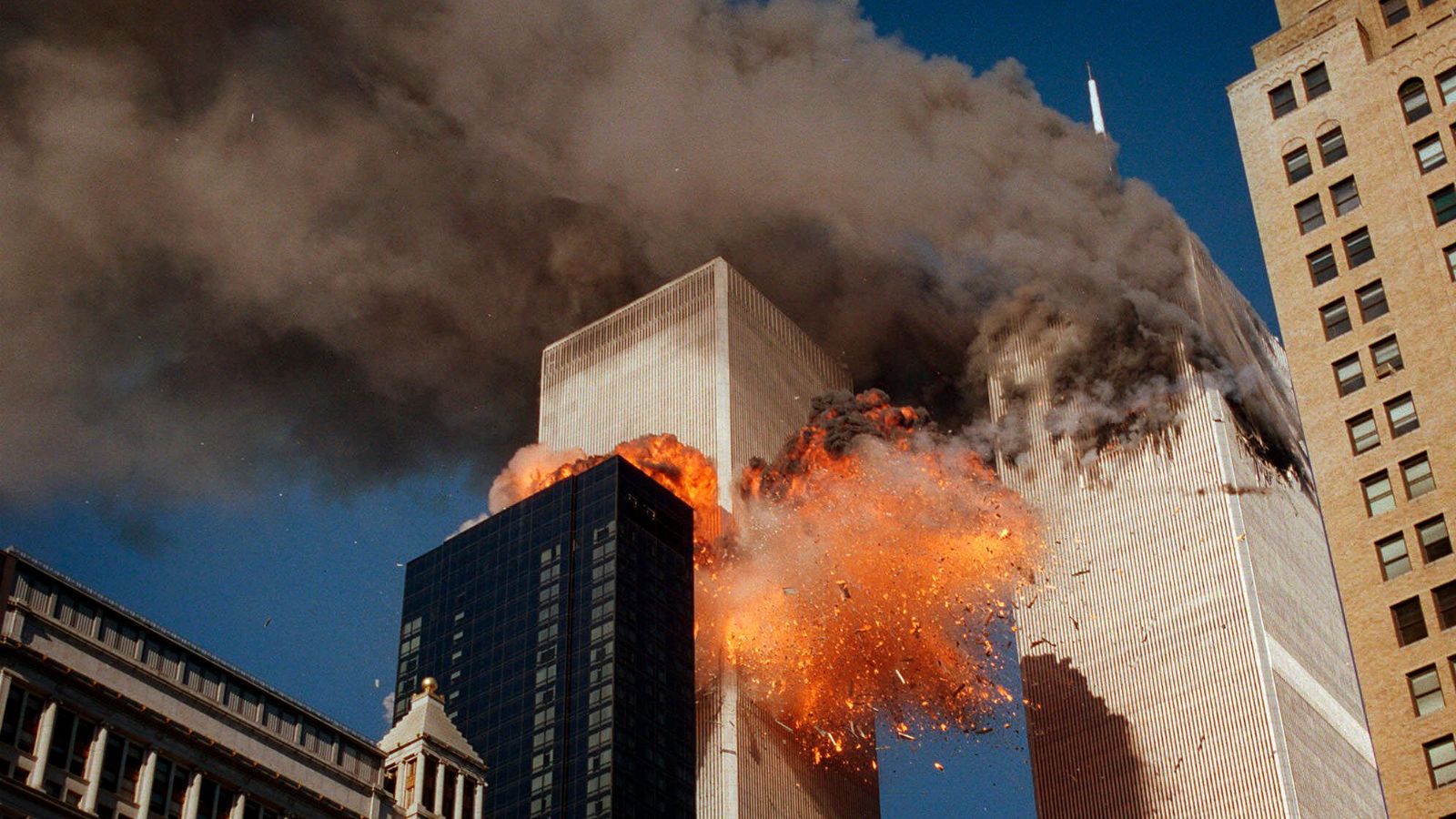
25 Years After 9/11, America Still Bears Its Response
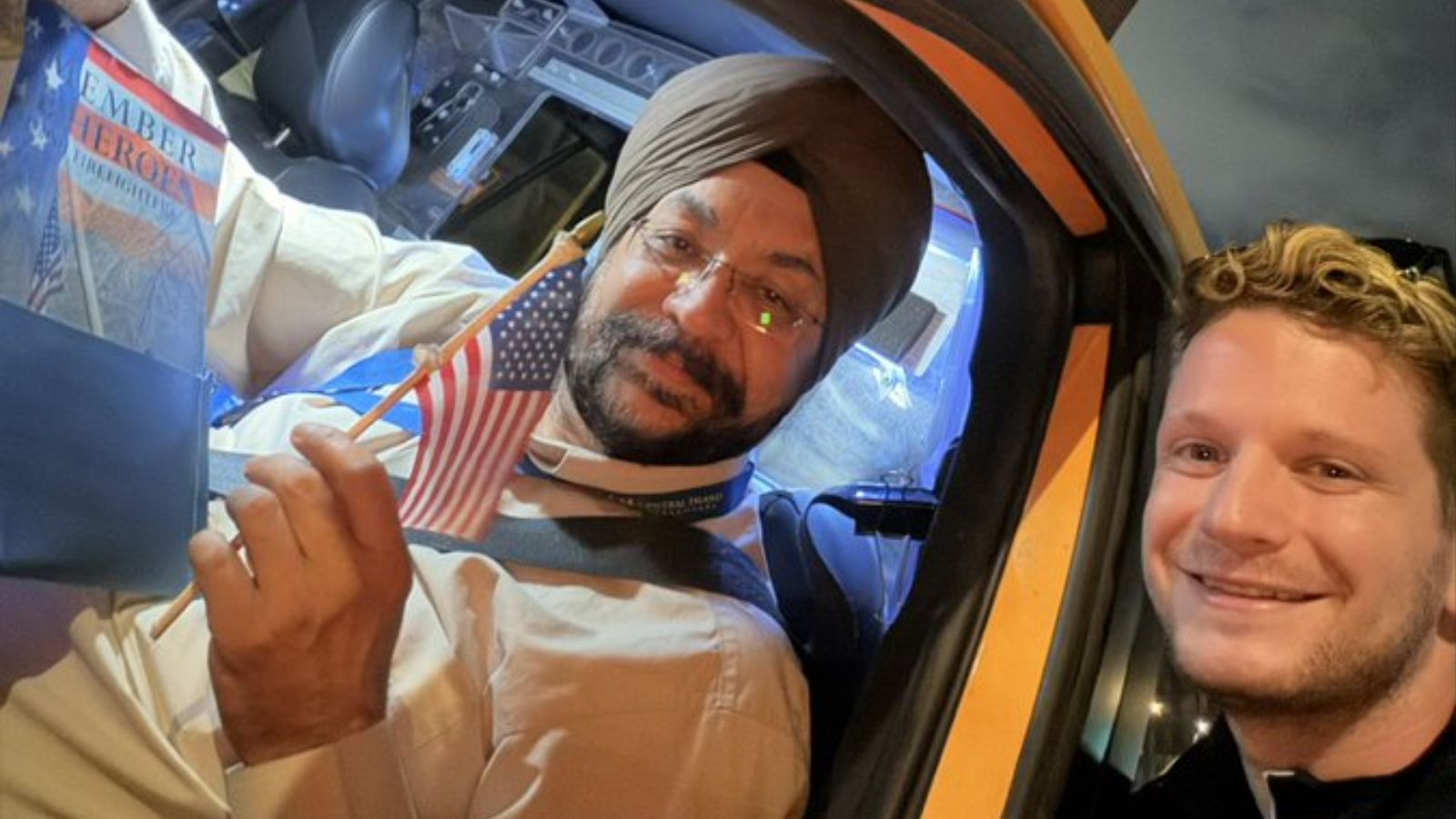
Taxi Driver’s 9/11 Service Story Goes Viral 25 Years Later

US Airport Security Rules Shift 25 Years After 9/11

Editorial Examines 9/11’s Lasting Legacy of Fear
