1 day ago
South Africa Rejects U.S. Visa Curbs, Defends Domestic Policies
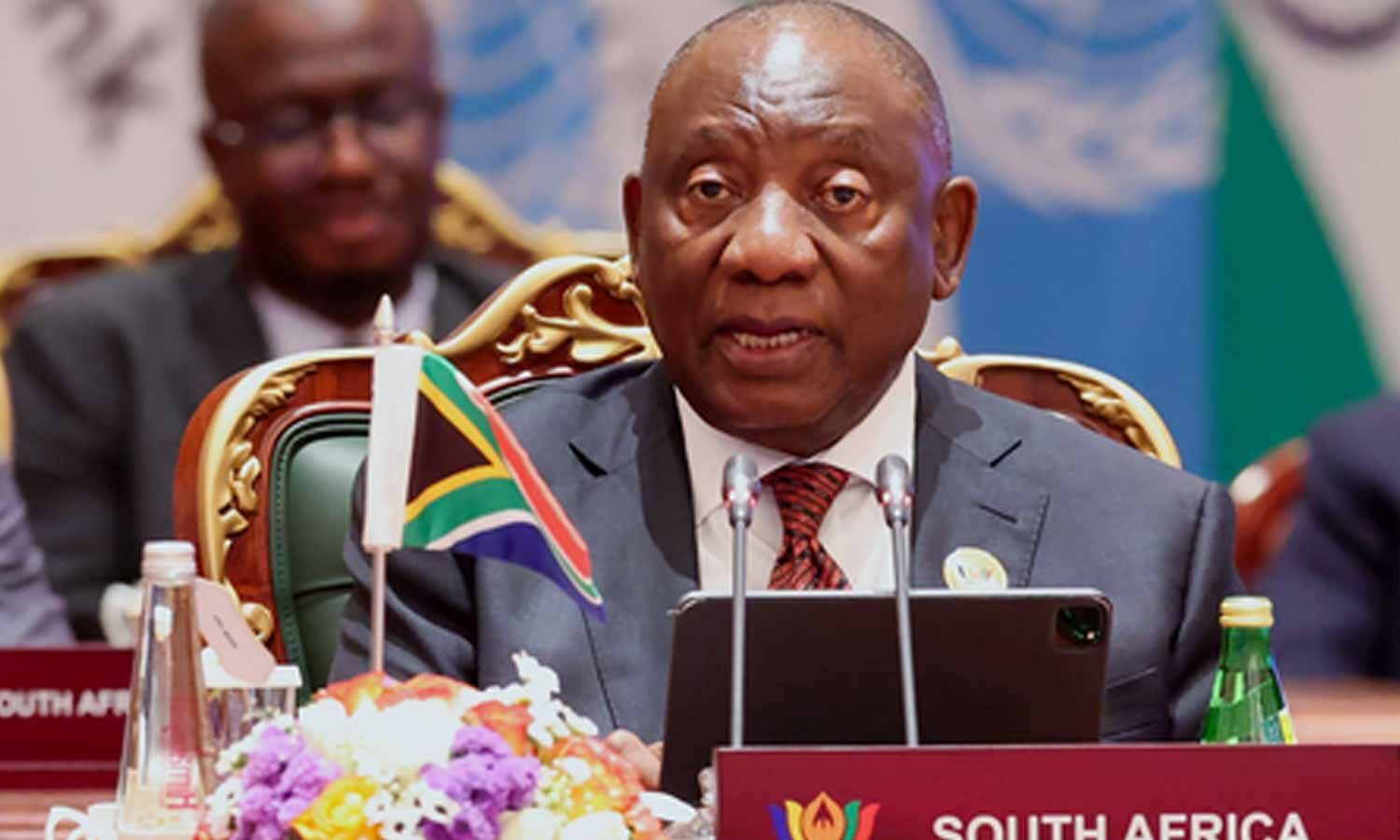
The United States announced visa restrictions for some South African officials.
The restrictions were linked to U.S. accusations of race-based discrimination in South Africa.
The United States mentioned concerns about Afrikaners and other minority groups.
South Africa rejected the accusations and said its policies were being described inaccurately.
South African officials said their sovereignty, democracy, and Constitution should be respected.
They said disagreements should be solved through talks between the two governments.
South Africa also said it was working through its own laws and democratic institutions to build a more equal society.
The report did not identify exactly who would face the restrictions.
The U.S. ambassador warned that more measures could follow.

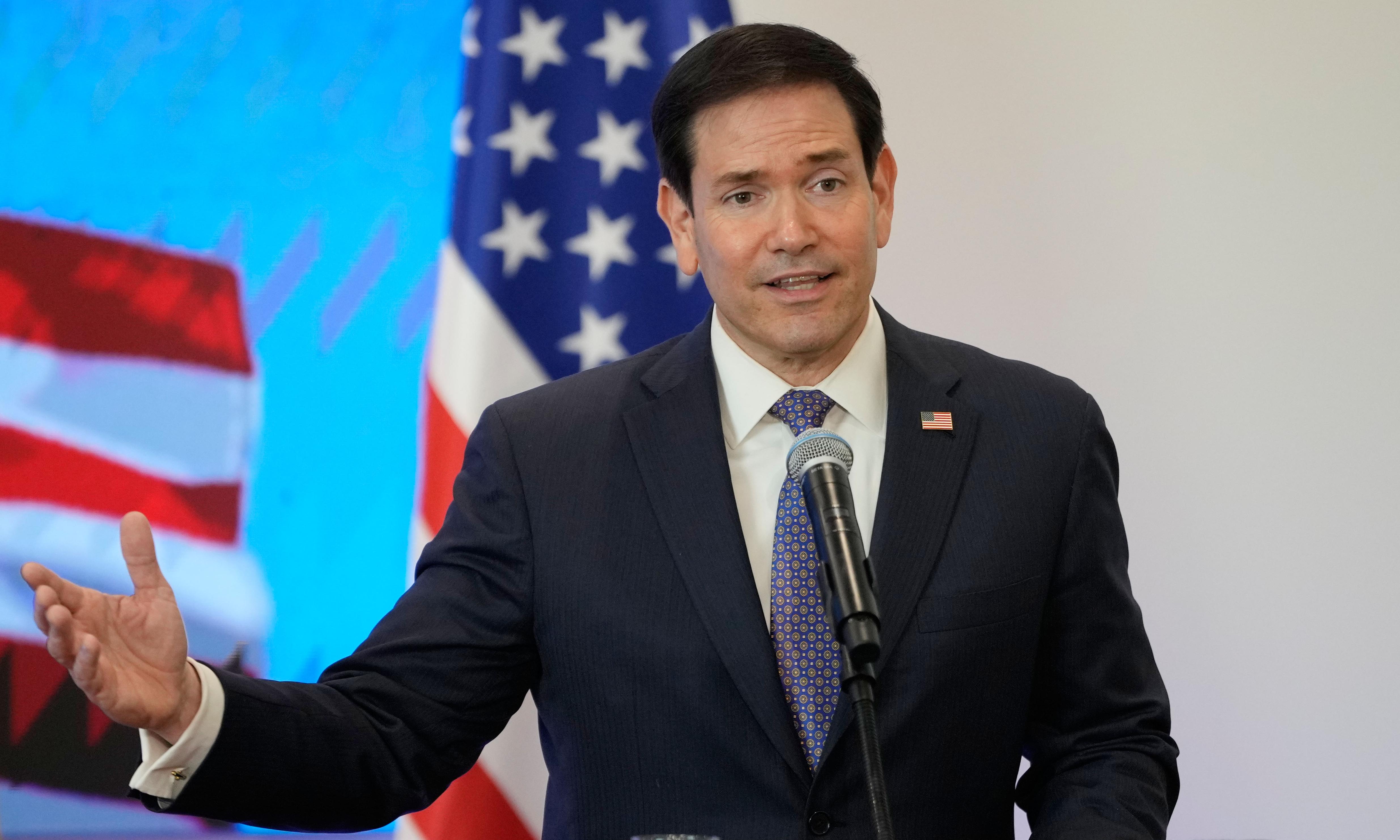
South Africa said it was concerned about U.S. visa restrictions announced by Secretary of State Marco Rubio.
The restrictions target South African officials allegedly involved in race-based discrimination, though specific individuals were not identified.
South Africa said its policies had been mischaracterized by fringe groups and called for diplomatic engagement instead of unilateral action.
The United States cited alleged discrimination against Afrikaners and other minorities, including legislation and land-expropriation concerns.
The U.S. ambassador said the visa restrictions were the first step in a series of escalating measures.
- Who
- The governments of South Africa and the United States, including Ronald Lamola, Marco Rubio, Donald Trump, and the U.S. ambassador to South Africa.
- What
- The United States imposed visa restrictions on some South African officials, while South Africa rejected the accusations and defended its domestic policies.
- Where
- The dispute concerns relations between South Africa and the United States, with South Africa’s statement issued in Johannesburg.
- When
- Marco Rubio announced the restrictions on Tuesday; South Africa responded on Wednesday, September 16.
- Why
- The United States cited alleged race-based discrimination against Afrikaners and other minority groups, while South Africa said its policies had been mischaracterized.
South Africa’s Position
United States’ Position
Characterization of domestic policies
South Africa’s Position
South Africa said fringe groups had mischaracterized its domestic policies and rejected claims that it was confiscating land or mistreating certain classes of people.
United States’ Position
The United States said South Africa was engaging in government-sponsored discrimination and racially motivated crime against Afrikaners and other minority populations.
Handling bilateral disagreements
South Africa’s Position
South Africa said disputes should be resolved through constructive engagement between state actors and through constitutional and democratic processes, rather than unilateral actions.
United States’ Position
The United States announced visa restrictions against alleged offenders, and its ambassador indicated that further escalating measures could follow.
Land and race-based legislation
South Africa’s Position
South Africa said its policies aim to address inequality that has persisted since apartheid and to build a more equal and inclusive society.
United States’ Position
The United States cited race-based discriminatory legislation and threats of land expropriation without compensation as reasons for its concerns.
Key facts
- Announcing official
- U.S. Secretary of State Marco Rubio announced the visa restrictions.
- Affected people
- South African officials allegedly involved in race-based discrimination; specific individuals were not identified.
- South African response
- The foreign ministry said it noted the restrictions with concern and rejected the characterization of its policies.
- South African position
- Ronald Lamola said South Africa’s sovereignty, democracy, Constitution, and rule of law should be respected.
- U.S. concerns
- The United States cited alleged discrimination against Afrikaners and other minorities, race-based legislation, land expropriation without compensation, and chants or slogans it said incited racial violence.
- Potential next steps
- The U.S. ambassador said the visa restrictions were the first step in a series of escalating measures.
- Earlier U.S. action
- In February 2025, Donald Trump ordered the U.S. government to facilitate the resettlement of Afrikaners from South Africa as refugees, citing alleged discrimination and persecution.
Quotes

South Africa’s foreign ministry
South Africa’s government department responsible for foreign affairs
“We remain committed to addressing these challenges through our constitutional institutions, democratic processes and the rule of law, with the objective of building a more equal and inclusive society for all South Africans.”
 thehansindia.com
“We maintain that challenges in our bilateral relations with the United States can only be resolved by constructive engagement through state actors on both sides of the diplomatic channel, not unilateral acts.”
 theprint.in
thehansindia.com
theprint.in
thehansindia.com

Marco Rubio
US Secretary of State
“The United States remains gravely concerned about racially motivated crime and government-sponsored discrimination occurring against the Afrikaners and other minority populations in South Africa, including race-based discriminatory legislation, threats of land expropriation without compensation, and incitement of racial violence through dehumanizing chants and slogans.”
thehansindia.com
Sources
Related news

Rubio Announces U.S. Visa Curbs for Some South African Nationals

Rubio Imposes Visa Restrictions on South Africa Over Bias Claims
Trump Administration Imposes South Africa Travel Sanctions Over Alleged Discrimination

Eswatini Receives Two More Deportees From United States
US Again Denies Palestinian President Visa for UN Meeting

New York Judge Strikes Down Trump’s 75-Country Visa Suspension
South African envoy to India Sooklal recalled over Zuma-Gupta meeting