2 hrs ago
Japan Raises Permanent Residency Fee Amid Tighter Immigration Rules
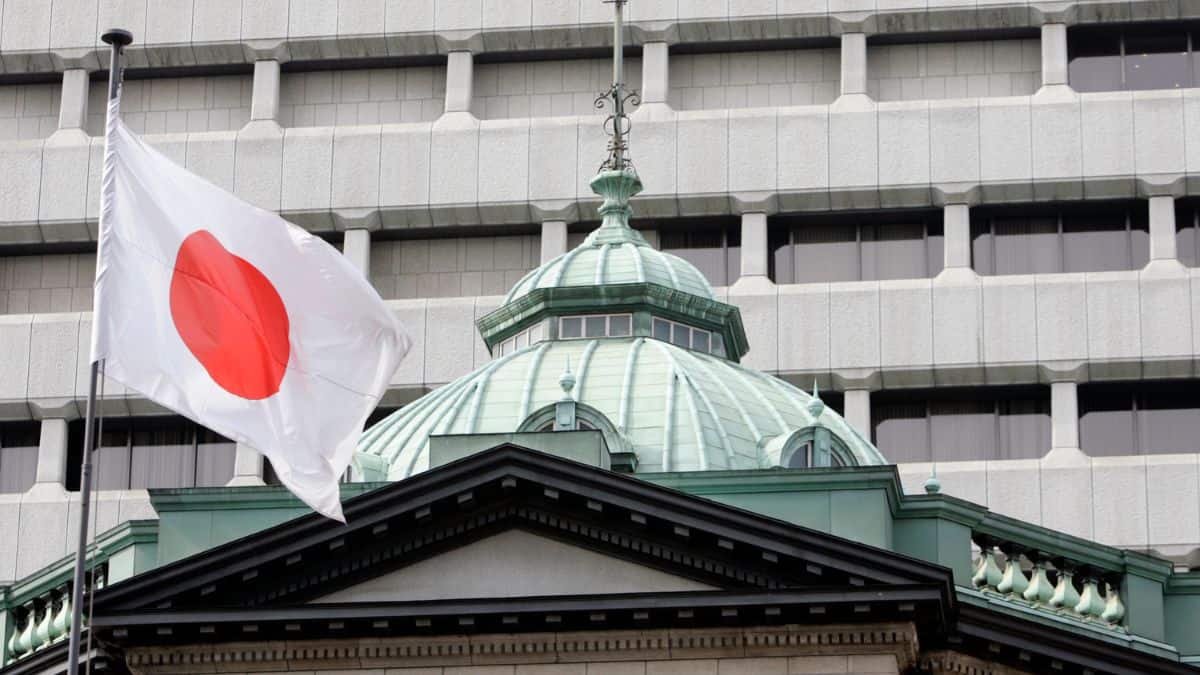
Japan has made it much more expensive to apply for permanent residency.
The fee rose from ¥10,000 to ¥200,000.
People applying must also show that they have a stable income and meet pension requirements.
Starting in April 2027, they will need basic Japanese-language skills.
Japan says these changes will help ensure that residents follow the country’s rules.
The government is making the changes while more foreigners are living and working in Japan.
Some people worry that immigration could affect Japan’s culture and public services.
However, Japan still needs foreign workers because its population is aging and some industries lack workers.

Japan increased the permanent residency application fee from ¥10,000 to ¥200,000 on 1 October 2026.
Applicants must demonstrate income at or above the Japanese average and satisfy new pension-related conditions.
Basic Japanese-language proficiency will become part of the permanent residency process from April 2027.
The rules were tightened as Japan’s foreign resident population exceeded 4.12 million at the end of 2025.
The government says the changes support “orderly coexistence,” while Japan continues relying on foreign workers to address labor shortages.
- Who
- Japan’s government, Prime Minister Sanae Takaichi, and foreign nationals seeking permanent residency.
- What
- Japan raised the permanent residency application fee twentyfold and introduced stricter income, pension, social-rules, and language requirements.
- Where
- Japan.
- When
- The fee and several changes took effect on 1 October 2026; basic Japanese-language proficiency will be required from April 2027.
- Why
- The government cites the need for orderly coexistence amid a growing foreign population, while Japan also faces an aging population and labor shortages.
Arguments for tighter rules
Arguments for continued inclusion
Immigration management
Arguments for tighter rules
Supporters say higher fees and stricter requirements can address public concerns about fairness, social rules, pensions, and the rapid growth of the foreign resident population.
Arguments for continued inclusion
Critics and some business voices argue that Japan should improve treatment and language education rather than view foreigners only as a temporary labor force.
Cultural and social concerns
Arguments for tighter rules
Some members of the public are concerned that accepting too many foreigners could dilute Japan’s distinctive culture, while social media has carried concerns about welfare and crime.
Arguments for continued inclusion
Others say Japan must accept foreign residents because of its low birth rate, aging population, and need for workers; the article also notes that some concerns are based on false claims.
Long-term settlement
Arguments for tighter rules
The new income, pension, and language conditions make permanent settlement more selective and emphasize self-sufficiency and integration.
Arguments for continued inclusion
Japan’s labor shortages and reliance on foreign workers create an argument for making long-term settlement more accessible and expanding Japanese-language support.
Key facts
- New permanent residency fee
- ¥200,000
- Previous permanent residency fee
- ¥10,000
- Foreign resident population
- More than 4.12 million at the end of 2025
- Income requirement
- Applicants must show stable income at or above the Japanese average; 2024 average household income was cited as ¥5.75 million.
- Pension requirement
- Expected pension benefits must be equivalent to those of someone enrolled in the employee pension system for 30 years; financial assets may be considered if benefits fall short.
- Language requirement
- Basic Japanese-language proficiency will be added from April 2027.
- Specified Skilled Worker figure
- 444,256 foreign nationals were working under the program in June, a record cited in the article.
Quotes

Sanae Takaichi
Japan’s prime minister
“I understand that over-accepting foreigners ... might dilute Japan's unique culture. But at the same time, given its low birth rate and ageing population, Japan has to accept foreigners,”
 firstpost.com
“both Japanese citizens and foreign residents can live safely and securely”
firstpost.com
Sources
Related news

Australia tightens visa rules for students, visitors and workers

US EB-5 Fees Rise Sharply for Indian Green Card Seekers

Australia Moves to Bar Student Families in Migration Overhaul

H-1B Fee Extension Deepens Uncertainty for Indian Professionals and Students

Singapore Population Reaches Record 6.21 Million as Foreign Residents Rise

Trump Extends $100,000 H-1B Fee Order Amid Legal Challenges

Harmanpreet Warns India Against Mistakes After Pakistan Semifinal

Abhishek’s Late Goal Sends India Past Pakistan Into Final

Hockey India Infighting Deepens Over Unapproved Executive Meeting

Dhorasoo Urges India to Learn From Japan, African Football

Global Bond Yields Hit Multidecade Highs Amid Debt Worries