1 hr ago
Tamil Nadu Finance Secretary Says Post-Settlement GST Rose 16.1%

Tamil Nadu’s Finance Secretary says the State received more GST revenue in the first half of FY27 than in the same period a year earlier.
He says the amount left after the Centre settles its share is the best way to measure what Tamil Nadu receives.
Some tax rates changed under GST 2.0, and businesses paid a smaller share of their tax bills in cash.
They could instead use credits from taxes already paid on inputs.
This can make gross collections look weaker even when the State’s settled revenue rises.
The article gives automobiles as one example: turnover increased, but cash tax fell.
The Finance Secretary said figures from the second half of the year may give a clearer picture.
He also said GST Council decisions about input tax credits could affect revenue.

Tamil Nadu’s post-settlement GST revenue rose 16.1% to ₹44,266 crore in the first half of FY27, according to the Finance Secretary.
The Finance Secretary said post-settlement GST better reflects revenue available to the State than gross GST collections.
In September, gross GST collections fell 5% while post-settlement GST revenue grew 16%, according to the article.
He attributed the difference to GST 2.0 rate changes and a lower share of tax liabilities paid in cash.
The article says second-half figures and GST Council proposals on input tax credit may affect the outlook for State revenue.
- Who
- Tamil Nadu Finance Secretary M.A. Siddique discussed State GST revenue.
- What
- He said post-settlement GST revenue increased 16.1% to ₹44,266 crore in the first half of FY27.
- Where
- Tamil Nadu, India.
- When
- The figures cover April–September FY27; the article was published October 7, 2026.
- Why
- He said tax-rate changes under GST 2.0 and shifts in cash payments and input tax credits make gross collections a less reliable indicator of State revenue.
Concerns about economic activity
Finance Secretary’s explanation
What GST collection trends indicate
Concerns about economic activity
Successive monthly declines in Tamil Nadu’s SGST collections have raised questions about the State’s economic activity.
Finance Secretary’s explanation
M.A. Siddique said tax-collection growth is not a reliable proxy for economic activity when tax rates and the share of liabilities paid in cash have changed.
Which revenue measure matters
Concerns about economic activity
Gross GST collections have shown marginal declines, prompting concern about collection trends.
Finance Secretary’s explanation
The Finance Secretary and experts cited in the article say post-settlement GST better measures the revenue that actually accrues to the State.
Key facts
- First-half post-settlement GST revenue
- ₹44,266 crore
- Year-on-year growth
- 16.1% in H1 FY27
- Reporting period
- April–September FY27
- September gross GST collections
- Down 5%
- September post-settlement GST
- Up 16%
- Cash share of GST liability
- 16.6% in August 2026, compared with 19.9% in August 2025
- Automobile turnover and cash tax
- Turnover up 16.3%; cash tax down 33%
Quotes
MA Siddique
Tamil Nadu Additional Chief Secretary to Government and Finance Secretary
“It is being wrongly portrayed that tax collection growth is a proxy of economic activity growth. Tax collections are proportional to turnover or economic activity only if tax rates and the cash ratio remain unchanged. But, in September 2025 and 2026, both tax rates and cash ratios were significantly different due to GST2.0.”
 thehindubusinessline.com
Sources
Related news
India’s GST Growth Slows Beneath Strong Headline Collections
India’s September GST Collections Rise 14.7% on Imports

India's Next-Gen GST Reforms Target Growth and Easier Compliance
Telangana Leads States in September GST Collection Growth

Centre Defends GST Growth Figures Amid Base Comparison Dispute

Andhra Pradesh Commercial Tax Collections Rise 18% in First Half

Teachers Ask SCERT to Move PAT-2 Before Diwali Break
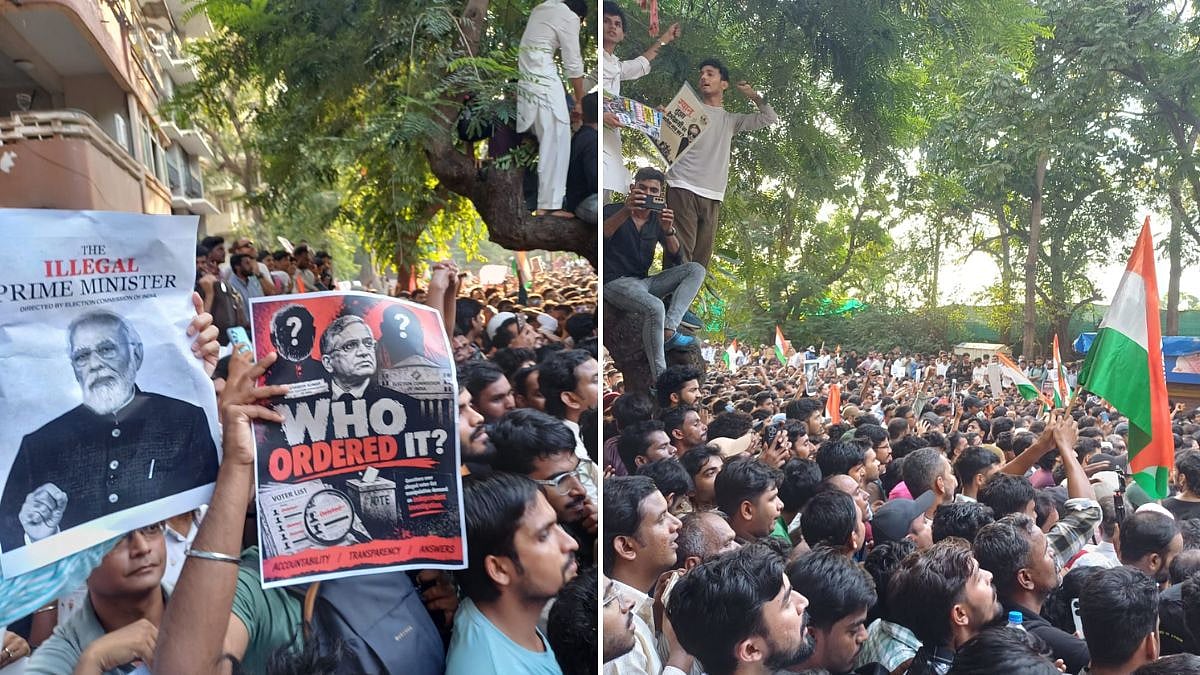
Street Protests Raise Questions About Their Electoral Impact

Maharashtra Contractors Seek Fadnavis Meeting Over ₹86,000 Crore Dues
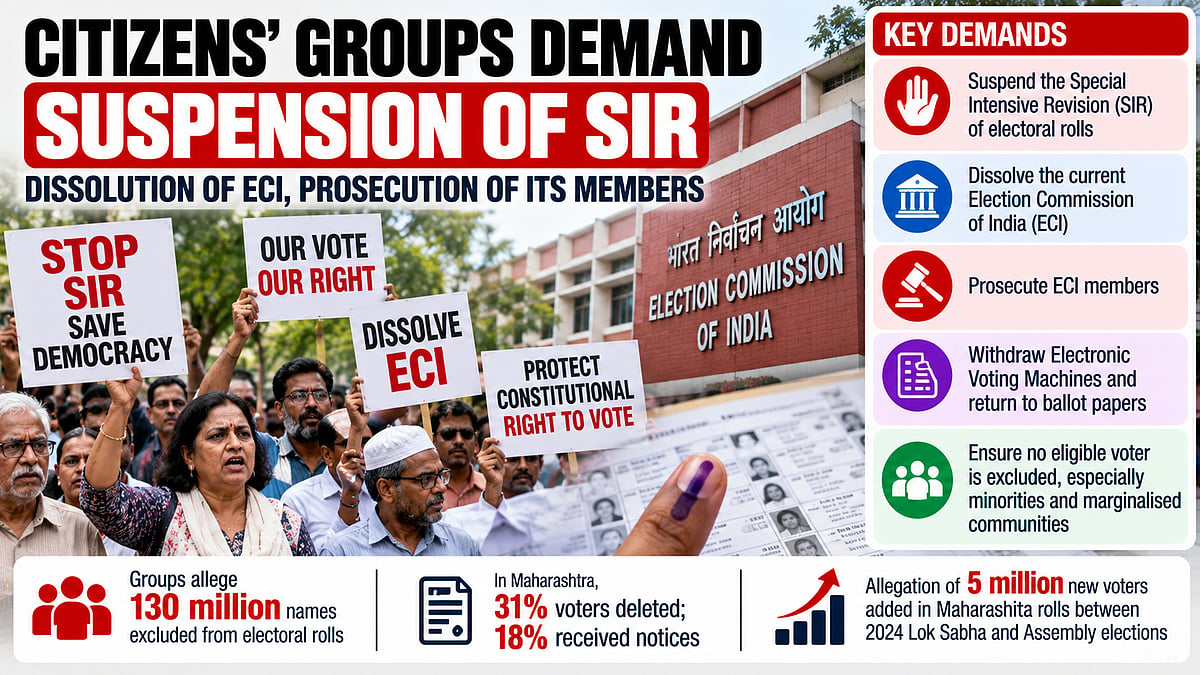
Mumbai Groups Demand SIR Suspension Over Voter Deletions