1 hr ago
Street Protests Raise Questions About Their Electoral Impact
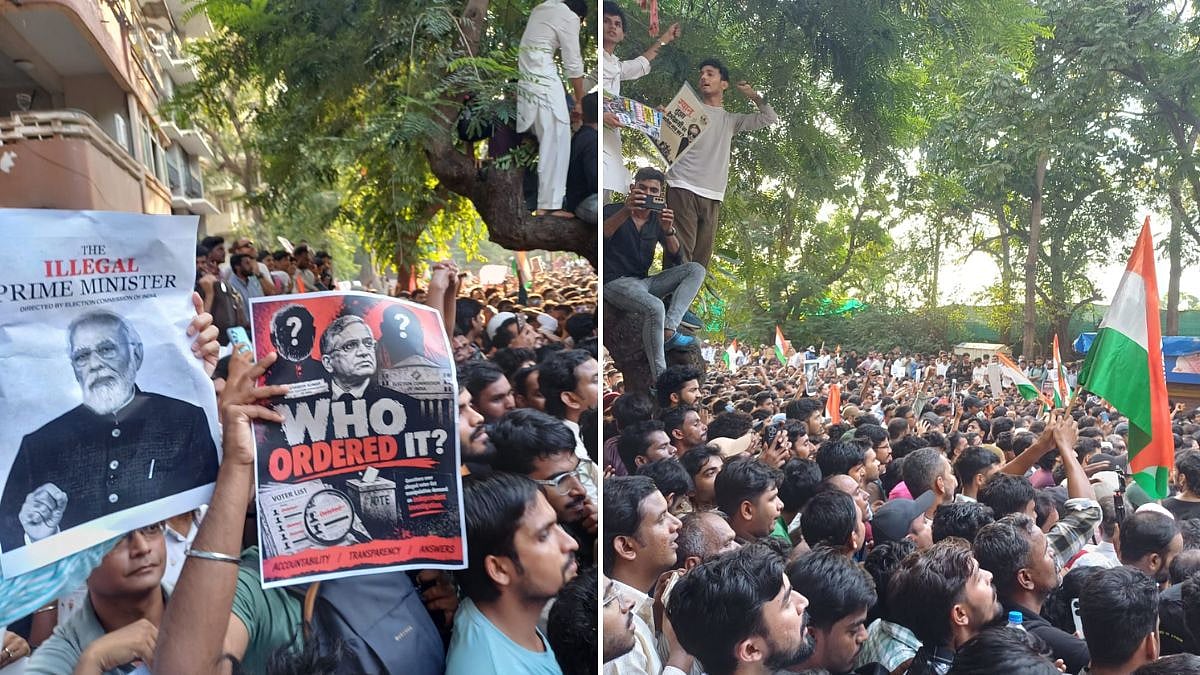
People in several parts of India have been holding protests.
Students are angry about alleged exam paper leaks, while other groups have raised concerns about elections and economic hardship.
Some political parties have joined or led demonstrations.
The article says unemployment and rising prices may be adding to people’s frustration.
Past farmer protests are offered as an example of demonstrations that led to a policy change.
But protests do not automatically mean voters will support a particular party.
The article says opposition parties still face questions about working together and sharing seats.
So, the protests’ effect on upcoming elections is not yet clear.

Protests in Maharashtra and elsewhere have involved students, farmers, and political groups.
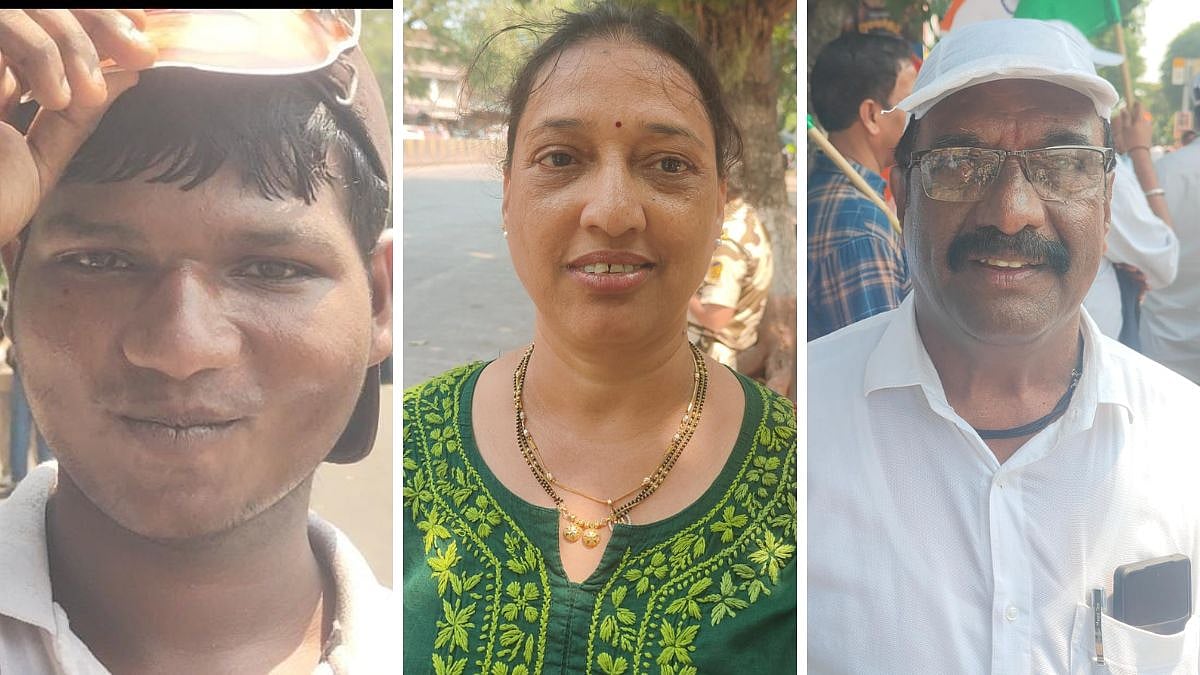
In Mumbai, Uddhav and Raj Thackeray led a rally demanding Chief Election Commissioner Gyanesh Kumar’s resignation over election-related controversies.
In Pune, Congress and the Nationalist Congress Party (SP) joined student protests over alleged leaks in Maharashtra Public Service Commission recruitment exams.
The article links the protests to economic pressures, including unemployment and inflation, as well as concerns about public institutions.
Whether the agitations will affect elections remains uncertain, with opposition unity, seat-sharing, and the political direction of student groups cited as factors.
- Who
- Students, farmers, citizens, and political groups, including INDIA alliance parties and the Thackeray cousins.
- What
- Street protests over exam paper leaks, election-related concerns, and economic grievances.
- Where
- Maharashtra, including Mumbai and Pune, as well as New Delhi and other parts of India.
- When
- In recent weeks, with the article discussing elections expected in 2027.
- Why
- Protesters object to issues including alleged exam leaks and election-related controversies; the article also identifies unemployment and inflation as sources of economic distress.
Potential electoral influence
Reasons for skepticism
Can protests shape election outcomes?
Potential electoral influence
The protests could mobilize voters because they reflect grievances about economic distress and public institutions; the article also cites the farmers’ agitation as an example of protest achieving a policy change.
Reasons for skepticism
Political observers and leaders cited in the article doubt that demonstrations alone will significantly affect elections.
Opposition readiness
Potential electoral influence
Opposition parties have joined demonstrations and may be able to channel public discontent into electoral support.
Reasons for skepticism
The article says opposition unity and seat-sharing remain unclear, and questions whether some alliance partners can campaign effectively.
Student groups’ role
Potential electoral influence
Student participation and the reported support for the Cockroach Janata Party could give younger protesters a political voice.
Reasons for skepticism
The article says it is unclear whether the group will form a political outfit or whether it could divide opposition votes.
Key facts
- Main issue
- Whether recent street agitations will have a significant effect on elections.
- Mumbai rally
- Uddhav and Raj Thackeray led a rally demanding Gyanesh Kumar’s resignation.
- Pune protests
- Students protested alleged paper leaks in Maharashtra Public Service Commission recruitment exams.
- Delhi march
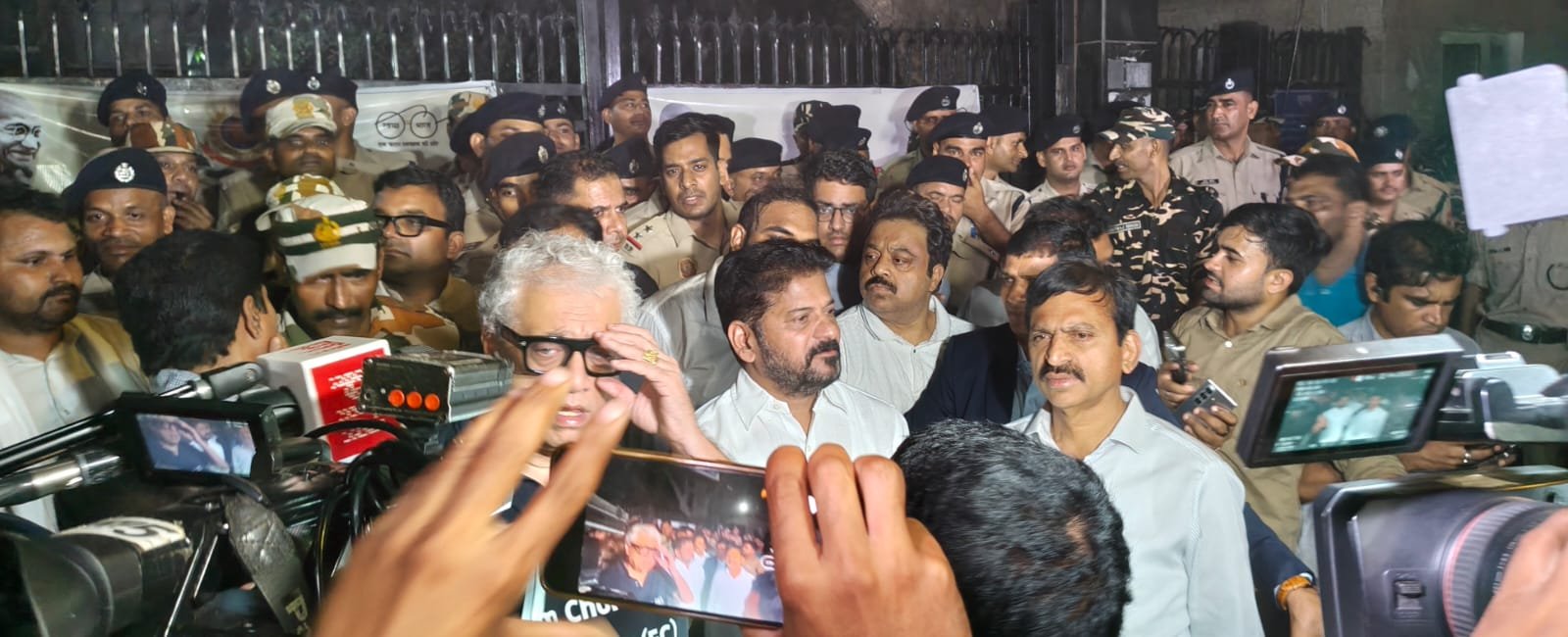
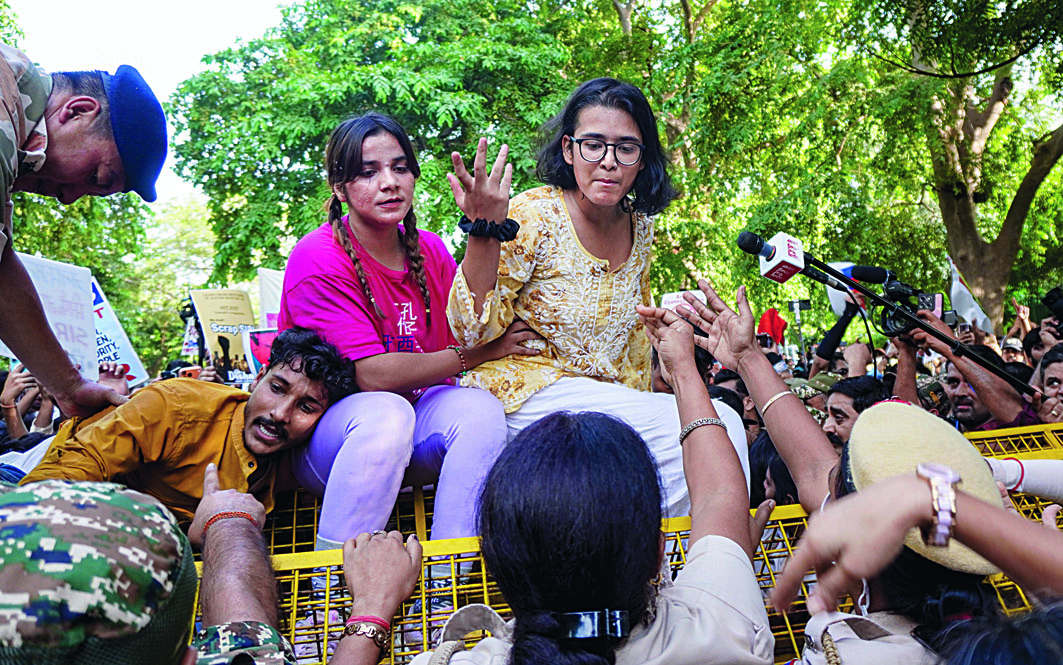
- The Congress-led INDIA alliance marched from Parliament toward the Election Commission office; participating MLAs were detained by police, according to the article.
- Economic pressures cited
- Unemployment and high inflation are described as contributing to distress among middle- and lower-middle-class people.
- Electoral uncertainties
- The article points to unresolved opposition seat-sharing, alliance unity, and the possible political direction of student organisations.
Sources
Related news

Sapkal Says Youth Will Not Back Down Despite Cases

Abhijeet Dipke to Visit Pune MPSC Protest, Urges Government to Listen
Protests Escalate as Demonstrators Demand Election Chief’s Resignation
Aaditya Thackeray Backs MPSC Protest, Urges Hunger Strikers to Stop
Thackeray Cousins Lead Mumbai March Against Election Commission Chief
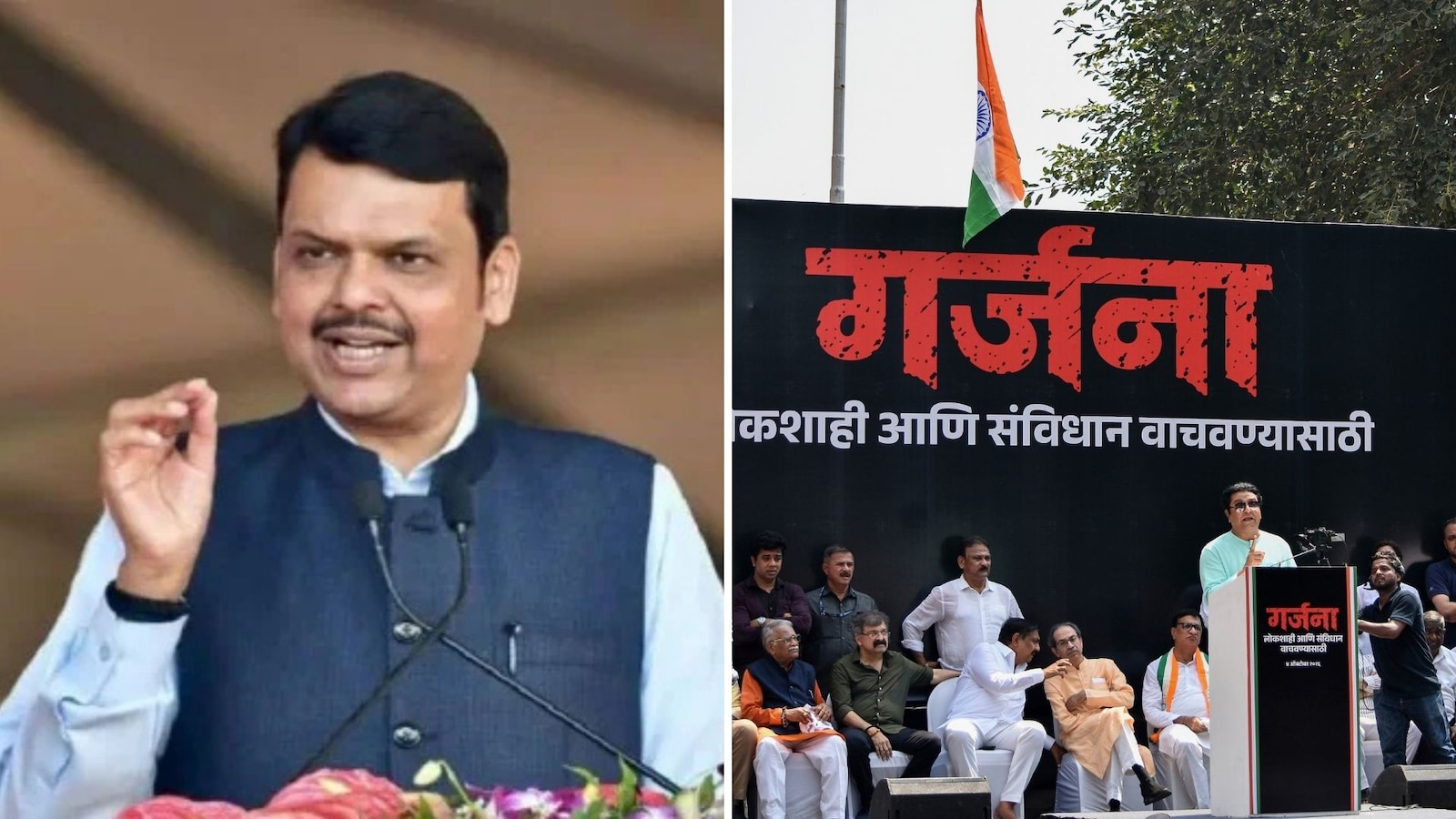
Fadnavis Calls Thackerays ‘Ghajinis’ After Mumbai Protest
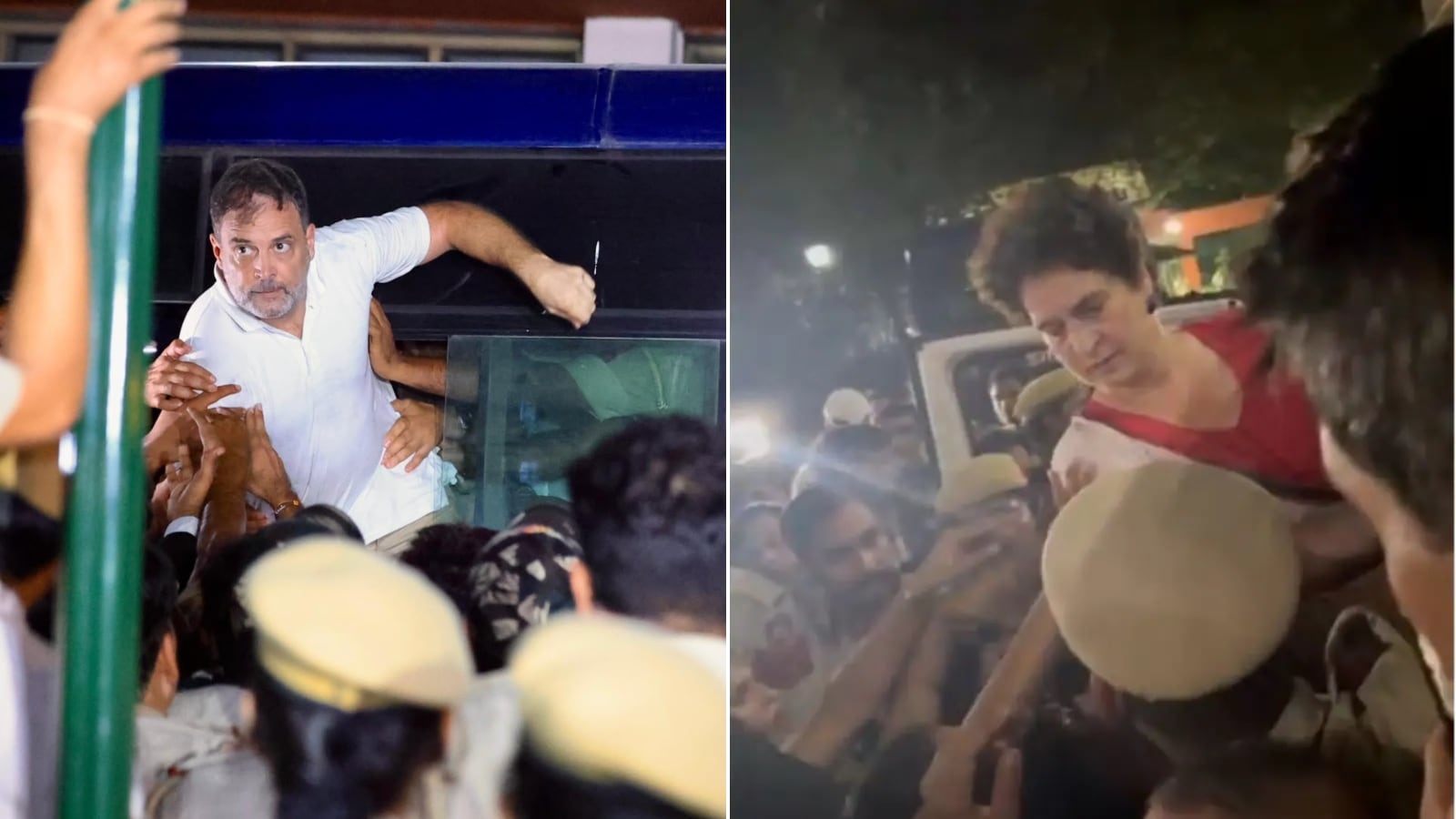
Opposition MPs Detained During Protest Over Election Revision Allegations

Rahul Gandhi Released After Detention as Anti-CEC Protests Continue

Rahul, Priyanka Lead Protest Over SIR; BJP Alleges Unrest
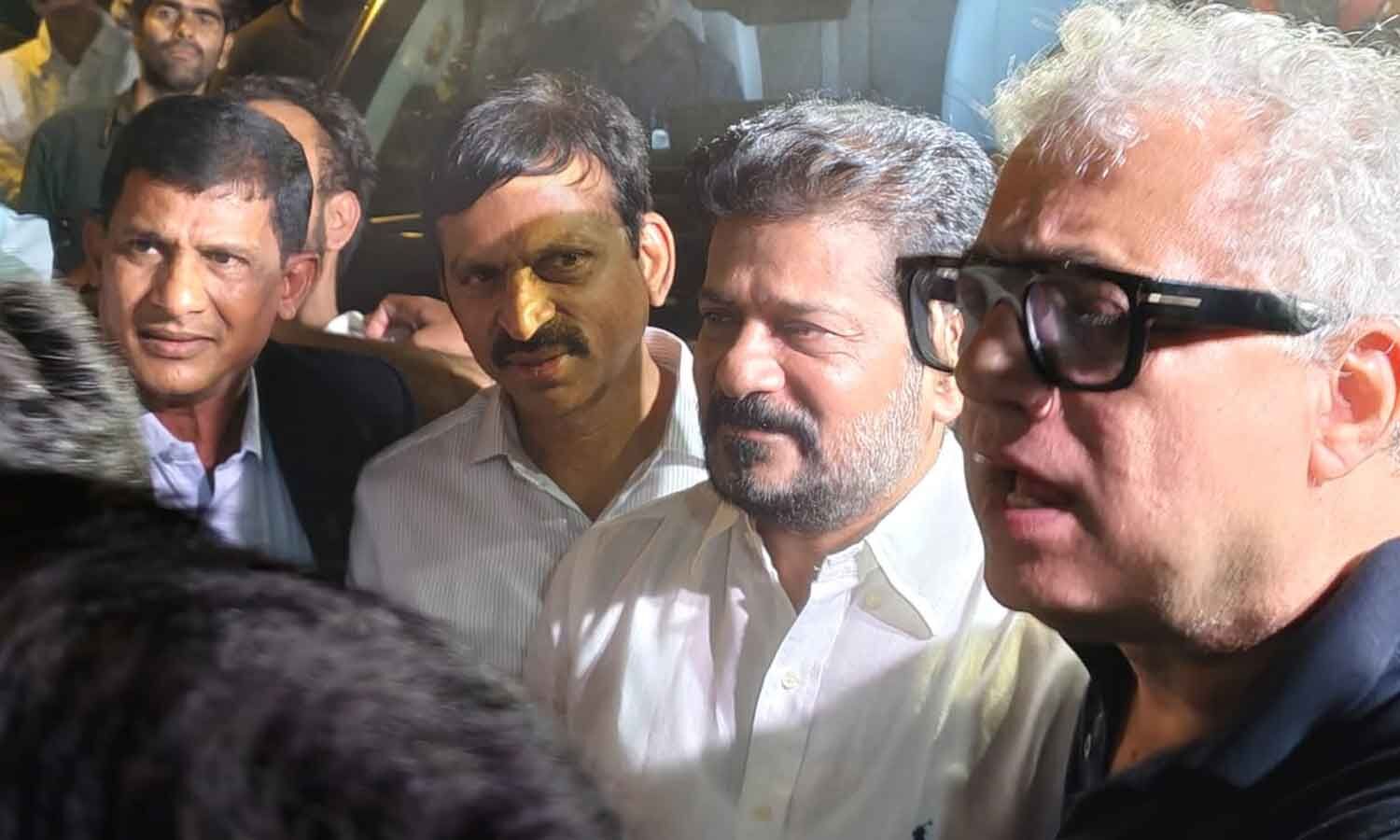
Revanth Reddy Demands Gyanesh Kumar Resign Over SIR

Congress Declares October 8 Black Day After MPs Detained