

1 week ago
Nigeria’s 2027 Elections Face N571 Billion Campaign Spending Ceiling
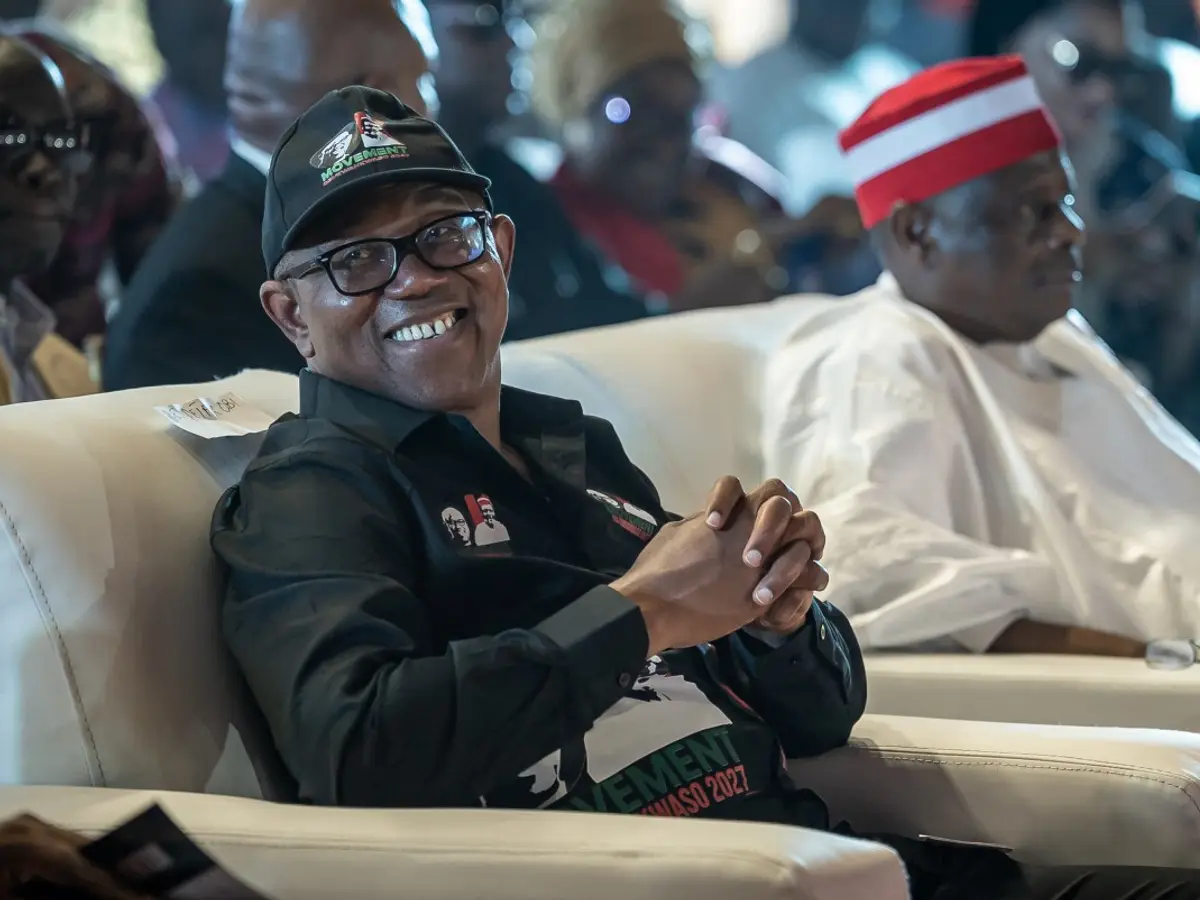
Nigeria has set new limits on how much election candidates can spend in 2027.
A presidential candidate can spend up to N10 billion.
A governorship candidate can spend up to N3 billion.
If all listed candidates spent the maximum, they could spend N571 billion together.
This is only a legal ceiling, not a prediction of actual spending.
One person cannot donate more than N500 million to one candidate.
Candidates who knowingly break the limits could be fined, jailed, or both.
Civil society groups say strong monitoring will be needed to make the rules work.

Presidential and governorship candidates could collectively spend up to N571 billion under the Electoral Act 2026.
Each presidential candidate may spend N10 billion, while each governorship candidate may spend N3 billion.
The estimate covers 19 presidential candidates and 127 governorship candidates across 28 states.
Individual donations to a single candidate are capped at N500 million.
Candidates who knowingly exceed spending limits may face fines, imprisonment for up to 12 months, or both.
- Who
- The 19 listed presidential candidates, 127 tracked governorship candidates, INEC, civil society organisations, and campaign observers.
- What
- The Electoral Act 2026 sets campaign spending limits that could allow presidential and governorship candidates to spend a combined maximum of N571 billion.
- Where
- Nigeria, including 28 states where governorship elections are scheduled.
- When
- The presidential and National Assembly elections are scheduled for January 16, 2027, and governorship and State House of Assembly elections for February 6, 2027.
- Why
- The rules are intended to regulate campaign finance, while concerns remain about monitoring spending and preventing wealthy politicians and financiers from gaining an unfair advantage.
Stronger Monitoring Advocates
Enforcement Concerns
Preventing unfair financial advantage
Stronger Monitoring Advocates
Civil society organisations and campaign observers argue that effective enforcement is needed to stop wealthy politicians and financiers from gaining an unfair advantage.
Enforcement Concerns
Civil society organisations have questioned whether electoral authorities can accurately track spending across traditional and social media, billboards, events, logistics, and other campaign activities.
Shared responsibility for oversight
Stronger Monitoring Advocates
Advocates have called for stronger penalties and cooperation among the Independent National Electoral Commission, anti-corruption agencies, media organisations, and civil society groups.
Enforcement Concerns
Although INEC says campaign-finance monitoring is among its statutory responsibilities, observers say the media and civil society must also help identify and document possible violations.
Key facts
- Presidential spending limit
- N10 billion per candidate
- Governorship spending limit
- N3 billion per candidate
- Combined potential ceiling
- N571 billion for the listed presidential and governorship candidates
- Presidential candidates counted
- 19
- Governorship candidates counted
- 127 across 28 states
- Single-donor limit
- N500 million to one candidate
- Maximum penalty
- A fine equal to 1% of the applicable limit, imprisonment for up to 12 months, or both
Sources
Related news
Nigeria 2027 Presidential Candidates Sign National Peace Accord
Congress spent Rs 136 crore in five state Assembly polls
Texas Senate Race Becomes Money Test for Trump’s GOP

44 local body members in Nanded disqualified for poll expenses

Direct Urban Local Body Elections Raise Expense Concerns
