1 week ago
International Student Applications Fall Amid Tighter US Visa Scrutiny
Fewer students from other countries are applying to colleges in the United States.
Applications from international students fell 10% for the next school year.
The number of new international students already fell 17% in fall 2025.
Students from Asia and Africa made up much of the decline.
Researchers think fewer applications now could mean fewer international students later.
Top universities may be less affected because many students still want to attend them.
Smaller private colleges and some public universities may lose important tuition money.
Analysts say the decline could also hurt local businesses and jobs.
Some students may instead choose colleges in the United Kingdom, Australia, or Singapore.

International undergraduate applications through March 1 fell 10% for the 2026–27 academic year, the steepest decline on record.
New international student enrollment in the United States fell 17% in fall 2025 compared with the previous year.
Common App data showed especially pronounced application declines among students from Asia and Africa.
Mid-ranked private colleges and regional public universities may face greater financial pressure than leading Ivy League schools.
NAFSA estimates the enrollment decline could cost local US economies $3.4 billion and put up to 40,000 jobs at risk.
- Who
- International students, US colleges, Common App researchers, and higher-education analysts.
- What
- International undergraduate applications and new student enrollment in the United States have declined.
- Where
- The decline concerns colleges and universities in the United States, with notable application decreases from Asia and Africa.
- When
- Applications were measured through March 1 for the 2026–27 academic year; the enrollment decline occurred in fall 2025.
- Why
- The report places the decline amid tighter US visa scrutiny and continuing differences over US immigration policies.
Limited impact on leading universities
Greater pressure on other colleges
Which schools are most exposed?
Limited impact on leading universities
The report says leading Ivy League colleges may be relatively insulated because their international applicant pools remain deep.
Greater pressure on other colleges
Mid-ranked private colleges and regional public flagships rely more heavily on full-pay international students and may struggle to replace lost revenue.
Effect of changing student choices
Limited impact on leading universities
Some US institutions may continue attracting international applicants despite the overall decline.
Greater pressure on other colleges
If students shift toward the United Kingdom, Australia, or Singapore, affected US colleges may be unable to compensate through domestic enrollment or higher prices.
Key facts
- Application decline
- International undergraduate applications fell 10% through March 1 for the 2026–27 academic year.
- Enrollment decline
- New international student enrollment fell 17% in fall 2025 from the previous year.
- Affected regions
- Common App reported a pronounced decline in applicants from Asia and Africa.
- Potential economic cost
- NAFSA projected a collective $3.4 billion cost to local US economies.
- Potential jobs impact
- The decline could put as many as 40,000 US jobs at risk.
- Major student sources
- International students in the United States have mostly come from India and China, according to the report.
- Alternative destinations
- Students may diversify their applications toward the United Kingdom, Australia, or Singapore.
Quotes

Jamie Beaton
Co-founder and CEO of Crimson Education, a college consulting firm
“Mid-ranked private colleges and regional public flagships are quite reliant on full-pay international students, and when those applicants start to diversify to the U.K., Australia or Singapore, these schools can't backfill the revenue since the domestic pipeline is shrinking with the demographic cliff, and they can't raise prices on a market already questioning their ROI.”
 republicworld.com
Sources
Related news
US foreign student enrolment projected to fall by 1.1 lakh

Indian Student Applications to US Colleges Fall Amid Visa Rules
Indian Undergraduate Applicants to US Fall 15% Amid Visa Uncertainty
US student visa crackdown could cost $3.4 billion, 40,000 jobs
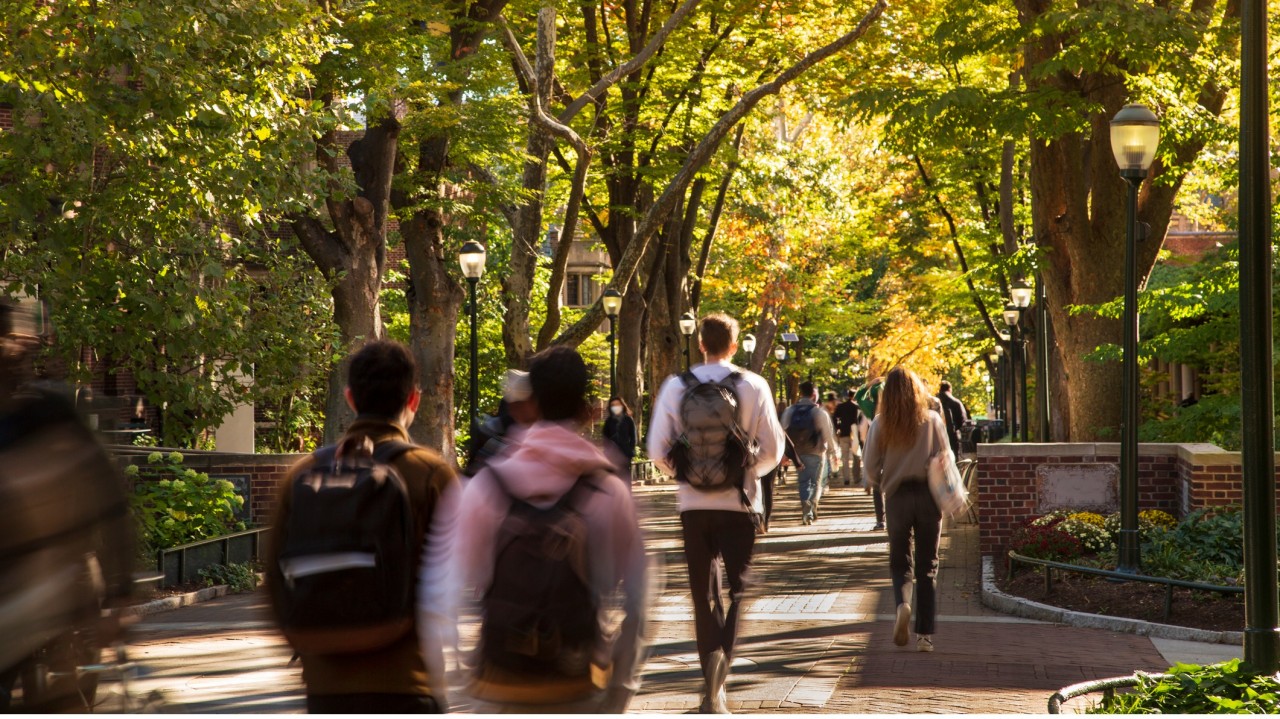
International Applications to US Colleges Fall Amid Trump Visa Crackdown
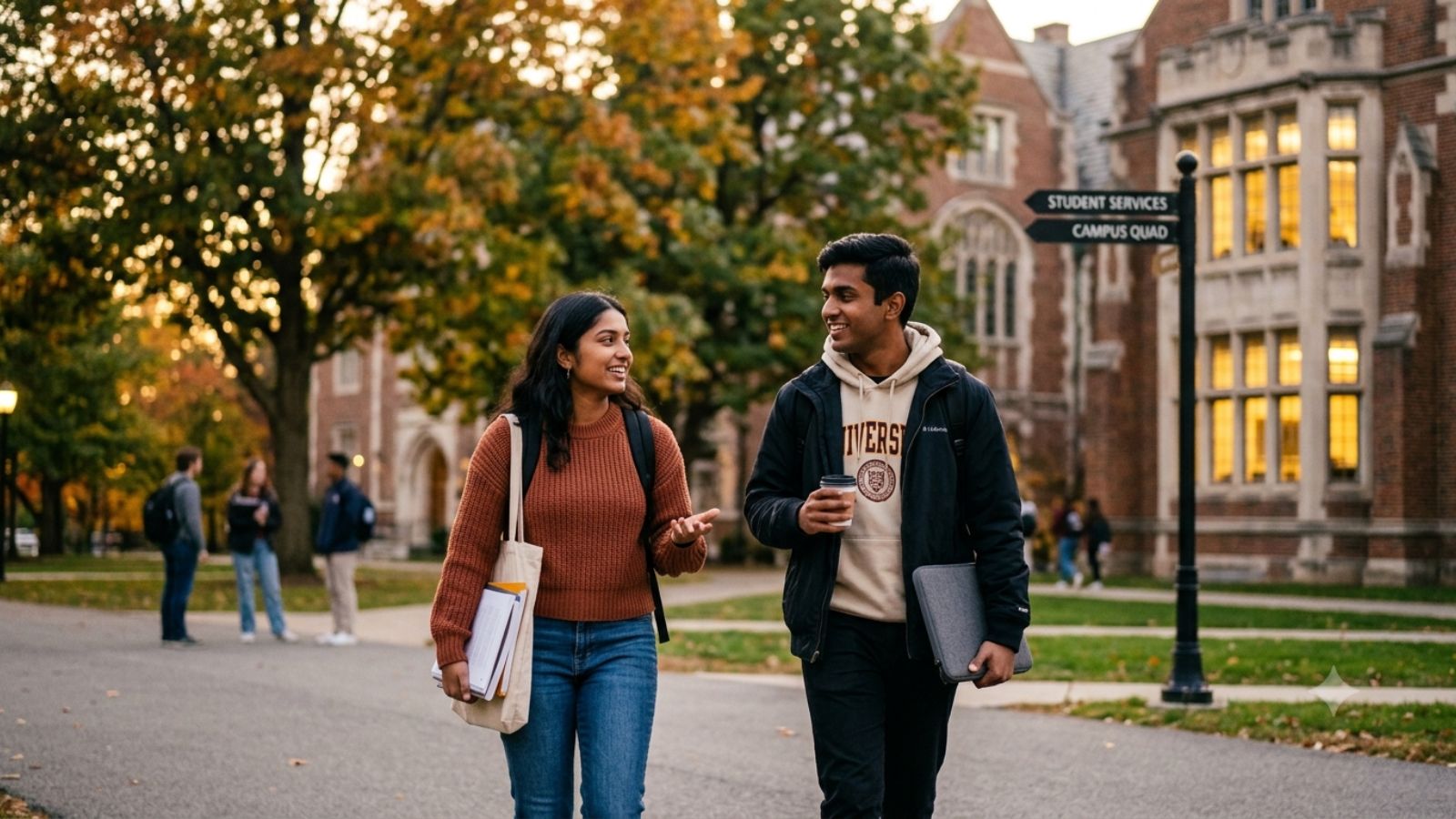
India Leads U.S. International Students Despite New Enrollment Drop

India Replaces Sri Lanka as 2027 Women’s Champions Trophy Host

Mitsubishi Revives Pajero With 201PS Fifth-Generation SUV

IIM-Born CEO Says Australia’s Everyday Life Runs on Trust

UN Report Says 1.5°C Overshoot, Return Remains Possible

Uday Kotak Warns Global Bond Markets Face Roller-Coaster Volatility