

1 hr ago
BRICS Summit Highlights India’s Diplomatic Balancing and Security Push

India is hosting an important BRICS meeting in New Delhi.
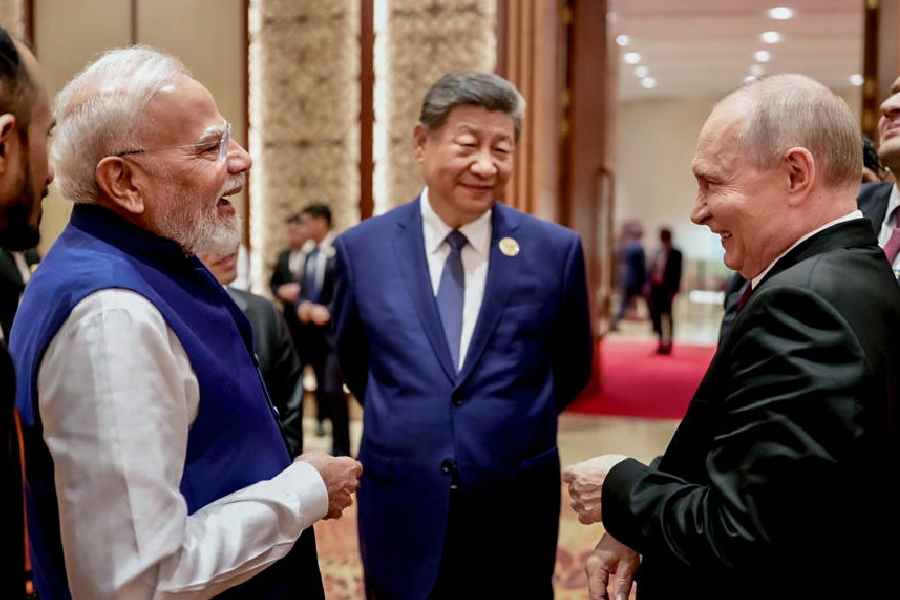
Leaders from countries including Iran, Saudi Arabia, China and Russia are expected to attend or be represented.
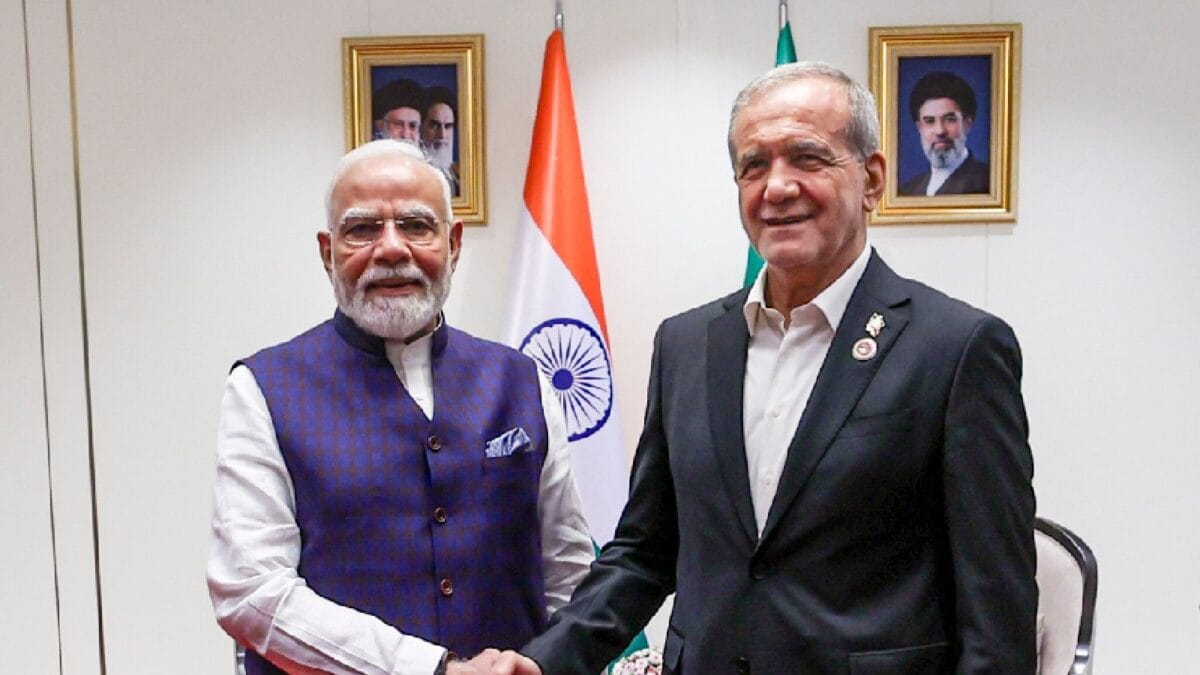
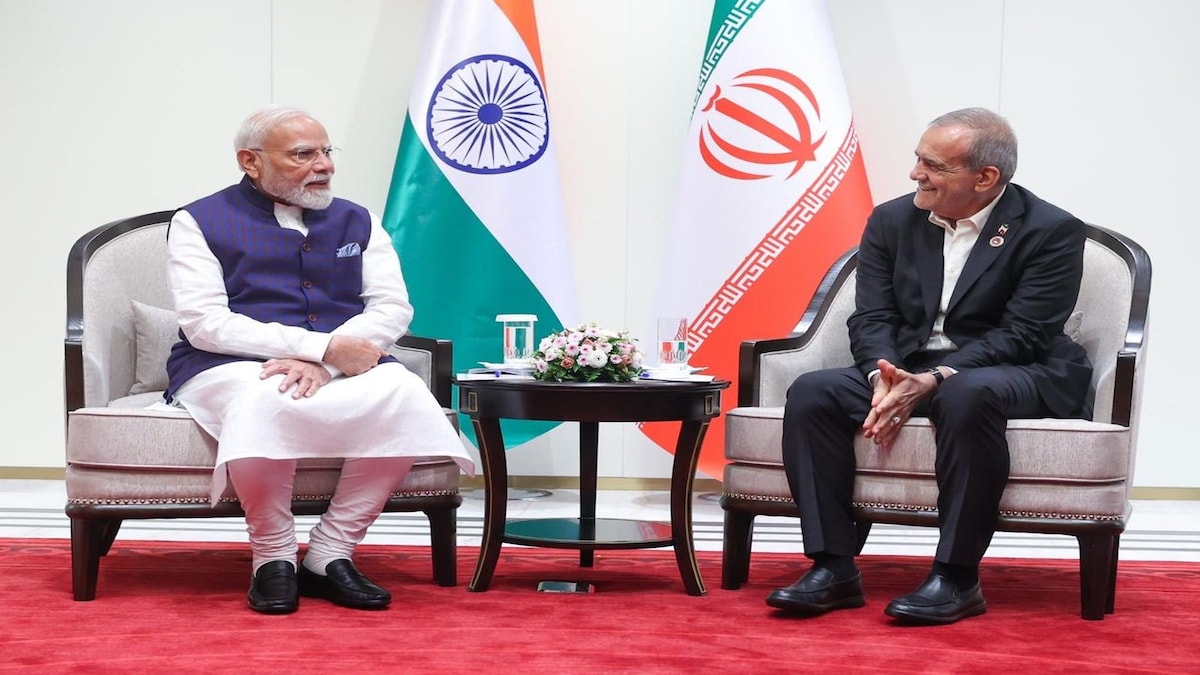
Prime Minister Narendra Modi’s friendly handshake with Iran’s president was seen as a sign that India wants to make its own foreign-policy decisions.
India also has to manage disagreements between Iran and Saudi Arabia.
The country hopes to keep talks focused on peace, energy and safe shipping.
China’s Xi Jinping is coming with senior official Cai Qi, while Tibetan groups plan peaceful protests.
New Delhi has arranged a very large security operation for the summit.
India has also announced a long-term defence plan called RAKSHA.
Officials are separately studying flood risks, promotions and retirements across government departments.

Prime Minister Narendra Modi’s warm handshake with Iranian President Masoud Pezeshkian was interpreted as a signal of India’s strategic autonomy despite Western sanctions on Iran.
India faces the challenge of balancing Saudi and Iranian positions at the BRICS Summit while seeking to protect energy interests and maritime stability.
The summit is expected to bring heightened security, with about 15,000 Delhi Police personnel and 200 Central Armed Police Force companies deployed in the capital.
China’s senior official Cai Qi is accompanying President Xi Jinping, while Tibetan exile groups are planning demonstrations over alleged cultural, religious and human-rights restrictions.
Separate administrative updates include the RAKSHA defence roadmap, officer promotions and retirements, cyber-intelligence expansion, and warnings about glacial-flood risks in West Bengal.
- Who
- Prime Minister Narendra Modi, Iranian President Masoud Pezeshkian, Chinese President Xi Jinping, Russian President Vladimir Putin, Saudi leadership and other BRICS representatives are central to the coverage.
- What
- The coverage focuses on the 18th BRICS Summit in New Delhi, India’s diplomatic engagement with Iran, Saudi Arabia, China and Russia, summit security, protests and related government initiatives.
- Where
- New Delhi is hosting the summit; the Jaldapara National Park-related flood study concerns Alipurduar district in West Bengal.
- When
- The BRICS Summit is scheduled for 12–13 September; several administrative retirement and promotion changes concern 2025–2027.
- Why
- India is seeking to balance competing regional and major-power relationships, maintain strategic autonomy, strengthen security cooperation and address associated diplomatic, environmental and administrative challenges.
Diplomatic Opportunity
Strategic and Political Risks
India’s Iran policy
Diplomatic Opportunity
Supporters interpret Modi’s handshake with Pezeshkian as evidence that India is preserving strategic autonomy and protecting priorities such as Chabahar Port and Eurasian connectivity.
Strategic and Political Risks
The gesture may concern Washington because it occurred despite Western sanctions and American pressure on Tehran, while Islamabad may see closer India-Iran ties as a challenge to Pakistan’s transit influence.
Saudi-Iran tensions at BRICS
Diplomatic Opportunity
India could use its relationships with both Riyadh and Tehran to encourage backchannel dialogue focused on maritime security, energy stability and a pause in attacks.
Strategic and Political Risks
The opposing security demands of Saudi Arabia and Iran could make a consensus BRICS declaration difficult and risk exposing divisions within the grouping.
Tibetan demonstrations
Diplomatic Opportunity
Tibetan exile groups say peaceful demonstrations are necessary to draw international attention to alleged restrictions on Tibetan identity, language, religion and fundamental freedoms.
Strategic and Political Risks
The protests coincide with Xi Jinping’s visit and add a sensitive political and security issue to the summit, although the articles do not provide a response from Chinese authorities.
Key facts
- Summit
- The 18th BRICS Summit is scheduled in New Delhi on 12–13 September.
- Iran engagement
- Narendra Modi and Masoud Pezeshkian were shown holding hands in a gesture interpreted as highlighting India’s ties with Iran.
- Regional tensions
- The coverage describes Saudi-Iran tensions, including Houthi attacks and Saudi retaliatory airstrikes in Yemen.
- Security deployment
- Around 15,000 Delhi Police personnel and 200 Central Armed Police Force companies have reportedly been deployed for summit security.
- Defence roadmap
- Defence Minister Rajnath Singh released RAKSHA, a 10-year framework covering strategic partnerships, military capacity-building, exercises, defence exports and maritime security.
- Environmental risk
- A study by Akash Verma examines potential Glacial Lake Outburst Flood risks to Jaldapara National Park from Bhutanese river basins.
- Administrative changes
- The government announced promotions for 10 Indian Information Service officers, two Indian Telecommunications Service officers and an IRS officer, while several retirements were identified for 2026.
Sources
Related news

Modi and Pezeshkian Signal India’s Balancing Diplomacy at BRICS

Iran Seeks Deeper India Trade Ties Ahead of BRICS Summit
Pezeshkian to Meet Modi Amid BRICS and West Asia Tensions

Modi, Pezeshkian Discuss Ties and West Asia Tensions
Modi Meets Iranian and Armenian Leaders at Bishkek SCO Summit
India Balances Ties With Rivals Amid Global Turmoil

Assam CM Urges Diyas For Modi Birthday Celebrations
Anant Nag To Receive 2024 Dadasaheb Phalke Award
Naidu to Join Seva Sankalp Abhiyan in Varanasi
Congress Raises Concerns Over Karnataka Voter Roll Revision
