

1 hr ago
Study Finds Gujarat’s Barda Sanctuary Can Support Asiatic Lions
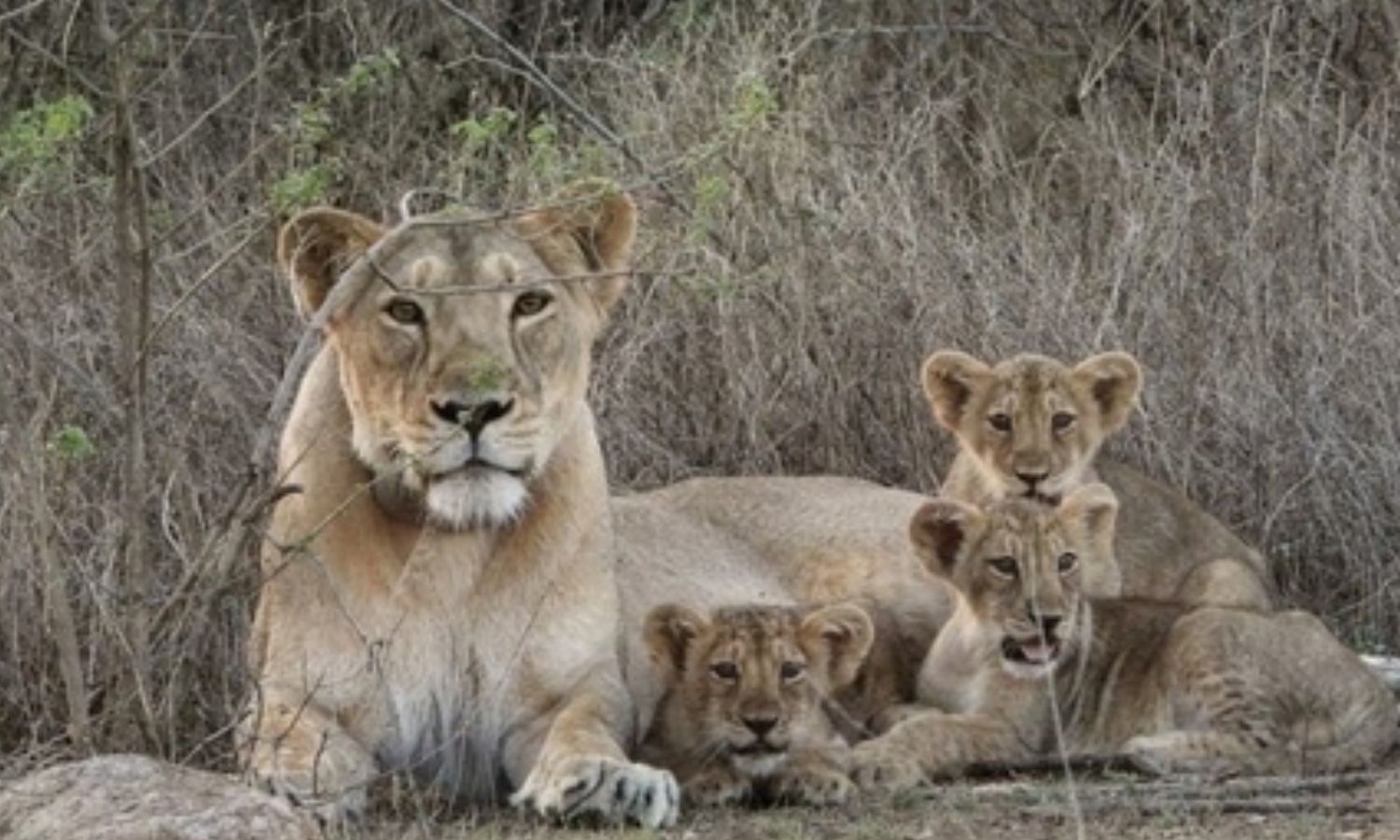
A new study says Barda Wildlife Sanctuary in Gujarat may be a good home for Asiatic lions for many years.
The sanctuary now has 17 lions.
Lions returned to the area naturally after being absent for nearly 144 years, and five females were later brought in.
Researchers used tracking collars on six lions to learn where they went and how they used the habitat.
They found the lions were using Barda’s forests and grasslands and forming home ranges and social groups.
Officials are improving the habitat and bringing in spotted deer so the lions have more natural prey.
They are also monitoring the lions and responding to possible conflicts with people.
Ecotourism has created local work, and the number of visitors has increased.

A study in PLOS One says Barda Wildlife Sanctuary could sustain Asiatic lions over the long term.
The sanctuary is now home to 17 lions, returning naturally after an absence of nearly 144 years, followed by the introduction of five females.
Researchers tracked six lions using radio collars and collected more than 169,000 GPS locations from January 2023 to July 2025.
The Gujarat Forest Department has translocated 441 chital from Gir during 2025-26 to strengthen Barda’s prey base.
Habitat restoration, monitoring and ecotourism are underway; visitor numbers rose from 2,271 in 2024 to 3,359 in 2025-26.
- Who
- Asiatic lions in Barda Wildlife Sanctuary, studied by researchers associated with the Gujarat Forest Department and Banda University of Agriculture and Technology.
- What
- A study assessed Barda as a potential long-term habitat for Asiatic lions and found suitable habitat, prey resources and ecological conditions.
- Where
- Barda Wildlife Sanctuary in Gujarat’s Saurashtra region, principally in Porbandar and Devbhumi Dwarka districts.
- When
- The study collected GPS data from January 2023 to July 2025; the report was published in PLOS One.
- Why
- Researchers assessed whether Barda could support lions beyond Gir and help sustain the species over the long term.
Conservation opportunity
Ongoing needs and challenges
Barda’s role in lion conservation
Conservation opportunity
The study finds Barda has suitable habitat, prey and ecological conditions to sustain lions long term, and officials describe satellite habitats as important for the species’ survival.
Ongoing needs and challenges
The article does not report a direct opposing view on Barda’s suitability; it notes that continued habitat work, prey enhancement, monitoring and connectivity are part of conservation efforts.
Key facts
- Sanctuary area
- 192.31 sq. km
- Lion population reported
- 17
- Study tracking sample
- Six lions: one male and five females
- GPS data
- More than 169,000 locations, January 2023 to July 2025
- Chital translocated
- 441 from Gir Wildlife Sanctuary during 2025-26
- Habitat improvement
- About 3,200 hectares covered this year
- Ecotourism visitors
- 2,271 in its first year; 3,359 in 2025-26
Quotes

Arjun Modhwadia
Gujarat Minister for Forests and Environment
“This is very significant research from the Asiatic lion’s conservation perspective. With the lion population no longer confined to a single core landscape, Barda can serve as a population buffer for lions dispersing from the southwestern side of Gir. Protecting such satellite habitats and maintaining connectivity between them will be essential for the species’ long-term survival.”
 thehansindia.com
“Improving the availability of natural prey is another focus of the conservation effort. During 2025-26, 441 chitals, or spotted deer, were translocated from Gir Wildlife Sanctuary to Barda to increase the herbivore population and strengthen the prey base.”
thehansindia.com
Sources
Related news
Gujarat Announces Voluntary Maldhari Relocation From Lions’ Second Home
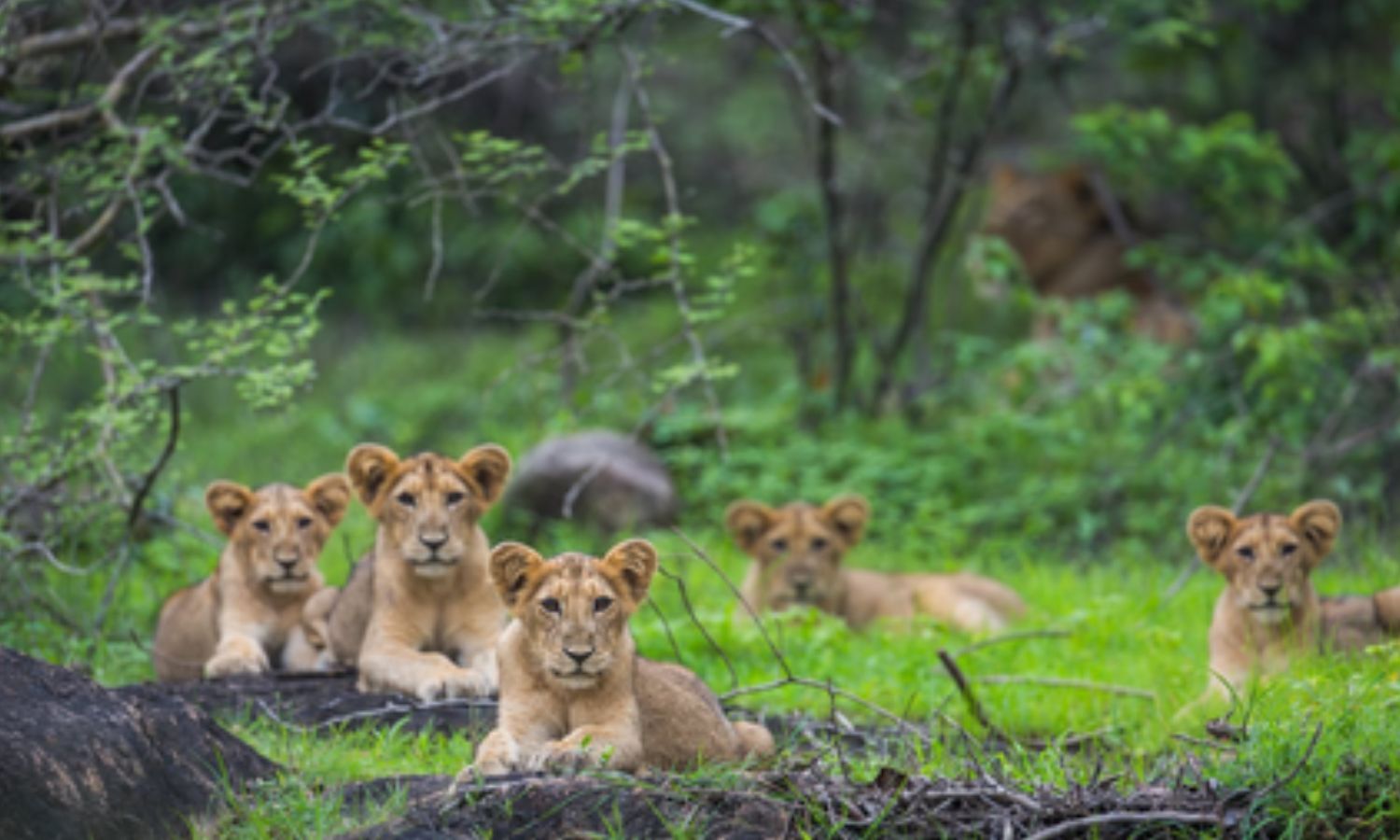
Gujarat Reorganises Porbandar Forest Division as Lions Return to Barda
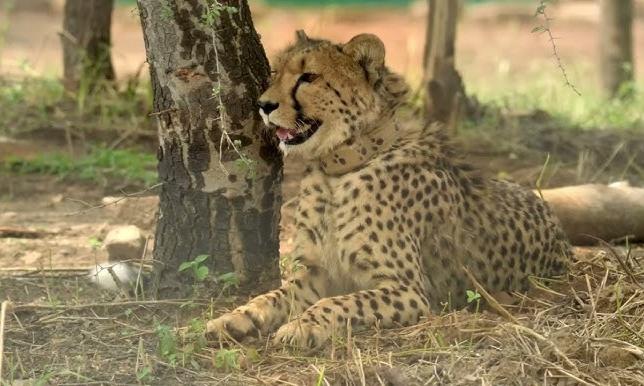
Cheetahs Reach Madhya Pradesh’s Third Habitat at Durgavati Reserve
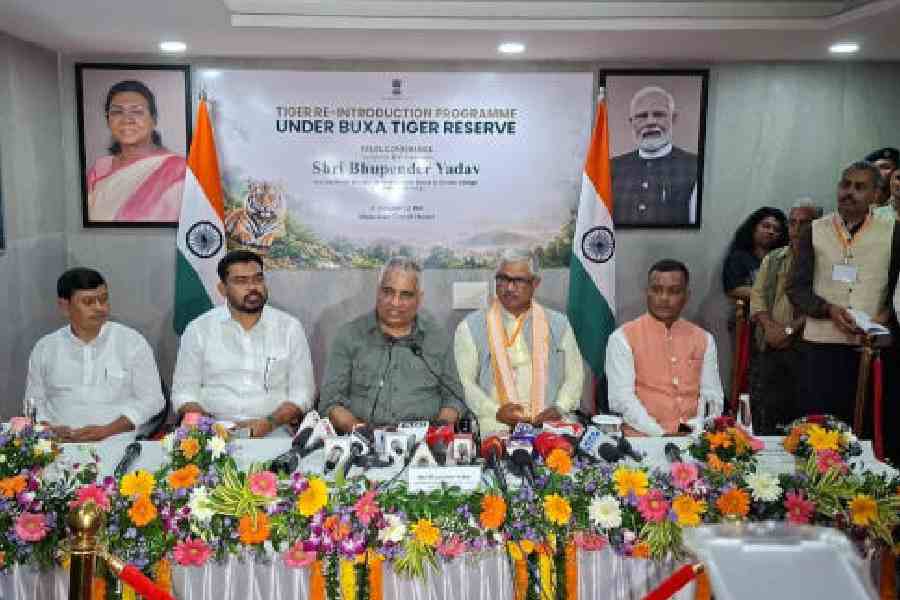
Tigress Release Launches Buxa Tiger Reintroduction Programme
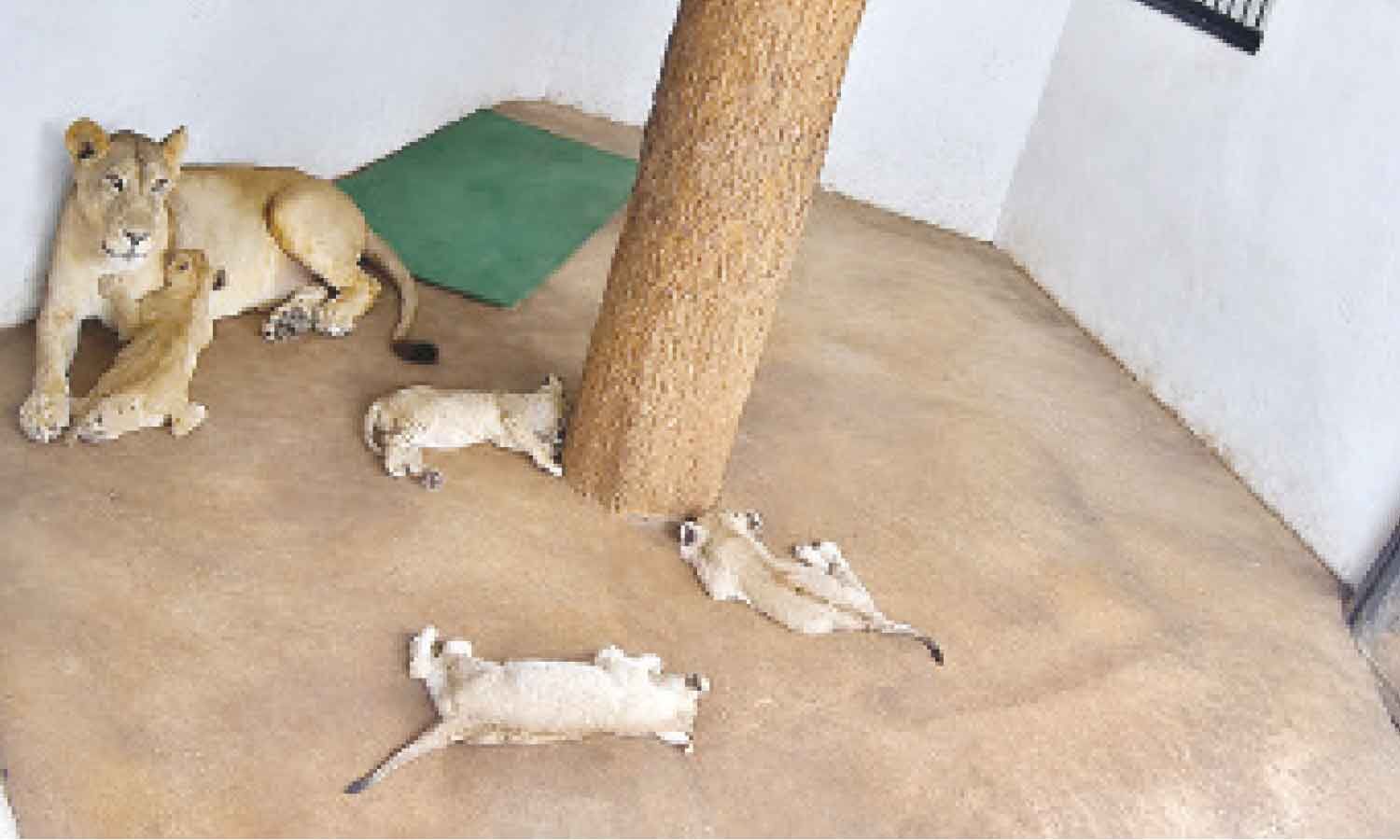
Indira Gandhi Zoological Park welcomes four Asiatic lion cubs
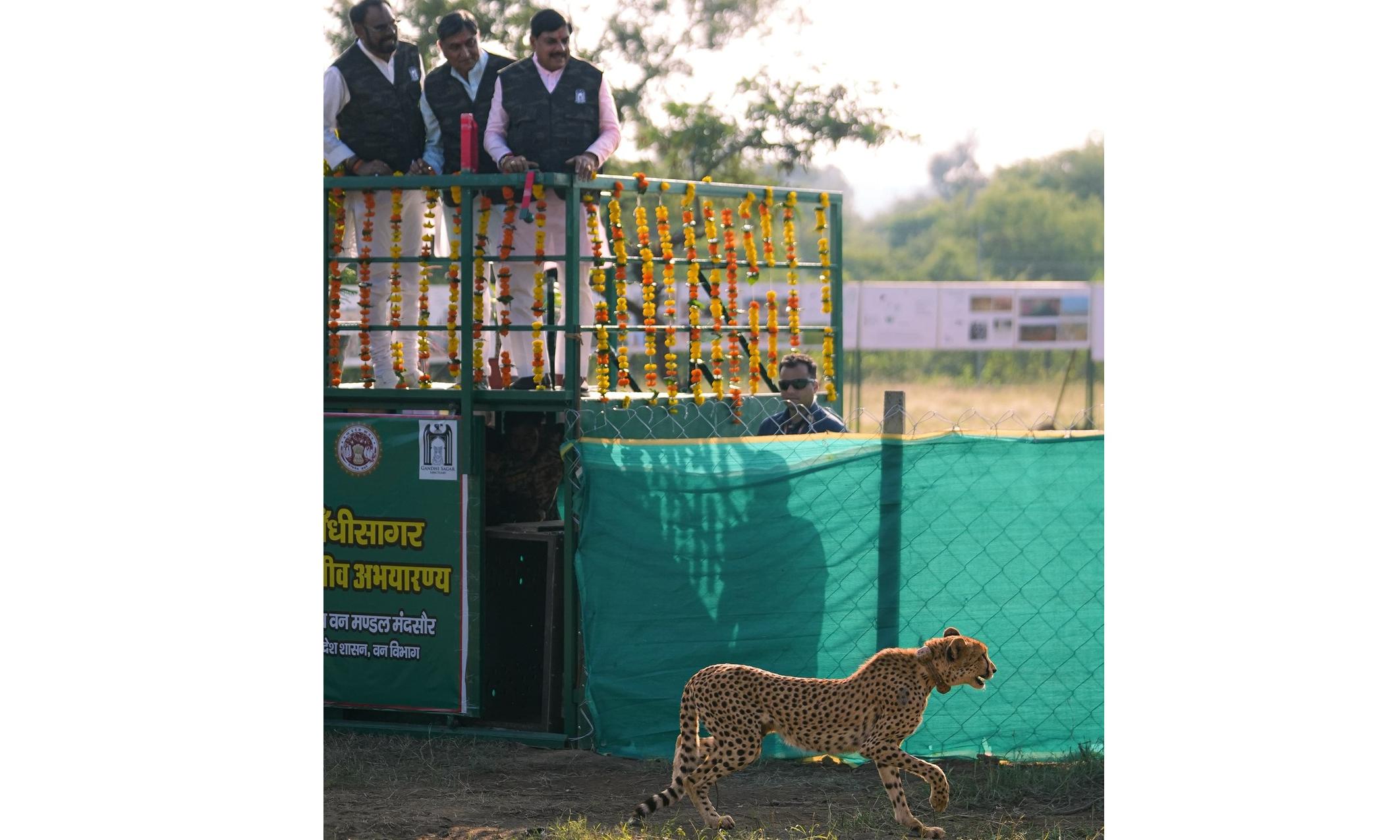
Botswana Female Cheetah Moved to Gandhi Sagar Sanctuary, Madhya Pradesh

Vijay Urges Modi to Release Funds, Approve Tamil Nadu Projects

Yogi Says Women Lead Over Half of Uttar Pradesh Startups
Modi Says India Pursuing 2036 Olympics Hosting Dream
Nadda Accuses Himachal Congress Government of Misgovernance and Delays
Modi Urges Gen Z to Dream Big in Chennai
