1 week ago
Piyush Goyal Meets Japanese Leaders to Deepen Investment Ties

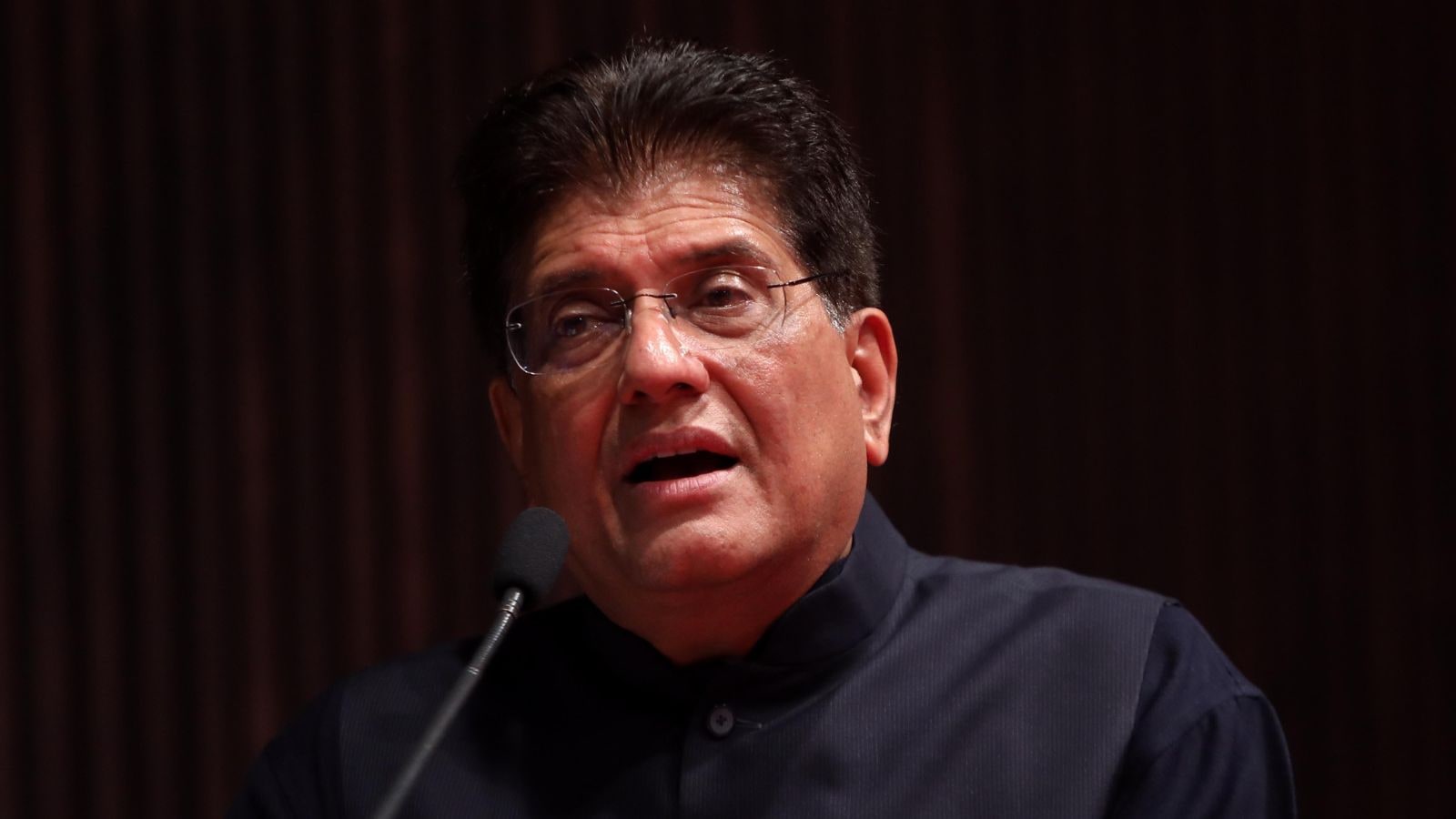
Piyush Goyal met Japanese financial leaders in Tokyo to encourage them to invest more in India.
The two countries want Japanese private investors to provide 10 trillion yen over the next ten years.
Goyal said India’s economy is growing strongly despite problems around the world.
He described opportunities in technology, clean energy, factories and digital infrastructure.
Japanese institutions said they are already active in India and see strong long-term potential.
Some institutions discussed investments in finance, renewable energy, property, venture capital and technology.
They also said that moving profits out of India and dealing with regulations can sometimes be difficult.
Goyal said the Indian government wants to make investing easier.
The meeting also discussed GIFT City as a way to support investment between the two countries.

Piyush Goyal met senior representatives of six Japanese financial and investment institutions in Tokyo.
Discussions focused on long-term capital flows, investment partnerships and expanding Japanese participation in India’s economy.
India and Japan aim to mobilise 10 trillion yen in Japanese private investment into India over the next decade.
Goyal highlighted opportunities in semiconductors, artificial intelligence, renewable energy, hydrogen, manufacturing and digital infrastructure.
Investors expressed long-term confidence in India while calling for simpler profit repatriation, better capital-market access and predictable regulations.
- Who
- Commerce and Industry Minister Piyush Goyal and senior representatives of MUFG, Development Bank of Japan, Mizuho, Morgan Stanley, Nomura and Nippon Life.
- What
- They discussed strengthening Japanese capital flows into India, expanding investment partnerships and improving conditions for institutional investors.
- Where
- Tokyo, Japan.
- When
- Tuesday.
- Why
- To deepen India-Japan investment ties and support the goal of mobilising 10 trillion yen in Japanese private investment into India over the next decade.
India’s Investment Pitch
Investor Considerations
Long-term growth prospects
India’s Investment Pitch
Goyal highlighted India’s economic resilience, banking-sector strength, expanding middle class, rising incomes and opportunities in technology, energy and manufacturing.
Investor Considerations
The Japanese institutions expressed strong confidence in India’s long-term growth prospects and described expanding operations and investment interests in the country.
Ease of investing
India’s Investment Pitch
Goyal said the government is committed to improving ease of doing business, protecting intellectual property and creating a more seamless investment environment.
Investor Considerations
The institutions called for simpler profit repatriation, improved access to Indian capital markets and greater regulatory predictability.
Short-term investment decisions
India’s Investment Pitch
India presented its renewable-energy capacity, power grid and policy reforms as foundations for future investment.
Investor Considerations
The institutions said currency movements and certain regulatory and policy considerations can affect short-term investment decisions.
Key facts
- Investment target
- India and Japan aim to mobilise 10 trillion yen of Japanese private investment into India over the next decade.
- India’s reported growth
- Goyal said India recorded 7.7% growth last year despite global uncertainties.
- Long-term economic goal
- India is working towards becoming a $30-trillion economy by 2047.
- Priority sectors
- Semiconductors, artificial intelligence, data centres, renewable energy, green hydrogen, advanced manufacturing and digital infrastructure.
- MUFG investment
- MUFG highlighted an investment of around $4 billion in Shriram Finance.
- Morgan Stanley presence
- Morgan Stanley said India is one of its most important global locations, with more than 19,000 employees.
- Proposed investment gateway
- The meeting examined GIFT City’s potential role in facilitating international and cross-border investment.
Sources
Related news

Goyal Says India Targets $30-Trillion Economy With Japanese Investment

Piyush Goyal Pushes India-Japan Investment in Chips and Industry

Goyal Promotes India’s Growth Opportunities to Japanese Business Leaders

Goyal Urges Japanese Firms to Double India Presence by 2030
Goyal Leads Largest-Ever India-Japan Delegation for Trade Push

Japanese Financial Institutions Seek Easier Access to India’s Markets

SpaceX Plans Texas Foundry to Ease AI Power Bottleneck
India's Strong Q1 GDP Raises FY27 Growth and Rate-Hike Expectations

HDFC Bank Shares Rise as CEO Selection Process Advances

Morgan Advanced Materials Exits Foseco India With Rs 678-Crore Sale

Investors Urge Warsh to Prioritize Inflation in Jackson Hole Speech