2 hrs ago
Book Review Examines Hindutva Through Spectacle, Ritual, Music and Power
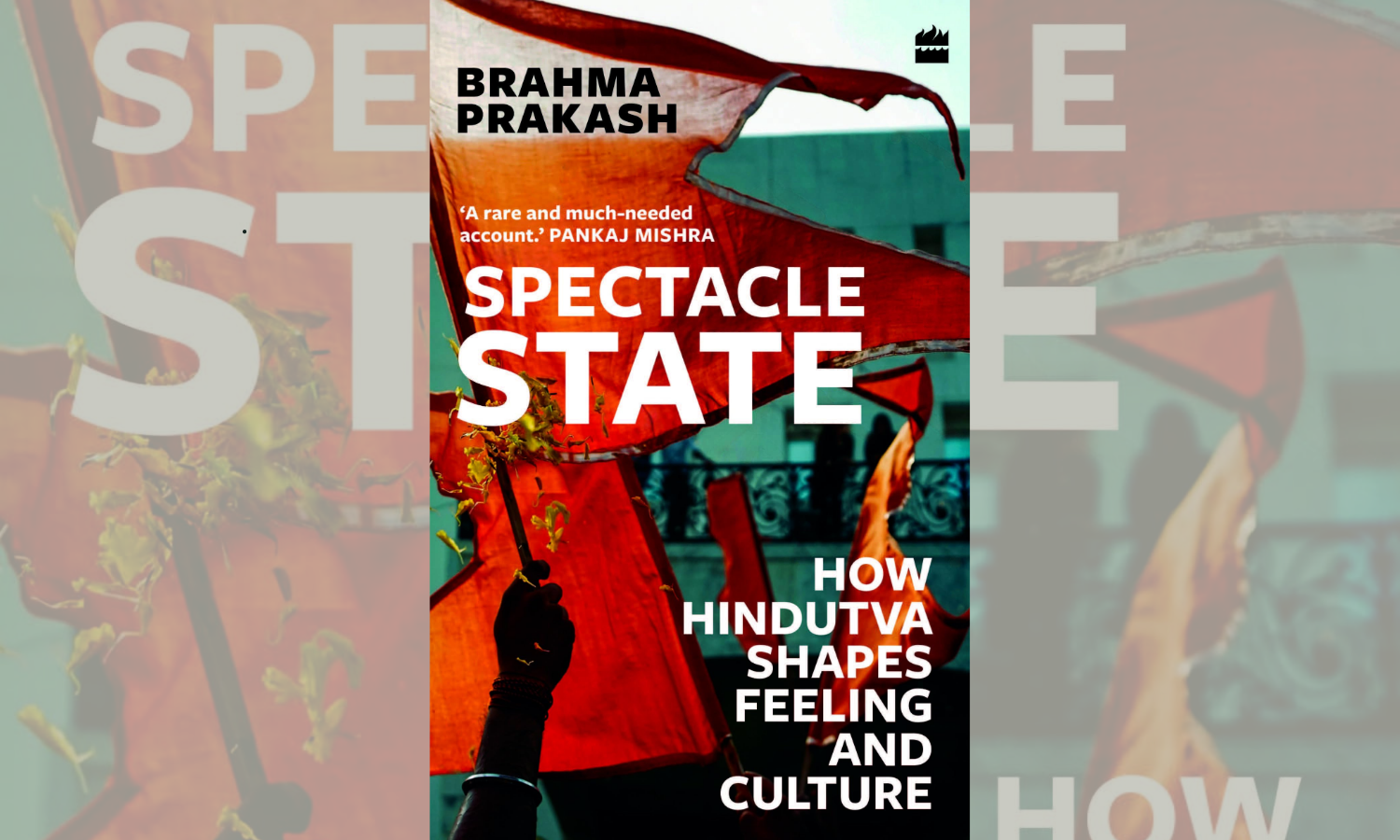
Brahma Prakash’s book explains how politics can use dramatic images, music and public events to influence people.
He calls this kind of power the “Spectacle State.”
The book says Hindutva is not only a set of political ideas but also something performed through rituals, songs and celebrations.
Examples include bulldozers, religious gatherings, aggressive music and images shared online.
These spectacles can create excitement, anger and fear.
The reviewer agrees that this is an important way to study Hindutva.
However, the reviewer says the book does not fully explain why Hindutva pop is so popular.
The reviewer also thinks the book should pay more attention to institutions such as the judiciary and voter administration.
The review finds the book most persuasive when it connects Hindutva performances with Kshatriya ideas of honour and the defence of Brahmanism.

Brahma Prakash’s book presents Hindutva as an aesthetic project shaped through ritual, song, images and public spectacle.
The book defines the “Spectacle State” as political power focused on producing, distributing and circulating spectacles.
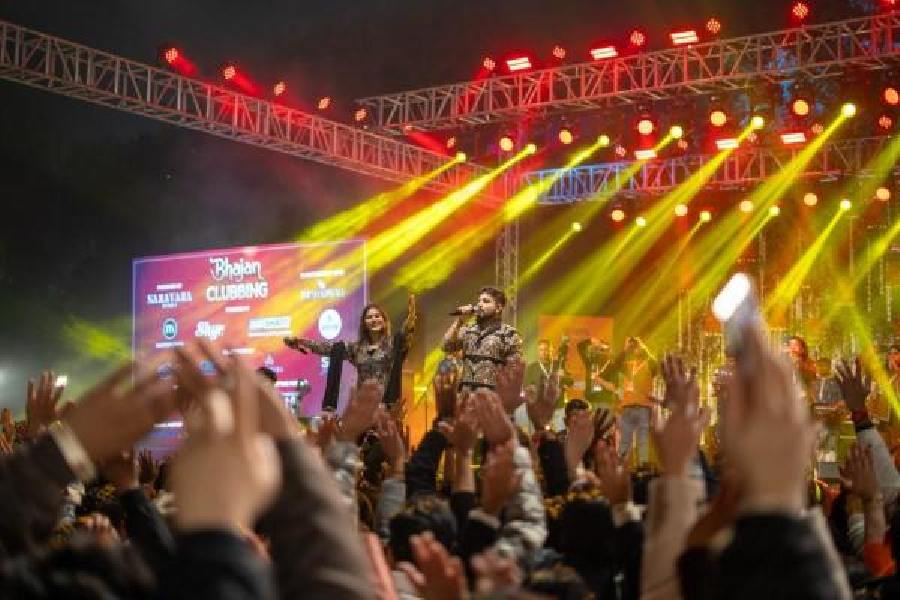
The review highlights bulldozers, lynching imagery, kanwaria vandalism, bhajan clubs and Hindutva pop as examples of this politics.
The reviewer argues that the book underexplains the appeal of Hindutva pop and gives insufficient attention to the State’s institutional power.
The book’s strongest contribution, according to the review, is its analysis of Kshatriya honour codes defending Brahmanism.
- Who
- Brahma Prakash, author of Spectacle State: How Hindutva Shapes Feeling and Culture; the book’s arguments are assessed by a Telegraph India reviewer.
- What
- A review of a book arguing that Hindutva operates through political spectacle, ritual, music, media and cultural performance.
- Where
- India, including cultural and political spaces discussed in the book.
- When
- The article does not specify a publication date for the book or review.
- Why
- The book seeks to explain Hindutva’s appeal and political power by examining how spectacles are produced, circulated and experienced.
Book’s Argument
Reviewer’s Reservations
How Hindutva works
Book’s Argument
Prakash argues that Hindutva’s influence must be understood through ritual, song, performance, media images and spectacle, not ideology alone.
Reviewer’s Reservations
The reviewer accepts the importance of spectacle but says the analysis should be balanced with attention to the State’s institutional and administrative power.
Hindutva pop
Book’s Argument
The book presents Hindutva pop and bhajan clubbing as forms of sonic aggression that mobilize participation, visibility and excitement.
Reviewer’s Reservations
The reviewer calls the chapter on Hindutva pop the book’s weakest, saying it does not adequately explain whether communal lyrics, techno beats or participation in Othering drive its popularity.
Cultural inclusion
Book’s Argument
Prakash argues that Hindutva pop allows diverse groups to make music and gain fame, even if that fame is fragile or short-lived.
Reviewer’s Reservations
The reviewer responds that wider participation does not make the cultural form genuinely inclusive.
Key facts
- Book
- Spectacle State: How Hindutva Shapes Feeling and Culture
- Author
- Brahma Prakash
- Publisher
- HarperCollins
- Price
- ₹599
- Central concept
- The “Spectacle State,” defined as political power centered on producing, distributing and circulating spectacle.
- Examples discussed
- The Mahakumbh, Hindutva pop, bhajan clubs, bulldozers, sword-brandishing and digitally circulated images.
- Main criticism
- The review says the book does not adequately explain Hindutva pop’s appeal or sufficiently analyze institutional State power.
Sources
Related news
Book Review Examines Hindutva’s Use of Culture and Violence
India’s Cultural Calendar Features Art, Comedy And Music
Modi’s ‘Dimagi Naxal’ Warning Sparks Debate Over Dissent
Why Bollywood Films Invoke Chhathi Maiya in New Releases
Calcutta High Court Extends Mahua Moitra Security Protection
Suvendu courts Muslim voters with development promises in Rejinagar
Calcutta High Court to hear Ghosh protection plea October 12
Moradabad River Communities Face Sand Mining Hardship and Political Neglect