2 weeks ago
The Battle for Punjabiyat: Preserving Punjabi Identity in Pakistan
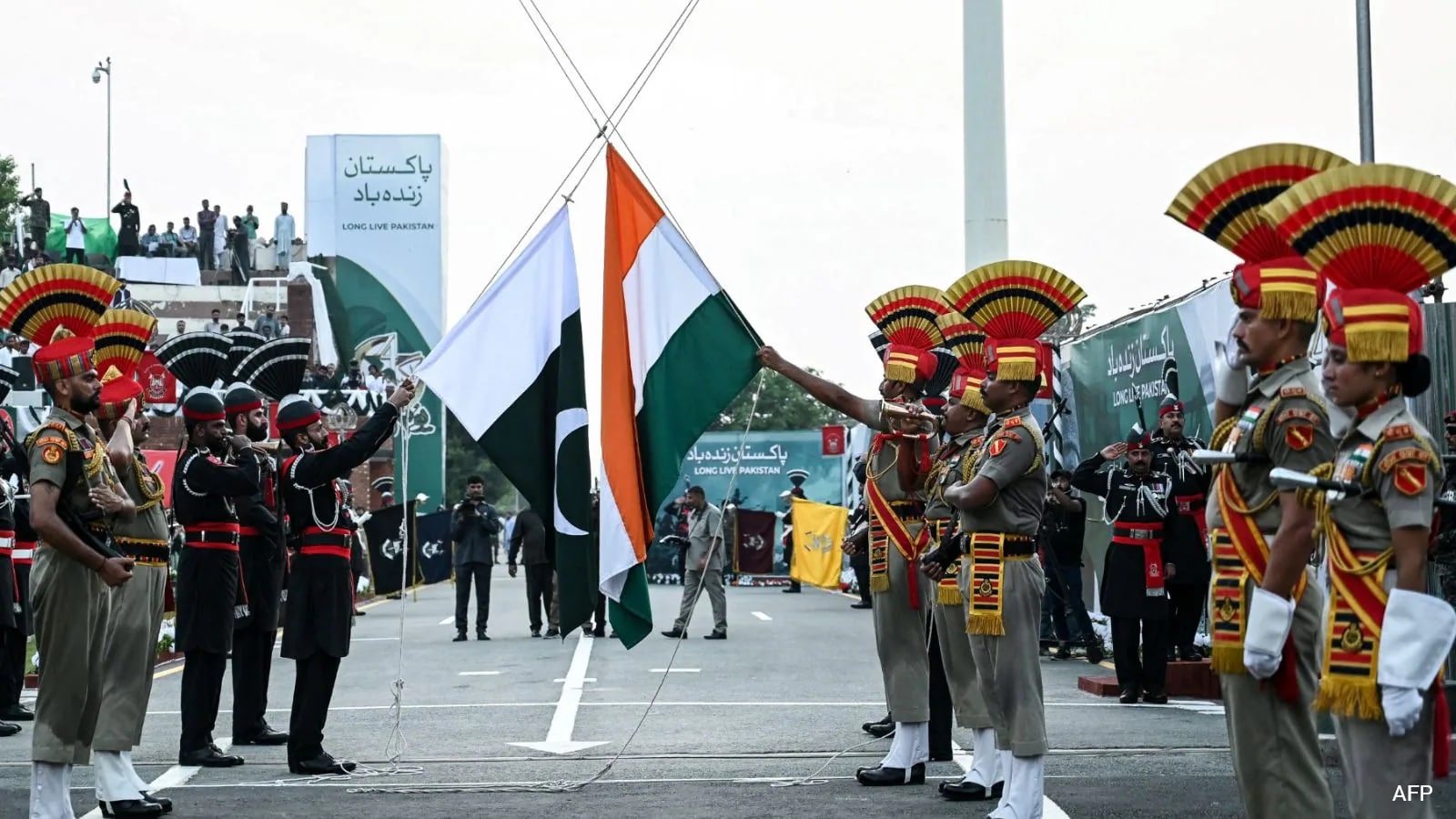
Long ago, in 1947, a line called the Radcliffe Line split a place called Punjab into two parts.
One part became part of India, and the other became part of Pakistan.
Many families had to leave their homes, and more than a million people lost their lives.
Even though the two countries are divided, the people share the same language, Punjabi, and the same songs and poems.
In Pakistan, schools and leaders often pushed people to speak Urdu instead of Punjabi.
Some people felt that Punjabi was being forgotten and treated as unimportant.
Brave people like Ahmad Raza Punjabi started groups, like Punjabi Parchar, to protect the language.
They even won court cases that said schools cannot ban Punjabi.
Singers like Nusrat Fateh Ali Khan and Sidhu Moosewala are loved on both sides of the border.
Even today, speaking Punjabi makes people on both sides feel like one big family.

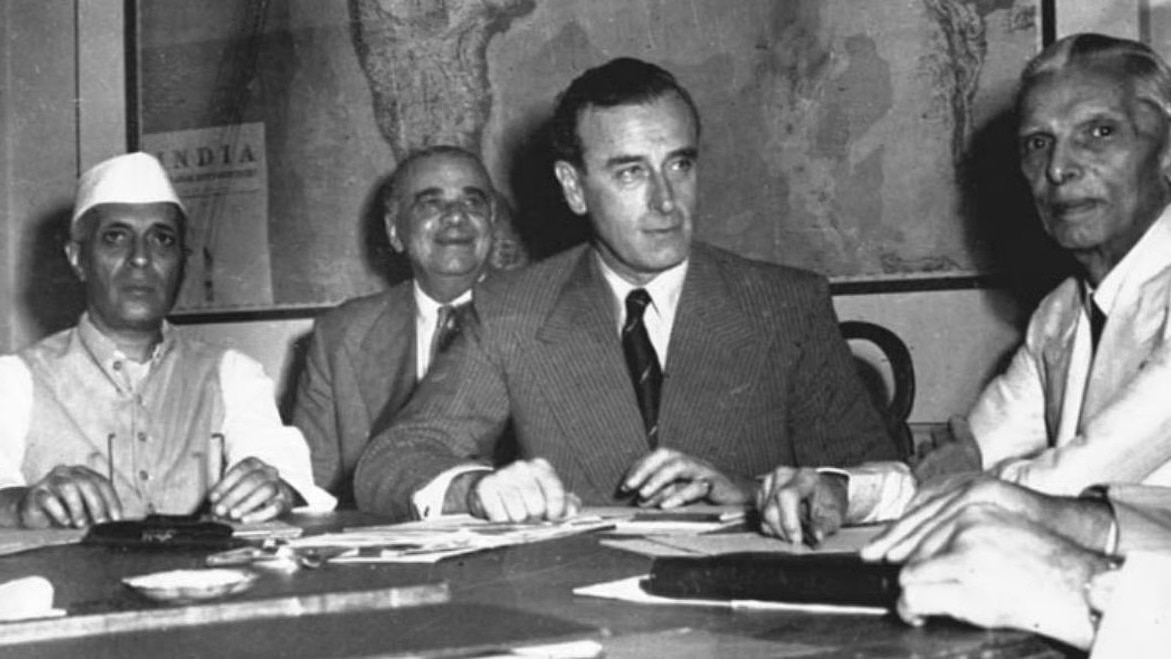
The Radcliffe Line, published on August 17, 1947, divided Punjab between India and Pakistan, leaving Pakistan the larger share of agricultural land with Lahore as its centre.
Partition displaced as many as 12 million Punjabis and claimed over a million lives, splitting a shared Punjabi identity.
In Pakistan, activists say Punjabi has declined over five decades because state and private media deliberately promoted Urdu over local languages.
A February 2019 Lahore High Court ruling directed the government to make Punjabi a compulsory school subject, following an earlier 2016 ruling that schools could not ban Punjabi.
Despite border tensions, cultural icons such as Ustad Nusrat Fateh Ali Khan, Gurdas Maan, Karan Aujla and Sidhu Moosewala remain beloved on both sides of the border.
- Who
- Pakistani Punjabis, including activists such as Ahmad Raza Punjabi, president of Punjabi Parchar; citizens like Tayyab Saleem of Sialkot; and provincial leaders such as Punjab Chief Minister Maryam Nawaz and Education Minister Rana Sikandar Hayat.
- What
- The ongoing struggle to preserve Punjabi language and culture ('Punjabiyat') in Pakistan, where state media and policymakers have long promoted Urdu over regional languages and where Punjab Assembly resolutions now support the language.
- Where
- The Punjab region divided by the Radcliffe Line between India and Pakistan, centring on cities including Lahore, Amritsar and Sialkot.
- When
- Ongoing today, with roots in the Partition of 1947; key recent milestones include the 2016 school-ban ruling, the 2018 recognition of Punjabi Culture Day, and the February 2019 court order.
- Why
- Because many Pakistani Punjabis have been pushed to abandon Punjabi in favour of Urdu, prompting activists and citizens to defend their mother tongue and cultural identity.
Punjabi language activists
Urdu-first state policy
National language policy
Punjabi language activists
State and private media — including major newspapers such as Jang and Nawaiwaqt — followed 'a single agenda' to promote Urdu, deliberately suppressing the identities, nationalism, culture and language of local people.
Urdu-first state policy
Urdu is upheld as the national language, and Punjabi is discouraged in official settings, including a Pakistani Parliament speaker's directive that a leader switch from Punjabi to Urdu.
Government promises versus action
Punjabi language activists
Leaders such as Maryam Nawaz and Rana Sikandar Hayat have made statements and promises about Punjabi, but 'most promises have not translated from paper to ground reality.'
Urdu-first state policy
Provincial leaders have passed Punjab Assembly resolutions and committed to introducing Punjabi and Shahmukhi instruction into the official school curriculum.
Punjabi in schools
Punjabi language activists
A 2016 school circular barred students from using 'foul language and Punjabi,' stigmatising the mother tongue and prompting activists to file a writ petition.
Urdu-first state policy
The private school system defended restrictions on students' use of Punjabi, but courts ultimately ruled that no educational institution could ban the language.
Key facts
- Radcliffe Line published
- August 17, 1947
- Punjabis displaced by Partition
- As many as 12 million
- Lives lost during Partition
- Over 1 million
- Population of Pakistani Punjab
- Estimated 120 million
- Active champions of Punjabi language
- Fewer than 10 million
- Growth of public engagement
- From est. 0.1% to 4-5%
- Landmark court ruling
- Feb 2019: make Punjabi a compulsory school subject
- Punjabi Culture Day
- 1st of Chet (March 13-14), recognised in 2018
Quotes
Unnamed Parliament Leader
Pakistani parliamentarian challenging a directive to switch from Punjabi to Urdu
“The state of Punjabiyat in Pakistani Punjab has been in a very poor condition. Over the last five decades, the Punjabi language has suffered a significant decline.”
 NDTV
NDTV
“Regarding the Punjabi language, I feel it is not just a language -- it is our identity, our soul, and the fragrance of our soil.”
NDTV
Sources
Related news
Learning Shahmukhi Preserved a Sikh Grandfather’s Partition Memory
Kangana Ranaut Questions Bollywood's 'Love Affair' With Pakistan

Photo project explores how Partition reshaped Punjab border families
Cyril Radcliffe's five-week map carved India-Pakistan border, displacing millions

Indian Filmmakers and Writers Re-Engage with Pakistan Through Compassionate Art

Top 8 K-Dramas of 2025

Jang Ki-Yong and Ahn Eun-Jin's Intimate Scene on Dynamite Kiss Finale

2025 SBS Drama Awards Nominees Announced