1 week ago
Iraq’s Oil Exports Hit Bottleneck as Hormuz Traffic Slows
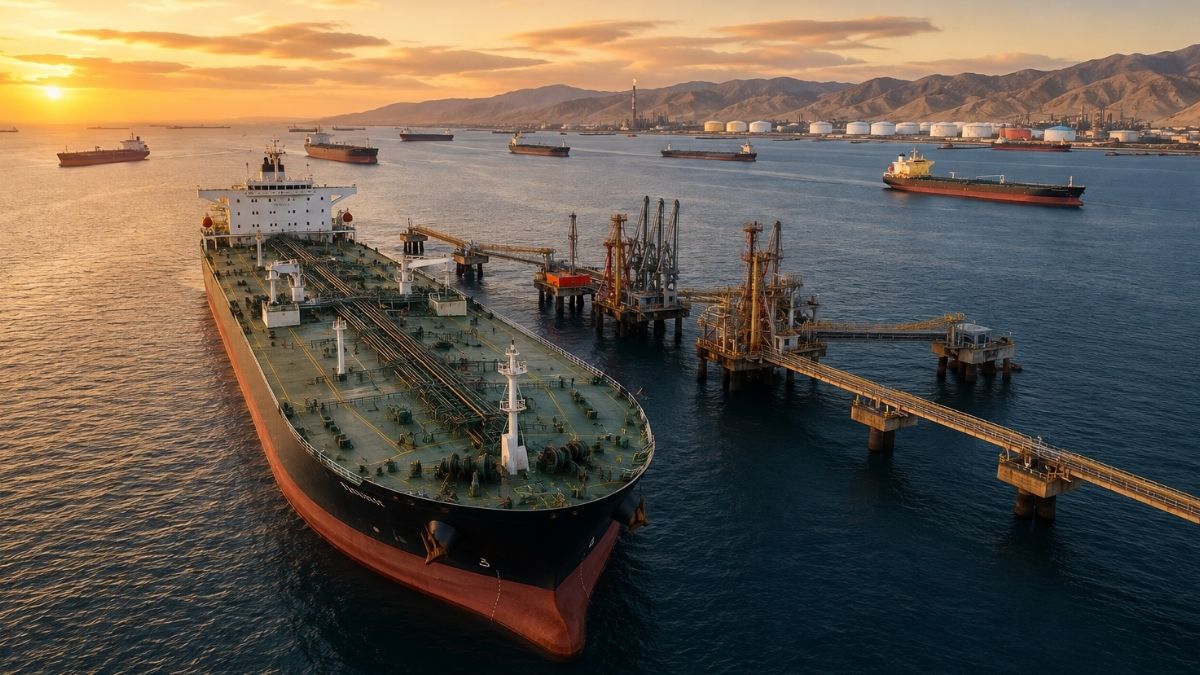
Iraq is producing more than 3 million barrels of oil each day.
However, it can currently ship only about 2.2 million barrels each day from its southern ports.
The missing shipping capacity is caused by heavy restrictions on traffic through the Strait of Hormuz.
This means Iraq has oil but is having trouble delivering it to buyers.
Iraq is looking for other ways to export oil, including a pipeline through Turkey.
Iran has allowed some Iraqi tankers to pass through Hormuz, giving Iraq limited help.
The United States is considering tougher sanctions against Iran, while Iran says diplomacy is the better answer.
Traders worry that more conflict or restrictions could reduce regional oil supplies and push prices higher.

Iraq’s oil production has exceeded 3 million barrels per day, while southern exports remain near 2.2 million barrels per day.
Restricted shipping through the Strait of Hormuz has created an export gap of at least 800,000 barrels per day.
Baghdad is seeking alternatives, including a stronger northern pipeline route through Turkey and limited tanker passage through Hormuz.
Iran has permitted several Iraqi oil tankers to cross Hormuz, but the decision has not resolved the wider shipping constraint.
Oil markets remain concerned about prolonged Middle East disruptions, with Morgan Stanley forecasting Brent crude could reach $100 a barrel in the fourth quarter.
- Who
- Iraq is trying to export its crude, while Iran, the United States, traders and regional shipping operators are involved in the wider disruption.
- What
- Iraq faces an export bottleneck of at least 800,000 barrels per day because southern shipments are restricted despite production exceeding 3 million barrels per day.
- Where
- The bottleneck affects Iraq’s southern export terminals and shipping through the Strait of Hormuz; Iraq is also examining a northern route through Turkey.
- When
- The disruption was reported on Monday, with related developments cited from August 1, August 13, August 21, August 22 and August 24.
- Why
- Severely restricted traffic through Hormuz is limiting Iraq’s ability to move crude from its production fields to international buyers.
Diversification and diplomacy
Sanctions and pressure
How to keep oil moving
Diversification and diplomacy
Iraq is pursuing practical alternatives, including extending its pipeline agreement with Turkey, while Iran’s permission for some Iraqi tankers to cross Hormuz provides limited immediate relief.
Sanctions and pressure
The United States is considering tougher measures against Iran, which supporters say could pressure Tehran but could also further disrupt regional oil exports.
Response to the regional crisis
Diversification and diplomacy
Iranian President Masoud Pezeshkian has called for a diplomatic solution, and Pakistan’s army chief traveled to Tehran for mediation talks.
Sanctions and pressure
Scott Bessent has threatened what he called the “toughest sanctions in history,” while Donald Trump has threatened sanctions against countries and companies trading with Iran.
Risk to oil supplies
Diversification and diplomacy
Alternative routes and negotiated passage could help prevent Iraq’s production from becoming stranded by the Hormuz disruption.
Sanctions and pressure
Analysts warn that an embargo, a tighter naval blockade or retaliatory attacks on oil infrastructure could reduce regional supplies and push prices higher.
Key facts
- Iraqi production
- More than 3 million barrels per day.
- Southern exports
- About 2.2 million barrels per day.
- Export gap
- At least 800,000 barrels per day between production and southern exports.
- Hormuz significance
- The Strait of Hormuz normally carries about one-fifth of global oil supplies.
- Recent vessel traffic
- Fewer than 20 commodity vessels crossed Hormuz over the weekend, according to shipping data cited by Reuters.
- Oil prices on Monday
- Brent fell to $92.84 a barrel and West Texas Intermediate fell to $85.02 a barrel at 0911 GMT.
- Iraq’s production target
- Iraq aims to reach between 8 million and 10 million barrels per day within six years.
Sources
Related news
Iran Allows Iraqi Oil Tankers Through Strait Amid Disruption
BPCL Risks Strait of Hormuz to Bring Iraqi Crude

US says Hormuz oil flows higher than tracked
EIA warns Hormuz disruptions will keep pressure on oil markets

Hormuz traffic dwindles as markets watch Iran-Oman talks

US Oil Flows Continue as Strait of Hormuz Faces Disruption

Iran Seizes Fuel-Smuggling Vessel in Gulf, Arrests 11 Crew

Trump Floats Renaming Strait of Hormuz as “Trump Strait”

Chevron Plans $7 Billion Venezuela Expansion Amid U.S. Oil Push
Saudi Tanker Hit in Hormuz, Killing Two Filipino Sailors
U.S.-Iran Exchange Escalates Across Middle East, Markets Slide