2 hrs ago
Nana Patekar Films Offer Lessons on Protest and Accountability
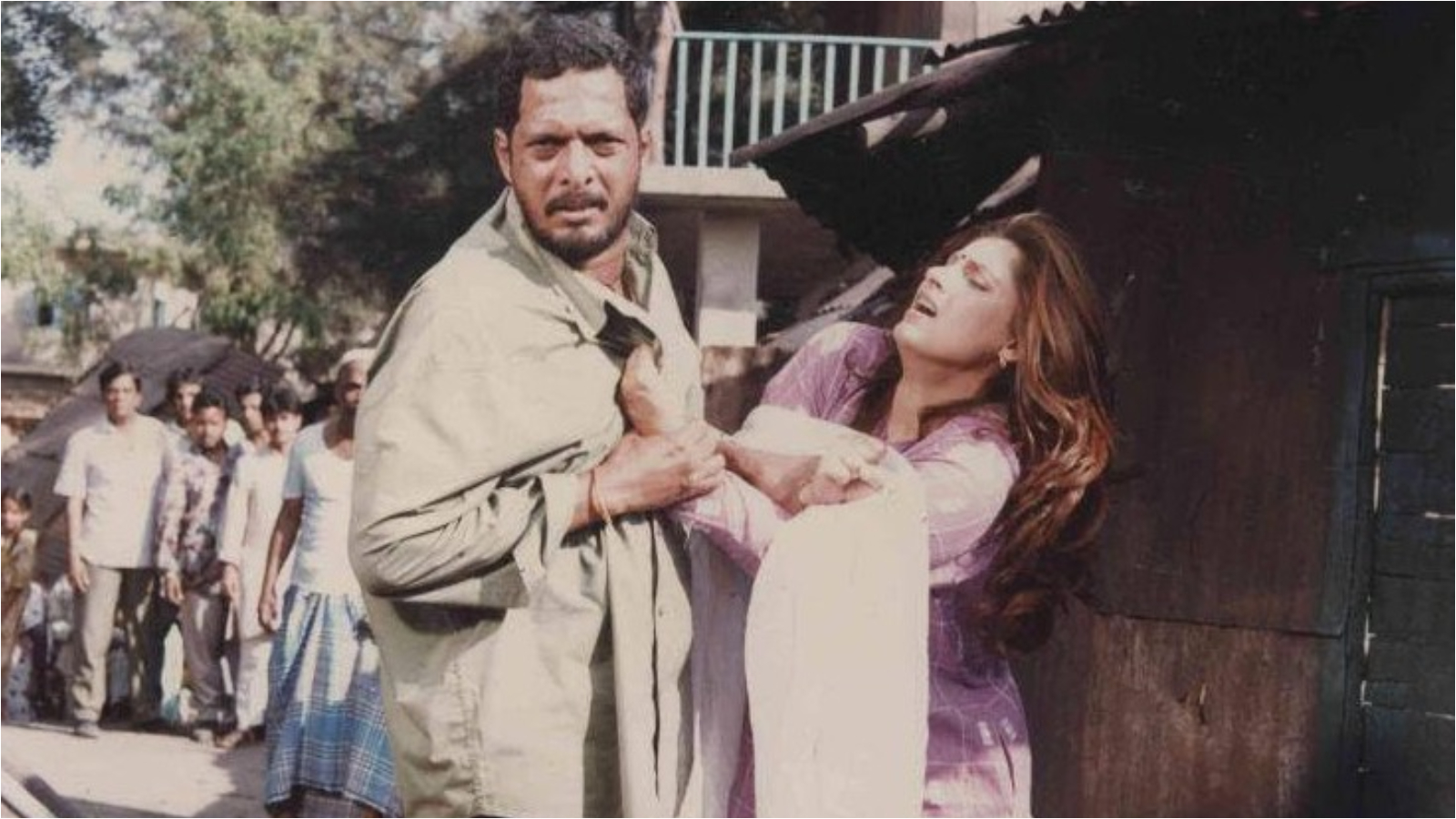
Nana Patekar has played many characters who get angry when people in power seem unfair.
The article says those stories can help us think about protests and police, but movies are not real-life solutions.
People protesting should be allowed to raise concerns peacefully.
Police can keep people safe, but they should explain restrictions and treat people fairly.
The Election Commission says updating voter lists is necessary, while critics worry some voters may be left out.
The article says both claims should be checked carefully.
It suggests publishing information about changes to voter lists and explaining decisions about protests in writing.
In a democracy, anger can start a conversation, but evidence and fair processes are needed to resolve disputes.

The article draws lessons about authority and dissent from four Nana Patekar films.
Critics question voter inclusion and accountability in electoral-roll revisions; the Election Commission says updates are necessary.
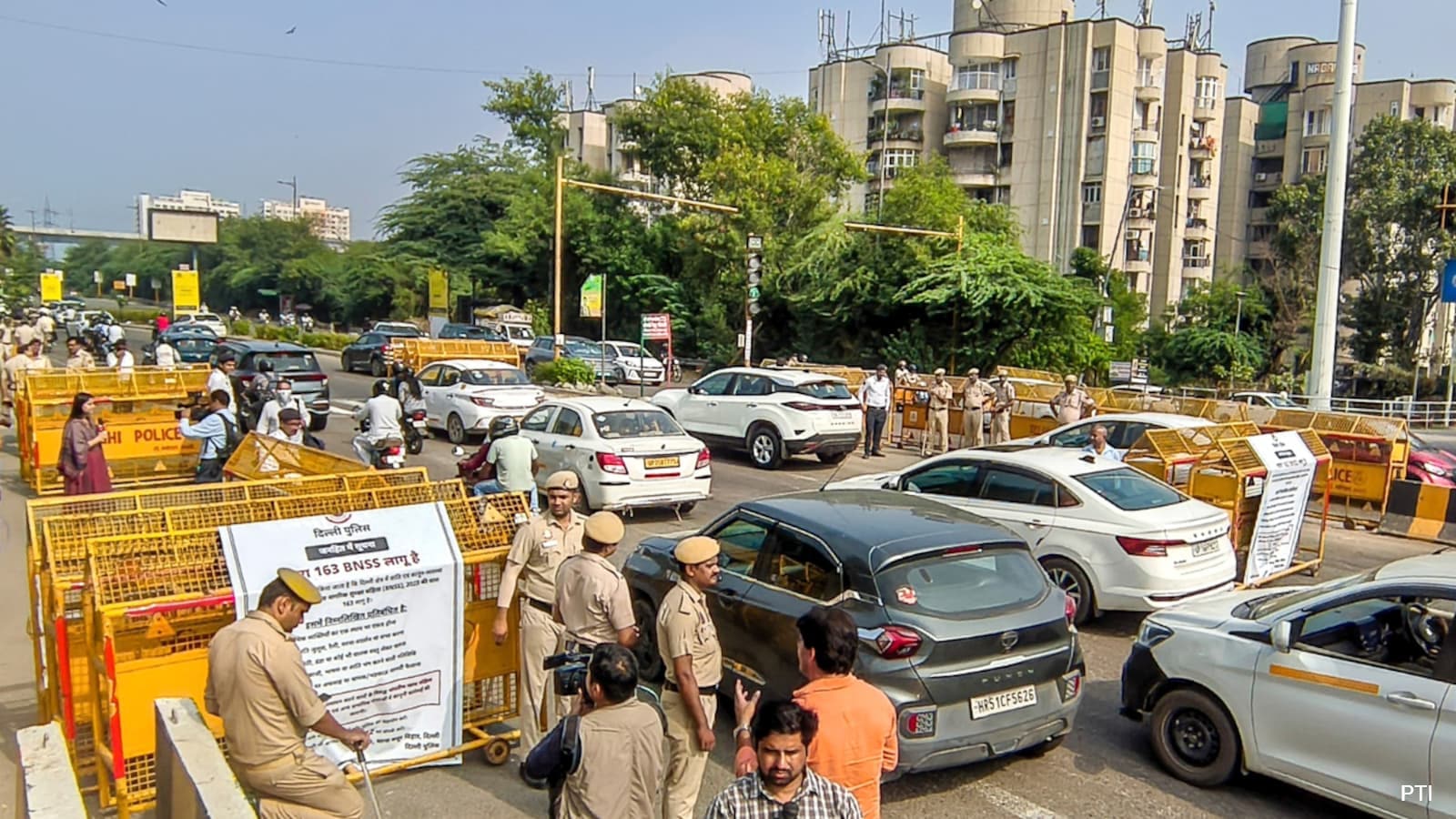
Protest organisers say they submitted an intimation to Delhi Police, while reports differ on whether the gathering was allowed.
Maharashtra police call notices to volunteers routine and preventive; the group alleges they were pressed not to travel.
The writer calls for evidence-based scrutiny, proportionate policing and transparent processes for electoral rolls and protests.
- Who
- Jantar Mantar protest organisers and protesters, Delhi Police, Maharashtra police, and the Election Commission; the article is written by Bijetri Pathak.
- What
- An opinion article uses Nana Patekar films to consider protest, policing, electoral accountability and the need for democratic processes.
- Where
- Jantar Mantar in Delhi; the article also discusses Maharashtra police and India’s democratic institutions.
- When
- The article refers to ongoing protests and discusses films released from 1991 to 2010.
- Why
- To argue that public anger can expose concerns but must be followed by evidence, fair procedures and accountable institutions.
Protesters and critics
Authorities and institutional defenders
Electoral-roll revision
Protesters and critics
Critics have raised concerns about voter inclusion and institutional accountability.
Authorities and institutional defenders
The Election Commission defends the revision as necessary to update electoral rolls.
Protest arrangements
Protesters and critics
Organisers say they submitted an intimation, not a request for permission; the group also alleges Maharashtra police tried to dissuade volunteers from travelling.
Authorities and institutional defenders
Reports differ on whether the gathering was allowed. Maharashtra police describe their notices as routine and preventive.
Public order and dissent
Protesters and critics
Citizens have a right to dissent, and restrictions on demonstrations should be justified, proportionate and open to challenge.
Authorities and institutional defenders
Police have a legitimate responsibility to maintain public order, and protesters must act peacefully and follow lawful directions.
Key facts
- Central subject
- How Nana Patekar films illuminate protest, policing and democratic accountability
- Film
- Krantiveer (1994)
- Other films discussed
- Prahaar (1991), Ab Tak Chhappan (2004) and Raajneeti (2010)
- Protest location
- Jantar Mantar, Delhi
- Protest demand
- Resignation of Chief Election Commissioner Gyanesh Kumar
- Electoral-roll dispute
- Critics cite concerns about voter inclusion and accountability; the Election Commission says the revision is needed to update the rolls.
- Proposed accountability measures
- Publish roll-revision data and reasons for deletions for independent audit, and issue timely written decisions on assemblies.
Sources
Related news
India Debate: Do Voters Matter When Leaders Face Questions?
Nana Patekar’s Film Dialogues Still Reflect India’s Unresolved Tensions

Readers Debate Modi's Record, Election Row and Artists' Legacy

Nana Patekar Dies, Remembered for Memorable Political Film Roles
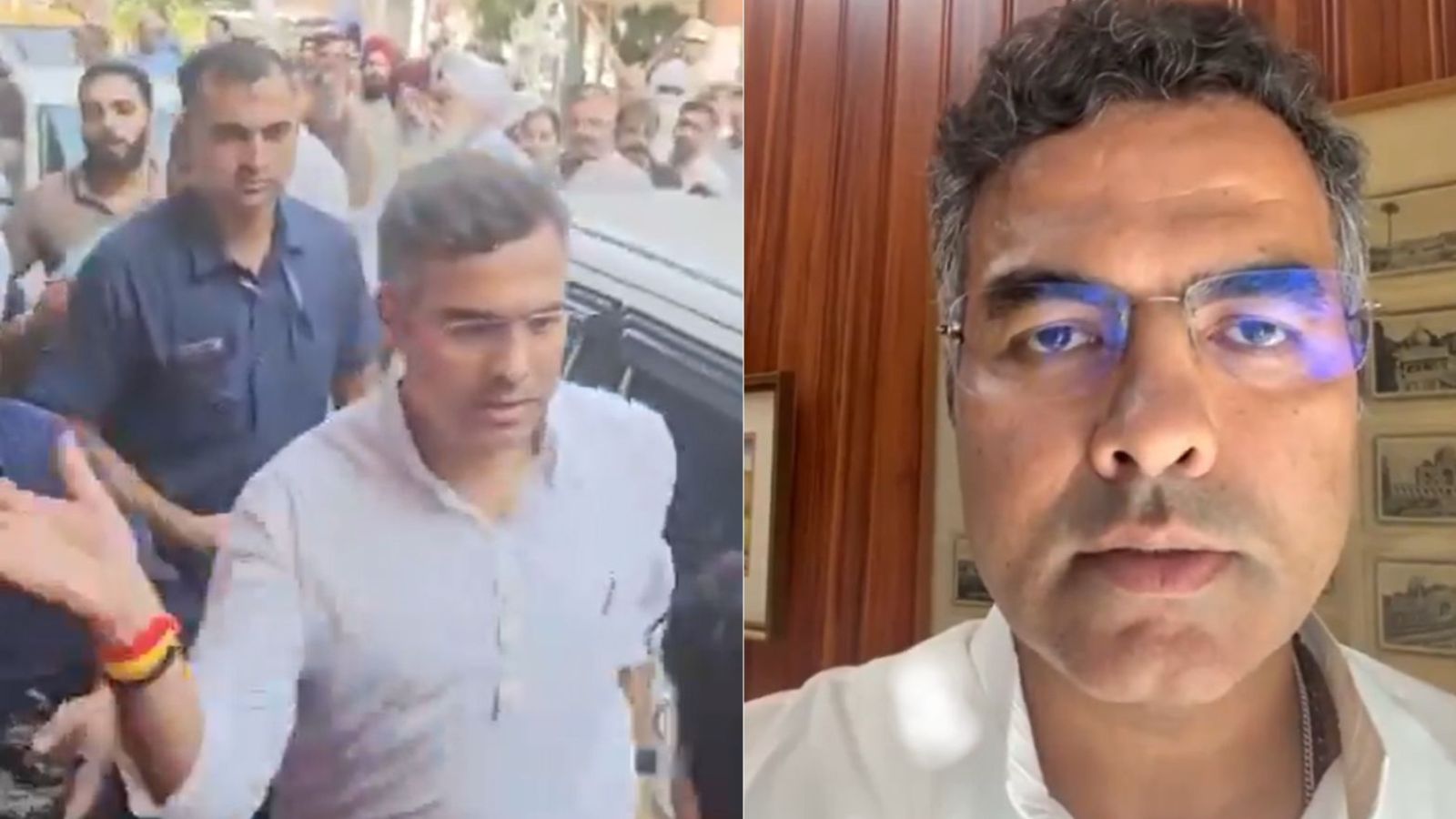
Slap, insult, and civic restraint: India’s challenge to public rage
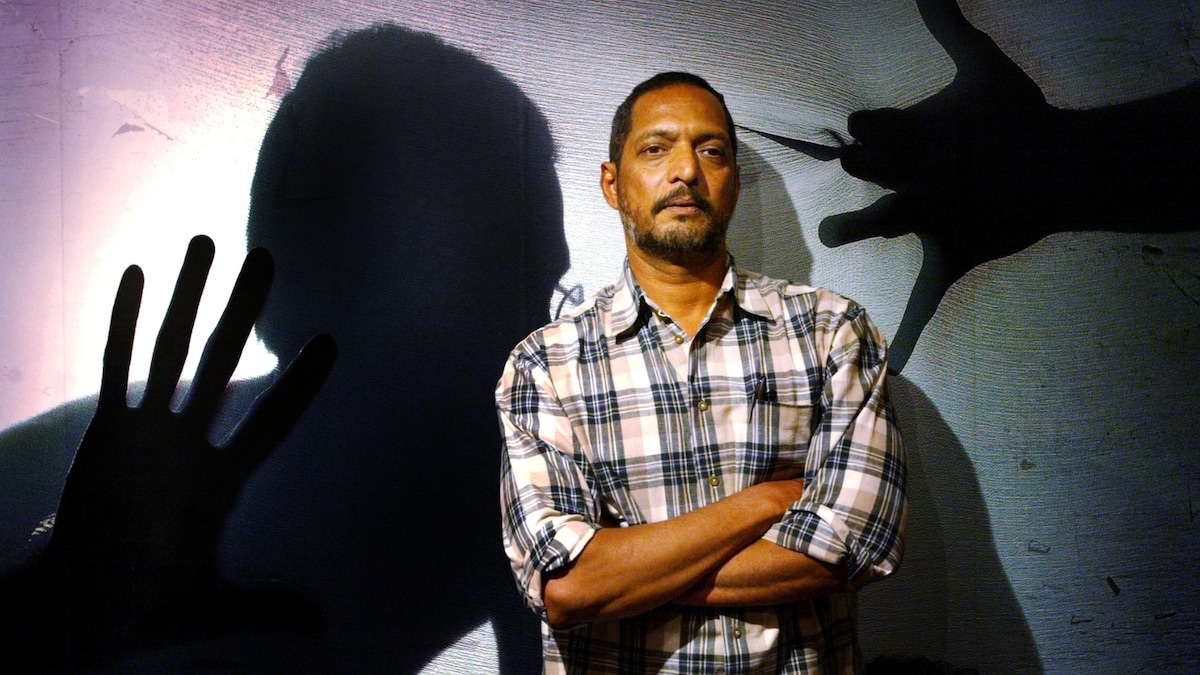
Remembering Nana Patekar, the Irreverent Star With Many Contradictions

Tushar Gandhi Detained Ahead of Mumbai Protest Backing CJP
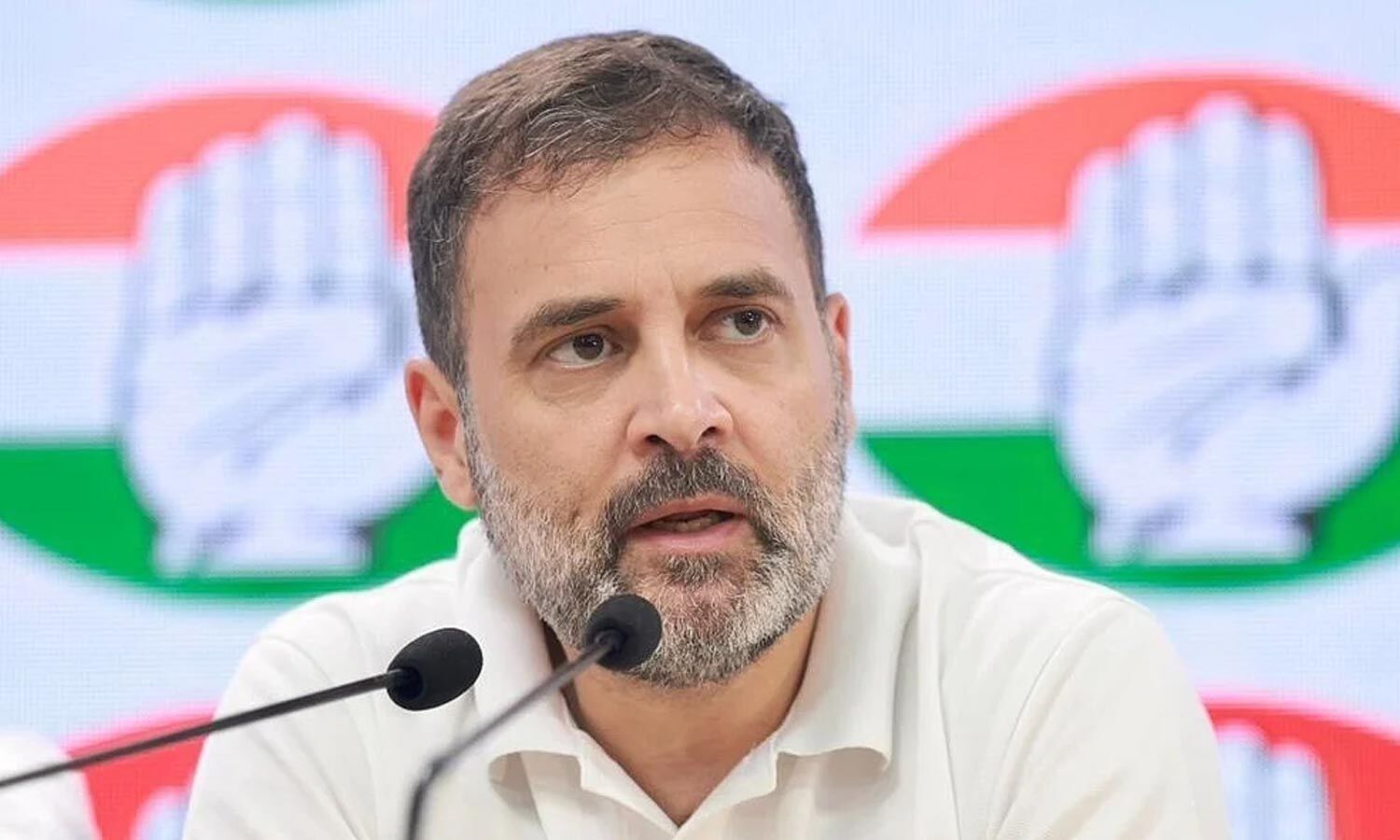
Rahul Gandhi Predicts Modi Government Will Fall Amid Protests
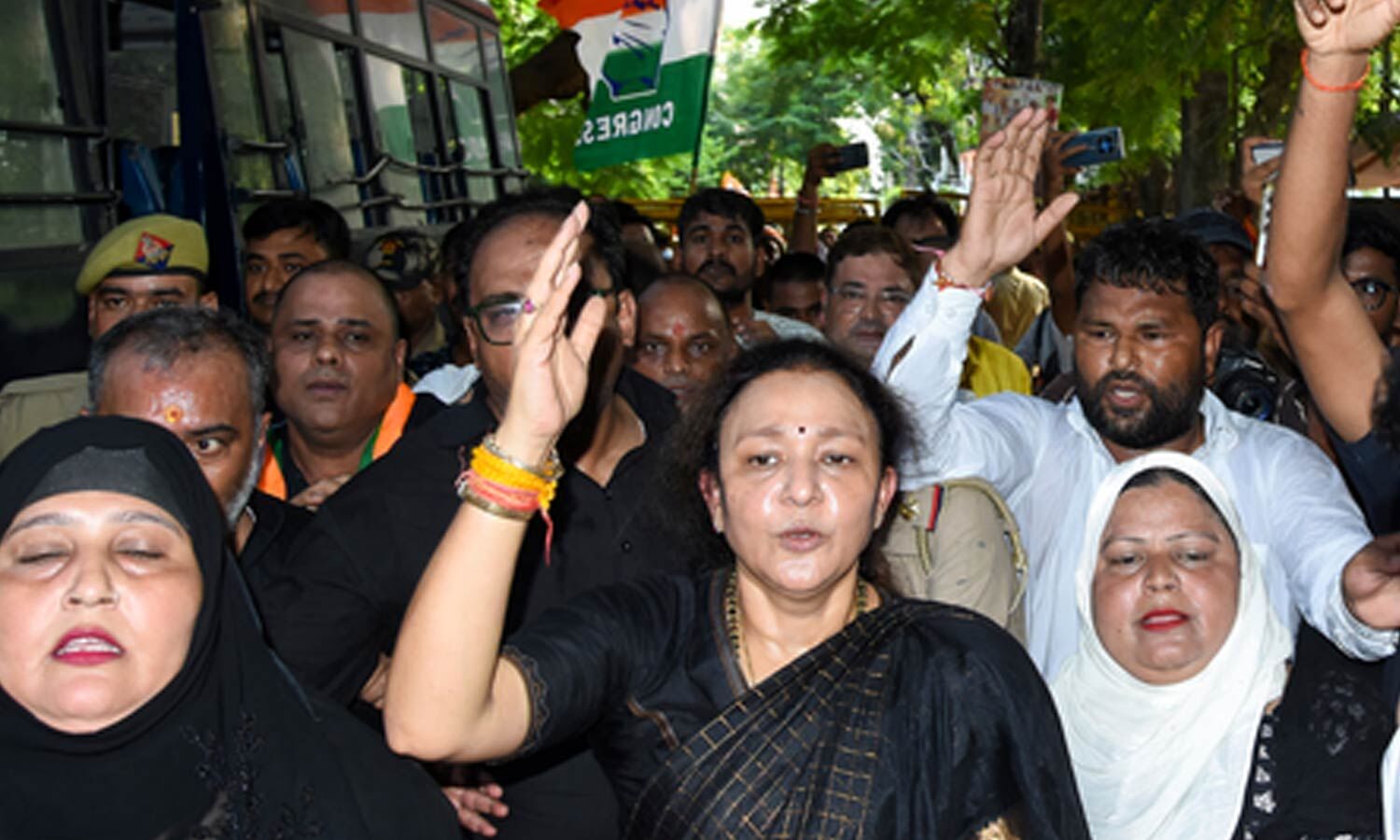
Opposition Leaders Back CJP Protest, Cite Electoral Concerns
Scroll Reporter Detained While Covering Protest Against Election Chief

Police Bolster Security at Dipke’s Maharashtra Home