2 weeks ago
UP judge hands down 22 death sentences in 10 cases

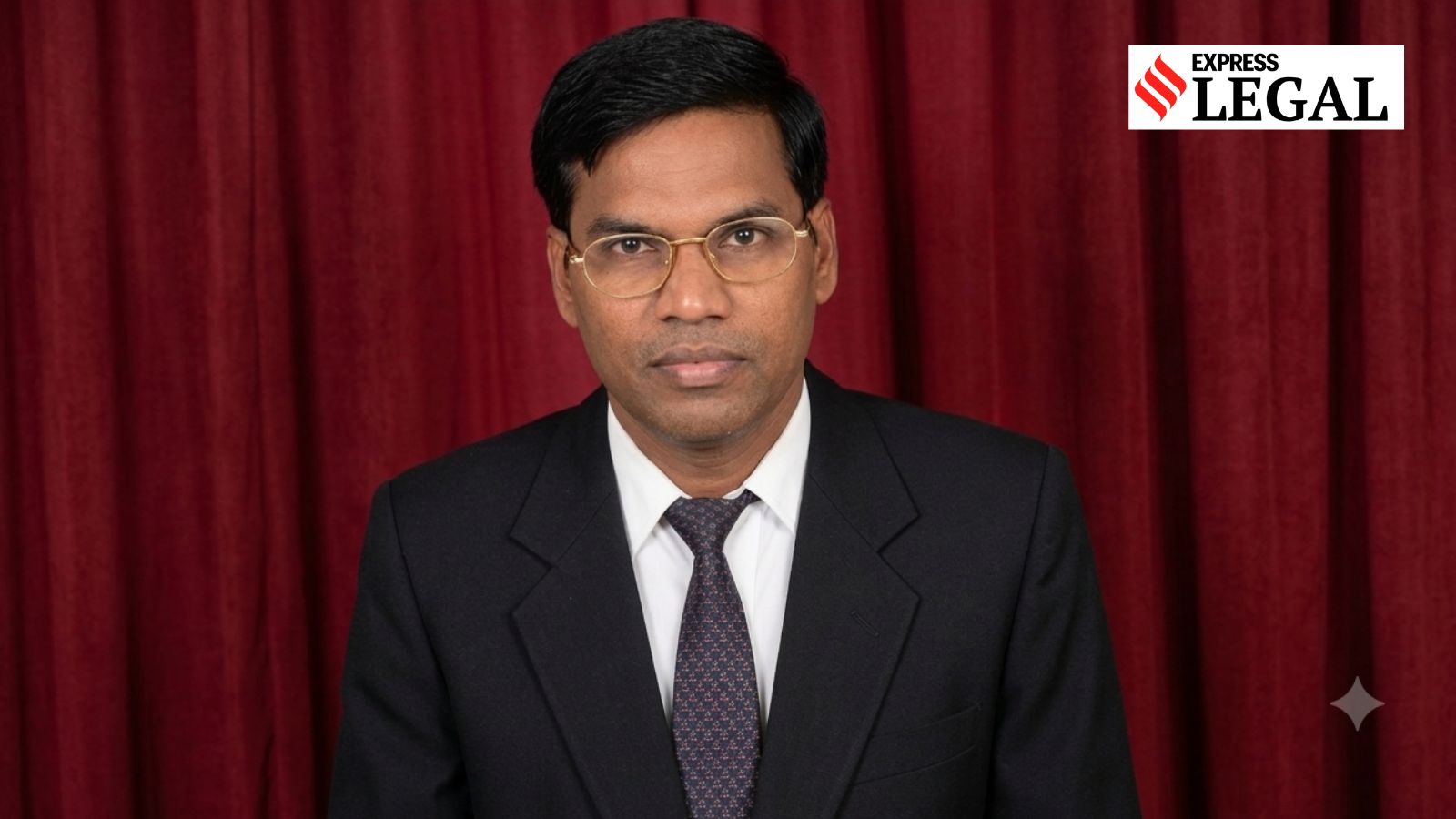
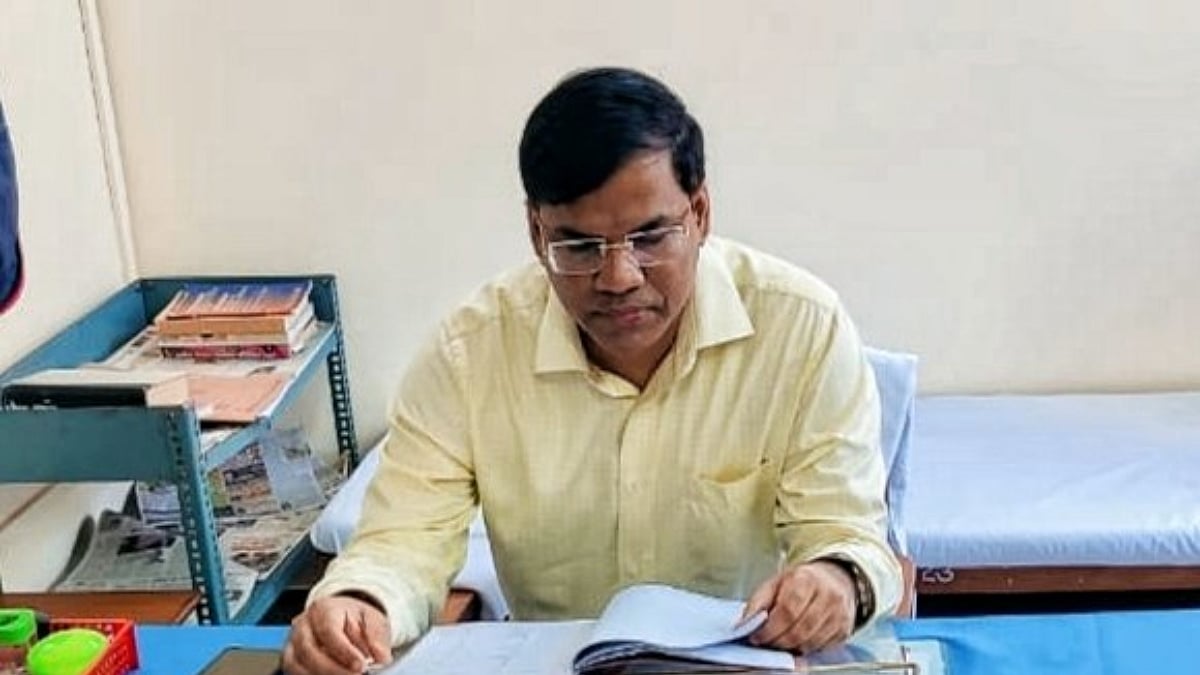
A judge in India named Ravi Kumar Diwakar has been very busy.
In just four months, he gave the death penalty to 22 people.
The death penalty is the most serious punishment a court can give.
The people he punished were found guilty of very serious crimes, like kidnapping and murder.
Some of the crimes happened many years ago.
The judge said some of these cases were 'rarest of rare,' which means they were especially terrible.
Not everyone agrees with giving so many death sentences.
Some people say judges should think very carefully before giving this punishment.
Others say the families of victims feel like they got justice.
The death sentences cannot happen right away — a higher court has to check and approve them first.

Additional District and Sessions Judge Ravi Kumar Diwakar sentenced 22 people to death in 10 cases between April 6 and August 13, 2026.
The cases included the kidnapping and murder of lawyer Mohammad Sameer, the murder of home guard Ratiram, and highway robbery and murder.
Diwakar has now handed down 35 death sentences in total, including 13 during his earlier posting in Bareilly.
A lawyer quoted by TOI questioned the pace of verdicts, saying death sentences should follow 'much deliberation' under the 'rarest of rare' doctrine.
Under Section 407(1) of the Bharatiya Nagarik Suraksha Sanhita, the death sentences require high court confirmation before they can be carried out.
- Who
- Additional District and Sessions Judge Ravi Kumar Diwakar of a fast-track court in Muzaffarnagar, Uttar Pradesh
- What
- Sentenced 22 people to death in 10 cases over four months, covering offences such as kidnapping and murder, murder of a home guard on duty, and highway robbery and murder.
- Where
- Muzaffarnagar, Uttar Pradesh, India
- When
- Between April 6 and August 13, 2026
- Why
- The convicts were found guilty of serious offences, with the court applying the 'rarest of rare' doctrine to justify the maximum punishment.
Critics of the verdicts
Supporters of the verdicts
Pace and application of the 'rarest of rare' doctrine
Critics of the verdicts
A lawyer quoted by TOI said death sentences should be awarded only after 'much deliberation' and with the 'rarest of rare' principle in mind, with the pace and number of verdicts raising questions.
Supporters of the verdicts
Prison rights activist Nadir Rana said the verdicts gave victims' families 'a sense of justice' and strengthened their faith in the judiciary.
Key facts
- Judge
- Ravi Kumar Diwakar
- Court
- Fast-track court, Muzaffarnagar, Uttar Pradesh
- Death sentences
- 22 in 10 cases
- Period
- April 6 – August 13, 2026
- Total death sentences by Diwakar
- 35 (13 in Bareilly, 22 in Muzaffarnagar)
- Notable earlier case
- Ordered videographic survey of Gyanvapi mosque complex in 2022
- Confirmation required
- High court under Section 407(1) of BNSS
- Fines imposed
- ₹1.10 lakh and ₹1.70 lakh in two cases
Quotes
TOI‑quoted lawyer
An unnamed lawyer cited by The Times of India
“"Death sentences should be awarded only after 'much deliberation' and with the principle in mind."”
 livemint.com
Nadir Rana
Prison rights activist
“"The verdicts had given victims' families 'a sense of justice' and strengthened their faith in the judiciary."”
livemint.com
Sources

Related news
100 Murder Cases Shifted After UP Judge’s 22 Death Sentences
UP Court Transfers 100 Cases After Judge’s 22 Death Sentences
Tahir Hussain Appeals Delhi High Court Life Sentence

Three sentenced to life imprisonment in 28-year-old Bareilly murder case

Delhi High Court admits appeals in Ankit Sharma murder case

Evening Digest: Lucknow Crime, Sajjan Kumar, Markets And More
UP Minister Visits Ankit Baliyan Family, Promises Strict Action
Ankit Balyan Murder Probe Examines Possible Gogi Gang Connection
Ram Gopal Yadav Attacks UP Law And Order
UP Police Kills Two Alleged Shooters in Baliyan Murder Case

Two Suspected Shooters Killed in Ankit Balyan Murder Encounter