7 hrs ago
Iran Executes Protester One Day After Phone Marriage
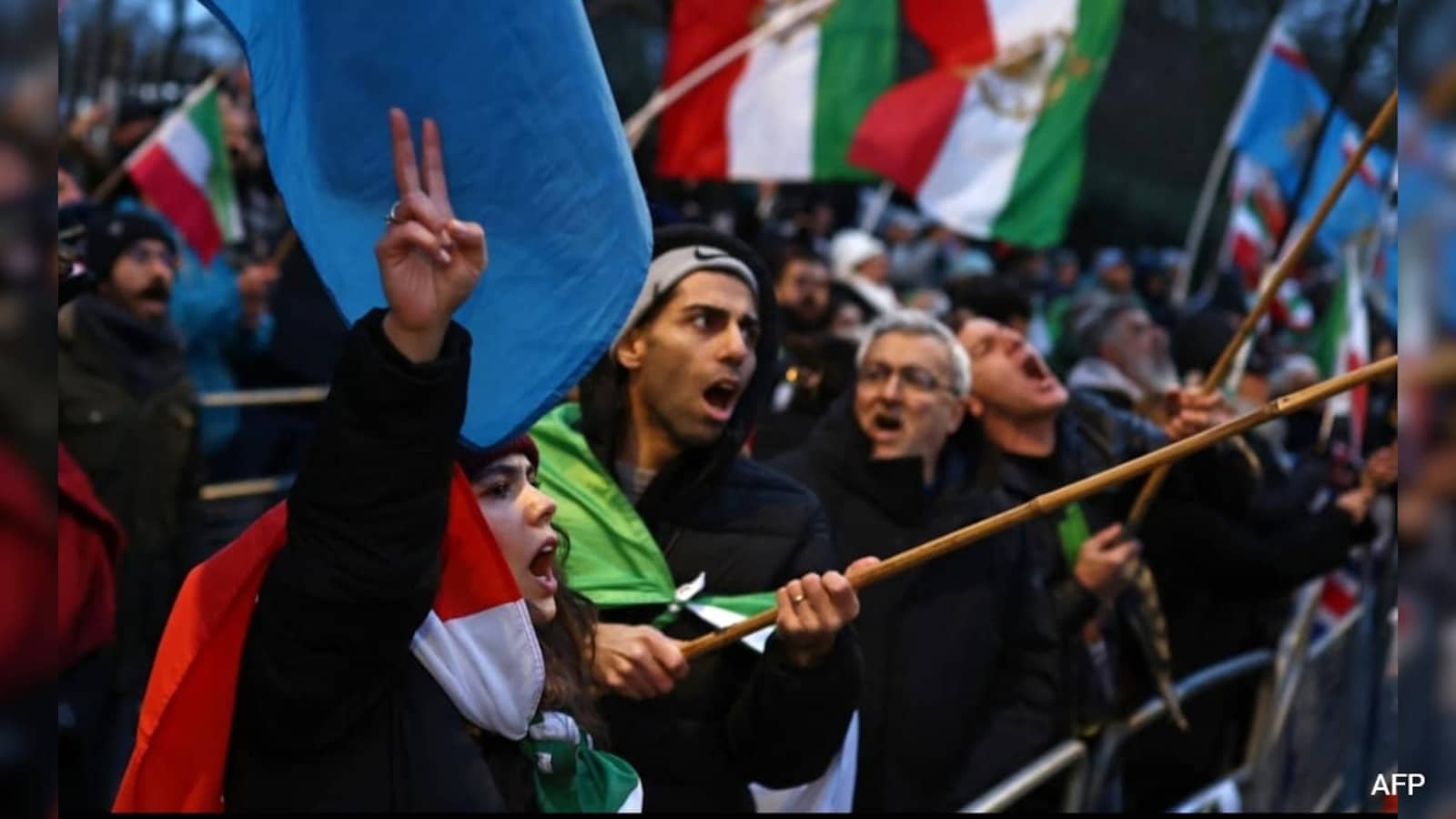
Alireza Sepahi was a young man in Iran who was arrested after protests.
He was sentenced to death along with another man over a protest where officials said four police officers were killed.
Rights groups said there were serious problems with how his case was handled.
Sepahi had been due to be executed in public in July, but he had a heart attack and was taken to a hospital.
He later returned to prison and remained afraid he would be killed.
The night before his execution, he married his fiancée, Mahshad Kashani, over a phone call arranged by their lawyer.
Prison officials did not let them meet in person.
Sepahi was executed the next morning, and his body was taken to another city for burial.

Alireza Sepahi, 25, was executed at Isfahan’s central prison on October 5, according to the report.
Sepahi and Alireza Raissi, 21, were convicted over a January 8 protest in Isfahan where authorities said four police officers were killed.
Rights groups said Sepahi’s case had serious procedural flaws, including the courts’ disregard of defence evidence said to place him elsewhere.
On the eve of his execution, Sepahi married his jailed fiancée, Mahshad Kashani, in vows conducted by telephone by their lawyer.
Sepahi had previously been scheduled for a public execution in July but suffered a heart attack shortly beforehand; authorities later executed him in prison.
- Who
- Alireza Sepahi, 25, and Alireza Raissi, 21; Sepahi’s fiancée, Mahshad Kashani, was also jailed over the protests.
- What
- Sepahi was executed after marrying Kashani by telephone the previous day.
- Where
- Isfahan central prison, in Isfahan, Iran; the marriage was conducted by telephone between separate prisons.
- When
- October 5; the phone marriage took place the eve of the execution. The report does not specify the year.
- Why
- Authorities said Sepahi and Raissi were convicted of membership in an armed group and endangering national security over a January 8 protest; rights groups cited flaws in Sepahi’s trial.
Rights groups and UN expert
Iranian authorities
Sepahi’s conviction and trial
Rights groups and UN expert
Rights groups said the case had serious procedural flaws, including disregard for defence evidence, and cited footage they said showed Sepahi was not at the incident.
Iranian authorities
The judiciary’s Mizan agency said Sepahi and Raissi were convicted of membership in an armed group and endangering national security.
Marriage and access to each other
Rights groups and UN expert
Sepahi’s lawyer arranged a phone ceremony with Kashani; Roya Boroumand said prison officials prevented an in-person meeting and that authorities claimed she was not related to him.
Iranian authorities
Prison officials did not permit the couple to meet in person before the execution.
Key facts
- Sepahi’s age
- 25
- Execution date
- October 5; year not specified in the report
- Other executed prisoner
- Alireza Raissi, 21
- Protest linked to case
- January 8 in Alikhani Square, Isfahan
- Authorities’ reported death toll at protest
- Four police officers
- Wedding
- Sepahi and Mahshad Kashani exchanged marriage vows by telephone on the eve of his execution
- Earlier execution date
- Sepahi was scheduled for a public execution on July 28, but suffered a heart attack shortly beforehand
- Body transferred
- His body was taken to Kashan, about 200 kilometres from Isfahan, according to the UN special rapporteur
Quotes
Roya Boroumand
Co-founder of the Abdorrahman Boroumand Centre
“The lawyers hoped perhaps that the marriage could delay the execution. But the authorities claimed the fiancee was not related to the prisoner and prevented an in-person ceremony.”
 NDTV
NDTV
“They were married but in absentia. There has been a legal act, but it did not happen inside the prison in the presence of the two individuals.”
NDTV
Mai Sato
UN special rapporteur on human rights in Iran
“But shortly before the scheduled execution, he suffered a heart attack and was transferred to hospital.”
NDTV
Sources
Related news

Iran Executes Young Rapper After Anti-Government Protest Arrest
Iranian Actress Sentenced to Year in Prison Over Protest Support

Iran Executes Man Accused of Sharing Missile Site Information

Pakistan Supreme Court Suspends Lawyer Couple’s Social Media Sentences
Kasim Khan Alleges Family Abductions Ahead of PTI Protest

Interfaith Couple’s Court Marriage Ends in Acquittal and Loss
Iran Detaining Protesters in Hospitals and Executing in Jails