2 days ago
Indexing at 50: Passive Investing’s Strengths and Limits
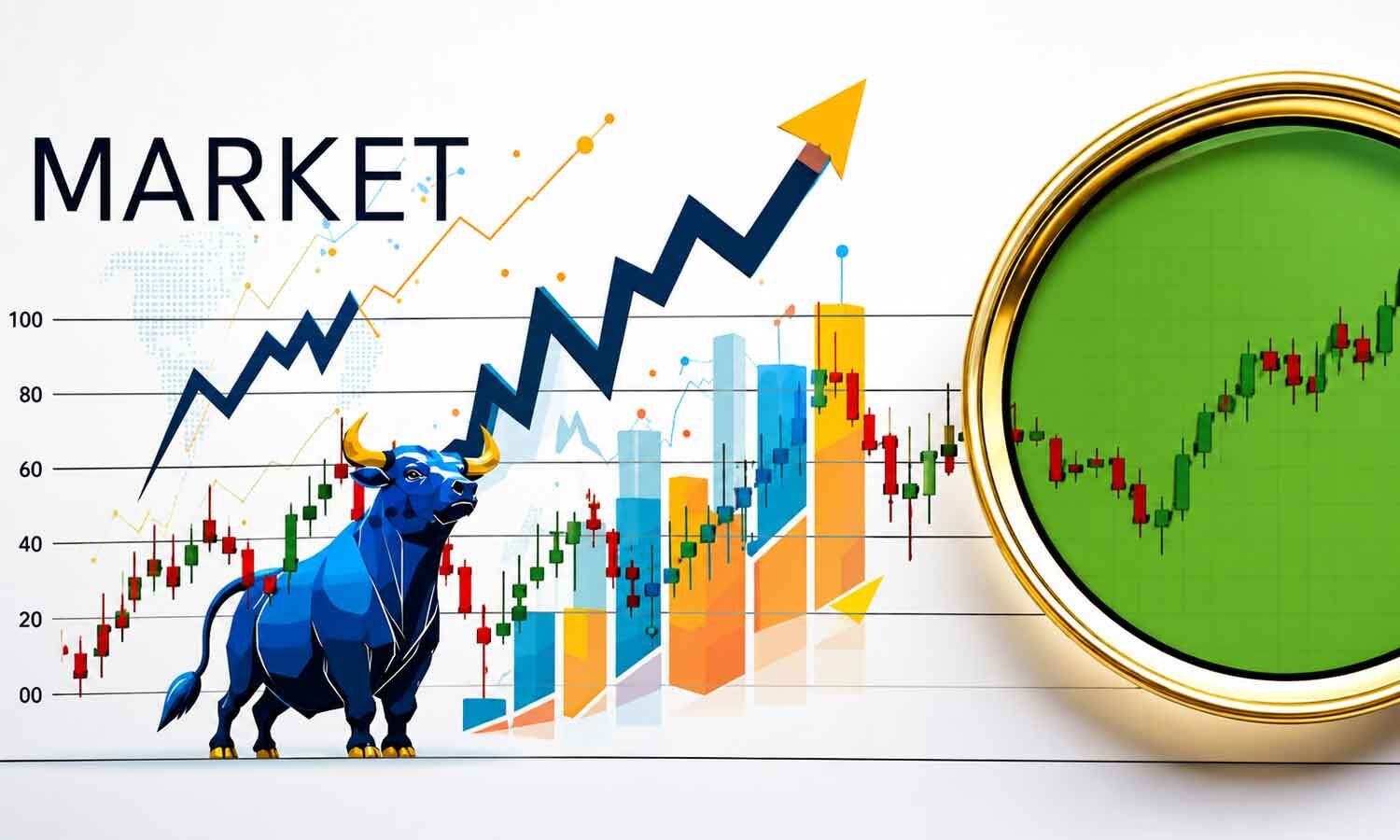
Index funds let people invest in many companies by following a market list.
John C. Bogle started the first publicly available S&P 500 index mutual fund in 1976.
Few people liked the idea at first, and the fund raised much less money than expected.
Over time, indexing became popular because it was convenient and usually inexpensive.
However, an index does not choose only the best companies.
It can put more money into companies after their prices have already risen.
It also stays invested during market downturns and cannot avoid expensive stocks.
The article says Indian investors should consider both index funds and carefully chosen active funds.

John C. Bogle launched the first publicly available S&P 500 index mutual fund in 1976 through Vanguard.
The fund raised $11.3 million against a $150 million target and initially held only 280 stocks.
Vanguard’s fund structure prioritized investors, eventually accumulating $1.67 trillion in assets and reducing investor costs.
Market-cap-weighted indexes can increase exposure to appreciated stocks and cannot avoid overvalued companies or bear markets.
The article argues that Indian investors may benefit from combining passive and active strategies across market segments.
- Who
- John C. Bogle launched the first publicly available S&P 500 index mutual fund through Vanguard.
- What
- The article examines the 50-year development of index investing and its advantages and limitations.
- Where
- The fund was offered through Vanguard; the discussion also focuses on Indian markets.
- When
- The fund was launched in 1976; the article marks its 50th anniversary on 31 August.
- Why
- Indexing offers a convenient, lower-cost way to invest, but it cannot avoid valuation, concentration, or market-wide risks.
Passive indexing
Active management
Investment selection
Passive indexing
Indexing follows preset rules and avoids the need to select a manager or predict individual winners.
Active management
A skilled stock picker can avoid mediocre businesses and identify future winners earlier.
Costs and judgment
Passive indexing
Passive funds can offer an economical and convenient approach while reducing manager-selection risk.
Active management
Removing manager risk also removes manager judgment, which may add value in inefficient or rapidly changing markets.
Market risk
Passive indexing
Index funds provide broad exposure and remain invested according to their benchmark, regardless of market conditions.
Active management
Active managers may avoid extreme valuations, bubbles, concentration risks, and some weak companies, although the article notes that many active funds have underperformed.
Key facts
- First fund launch
- John C. Bogle launched the first publicly available S&P 500 index mutual fund in 1976.
- Initial fundraising
- The fund raised $11.3 million against an initial goal of $150 million.
- Initial holdings
- The fund initially bought 280 of the S&P 500’s 500 stocks.
- Initial sales load
- The fund initially charged a sales load as high as 6 percent.
- Assets and savings
- The fund is described as having $1.67 trillion in assets and saving investors up to $570 billion through reduced costs by the end of 2025.
- Long-term example
- A $15,000 investment at launch could have grown to more than $3.6 million, according to the article.
- Indian large-cap performance
- The SPIVA India year-end 2025 report found that 76.3 percent of Indian large-cap funds underperformed their benchmarks over 10 years.
Quotes

John C. Bogle
Founder of Vanguard and pioneer of publicly available index mutual funds
“No Man Can Serve Two Masters”
 thehansindia.com
Sources
Related news
Index Funds Top 20% Returns, Yet Trail Benchmarks

Index funds vs active funds: choosing the right investment strategy

Index And Flexi-Cap Funds May Offer Less Diversification

India’s Passive Fund Assets Surge Fourfold Past ₹15 Lakh Crore

Why Indian Investors Are Choosing Index Funds Over ETFs

Kotak MF Flags Passive Investment Opportunities After Market Correction
AI Boom Prompts Rethink of Traditional Bear Market Measures

Apple Sets $3 Million Salary, $55 Million Award for Ternus

Apple Reveals New CEO John Ternus and Tim Cook Pay

Markets Seen Opening Flat as Global Risk Appetite Weakens

Wall Street Slides as Higher Yields and Oil Rise