3 hrs ago
Teaching in India’s Classrooms Can Prepare Tomorrow’s Leaders
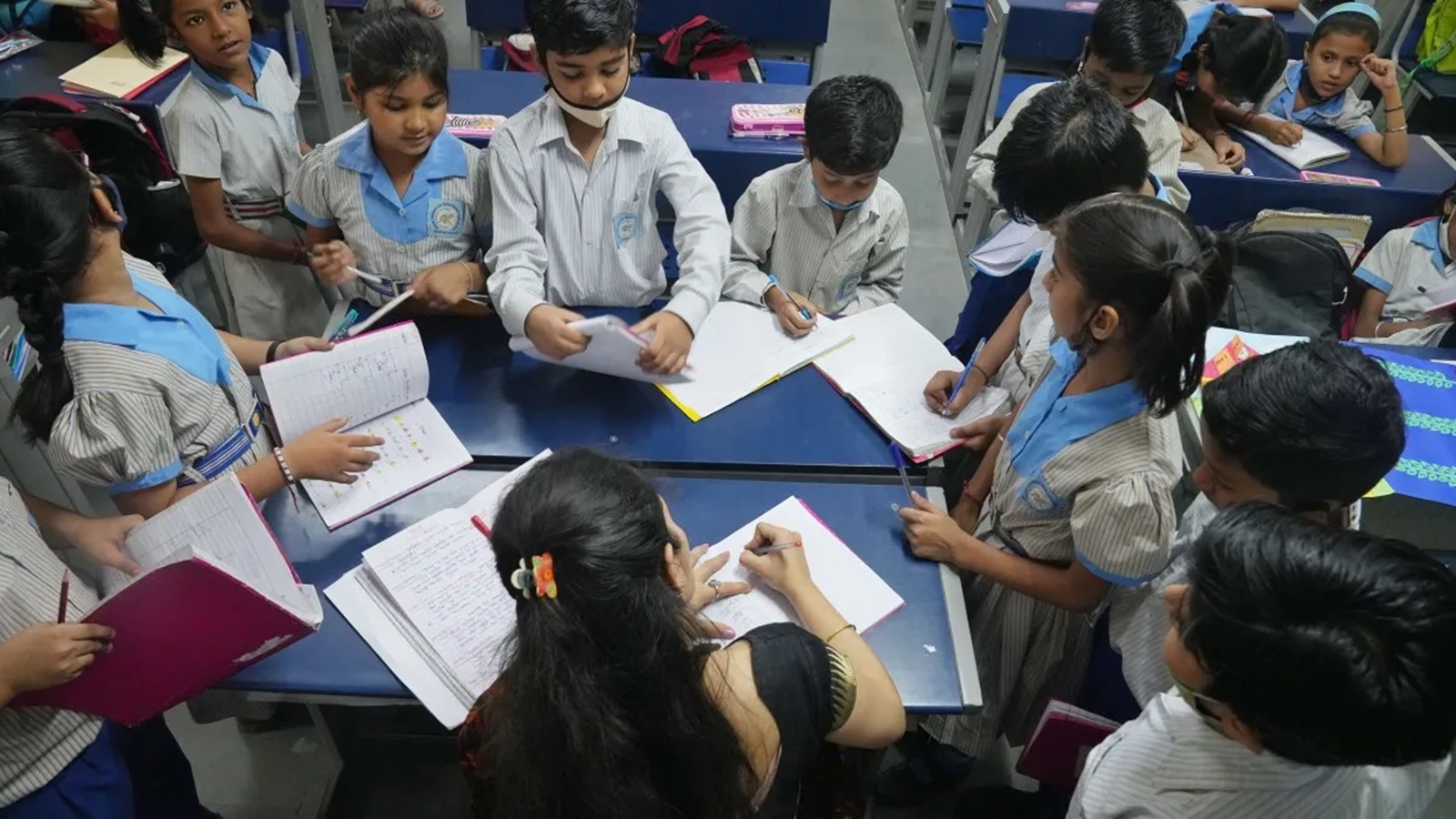
The article says that teaching children can help people become better leaders.
Young graduates often enter classrooms that do not have enough resources.
They may discover that some students are far behind in reading or face difficult family circumstances.
Good teachers change their lessons to help students learn.
They also teach values such as kindness, punctuality and honesty through their actions.
Working closely with families and schools helps graduates understand India’s challenges more clearly.
Some former teachers later start organizations or lead important projects.
The writer believes more Indian graduates should spend time teaching or supporting schools.

Young graduates who teach in under-resourced Indian schools gain a deeper understanding of communities, families and educational challenges.
The article argues that teaching develops leadership through preparation, patience, accountability and daily responsibility for students’ growth.
Teachers often adapt lessons to students’ learning levels while confronting barriers involving nutrition, healthcare, caste, gender, religion and finances.
Former educators have used their experiences to launch social enterprises, improve schools and build careers in consulting, policy and technology.
The article proposes that more graduates engage with classrooms as teachers, mentors, partners or supporters to become better leaders.
- Who
- Young graduates, teachers, students and education fellowships including Teach For India, Bhumi, Gandhi Fellowship and Educate Girls.
- What
- The article argues that teaching in under-resourced schools develops leadership and suggests broader graduate participation in classrooms.
- Where
- Low-income and under-resourced schools across India, including a government school in Malvani, Mumbai.
- When
- The writer describes spending time with former teachers some months earlier and discusses their experiences over several years.
- Why
- The writer believes classroom experience helps people understand India’s social realities and prepares them to lead more effectively.
Key facts
- Central argument
- To teach is to lead, because teaching requires preparation, patience, accountability and emotional investment.
- Students’ challenges
- Some students in under-resourced classrooms read below their grade level and face pressures involving nutrition, healthcare and family finances.
- Social factors
- Caste, gender and religion can influence classroom participation, homework and students’ aspirations.
- Example from Mumbai
- Shalini left a decade-long technology career to teach at a government school in Malvani and later started an enterprise supporting women’s livelihoods.
- School improvement example
- A former Grade II teacher helped students make three years of academic progress in two years, reorganized school operations and built corporate partnerships.
- Fellowships mentioned
- Teach For India, Bhumi, Gandhi Fellowship and Educate Girls are described as building a cohort of young graduates with classroom experience.
- Proposed action
- The writer suggests that qualified graduates teach, mentor, partner with or otherwise support schools.
Sources
Related news

Three Indian Changemakers Honor Teachers Who Shaped Their Dreams
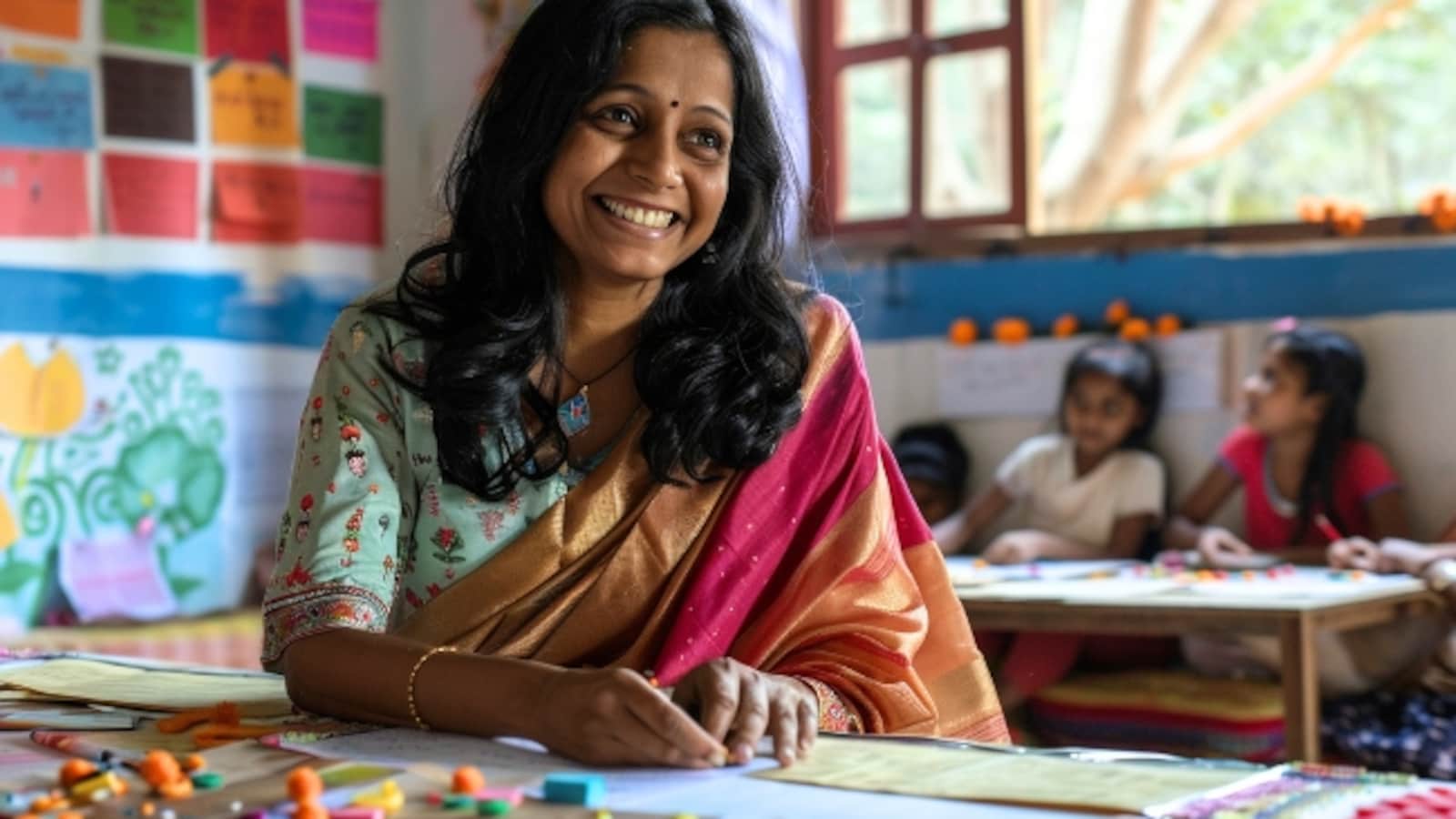
Teachers’ Classroom Innovations Gain Strength Through Peer Learning

Teachers’ Day Essay Calls for a Deeper Idea of Teacherhood

Nellore Collector Highlights Teachers’ Role in Shaping Society
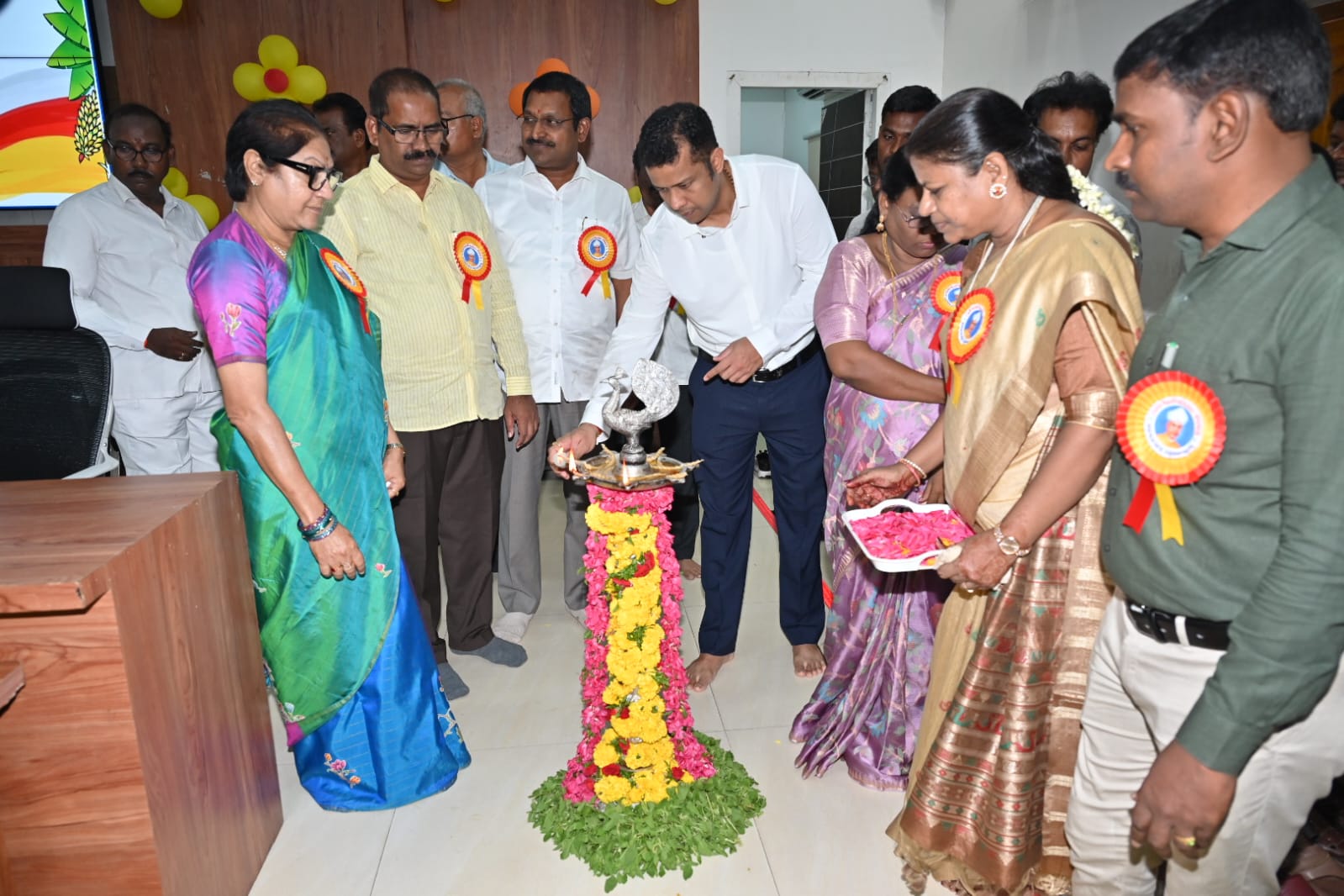
Collectors Describe Teaching as Responsibility and Social Service
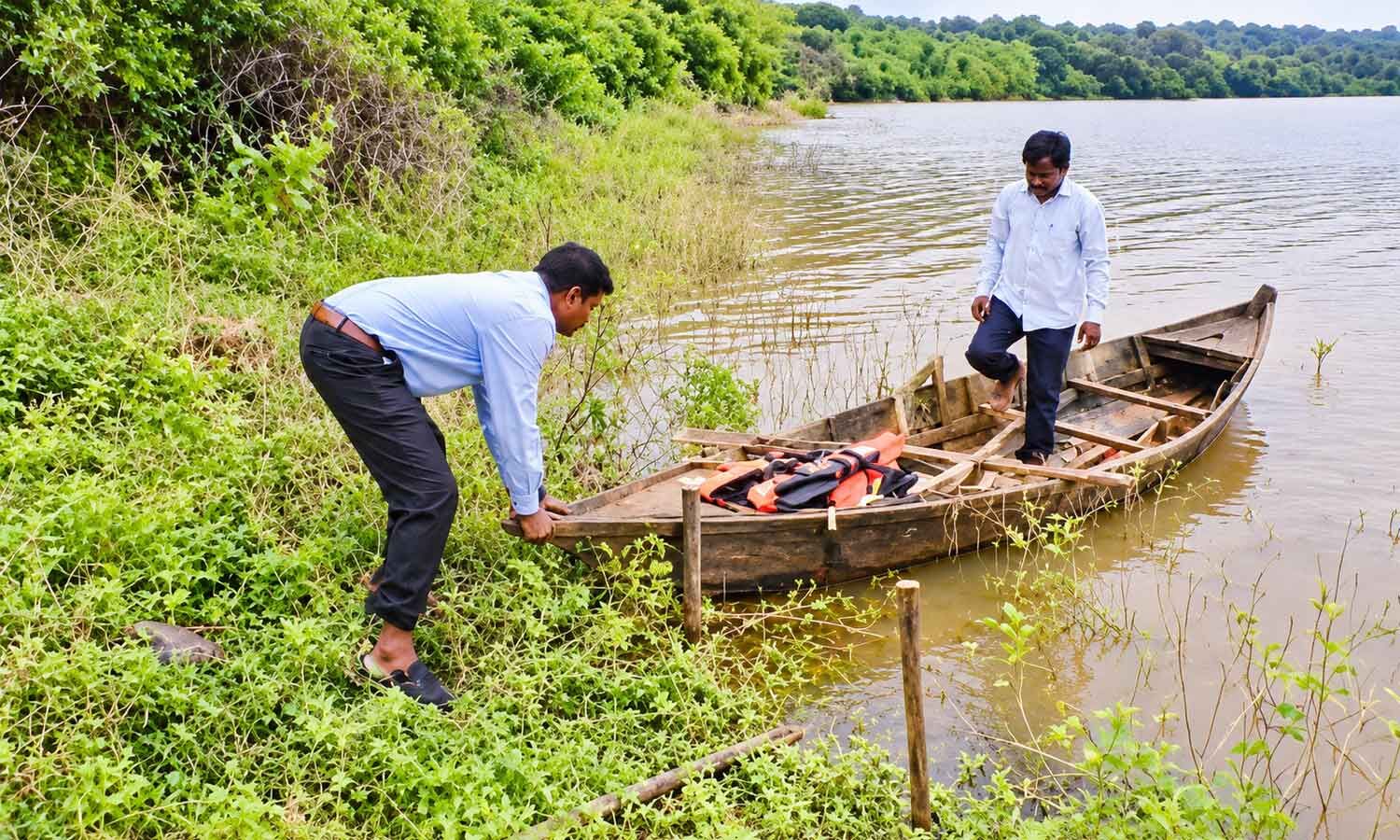
Remote Teachers Cross Reservoir Daily to Reach Students

Petrol, Diesel Prices Hold Steady Across Major Indian Cities

Indian Fuel Rates Mostly Steady Despite Crude Oil Rise

Manika Plastech Sets IPO Price Band, Dates and Size
Akshay Kumar Recalls House Help’s Water Mishap With Amitabh Bachchan

Pranav Constructions IPO Opens With 35% Potential Listing Gain