

6 hrs ago
Anant Chaturdashi 2026: Ganesha’s Tusks Symbolize Wisdom

Lord Ganesha is sometimes called Ekadanta, which means one-tusked.
A popular story connects this name to the writing of the Mahabharata.
Sage Vyasa needed someone who could write very quickly.
He asked Ganesha to become the scribe.
Ganesha said Vyasa must keep dictating without stopping.
Vyasa replied that Ganesha had to understand every verse before writing it.
When Ganesha’s pen broke, he used one of his own tusks as a replacement.
The story presents his missing tusk as a sign of wisdom, dedication, and accepting imperfection.

Lord Ganesha is known as “Ekadanta,” meaning one-tusked.
One popular legend links the name to the writing of the Mahabharata.
Sage Vyasa asked Lord Ganesha to serve as the epic’s scribe.
Ganesha agreed on the condition that Vyasa dictate without pausing, while Vyasa required Ganesha to understand each verse before writing it.
When Ganesha’s pen broke, he snapped off one tusk to continue writing without interruption.
- Who
- Lord Ganesha and Sage Vyasa are central to the legend.
- What
- The legend explains how Ganesha came to be called “Ekadanta,” or one-tusked.
- Where
- When
- The account is presented in connection with Anant Chaturdashi 2026; no specific date is given.
- Why
- Ganesha broke off his tusk to continue writing the Mahabharata after his pen broke, honoring the uninterrupted dictation.
Key facts
- Festival context
- Anant Chaturdashi 2026
- Name explained
- Ekadanta, meaning one-tusked
- Central figures
- Lord Ganesha and Sage Vyasa
- Epic being written
- The Mahabharata
- Ganesha’s condition
- Vyasa had to dictate without taking a pause
- Vyasa’s condition
- Ganesha had to fully understand each verse before writing it
- Key action
- Ganesha used one of his tusks as a pen when his pen broke
Sources
Related news
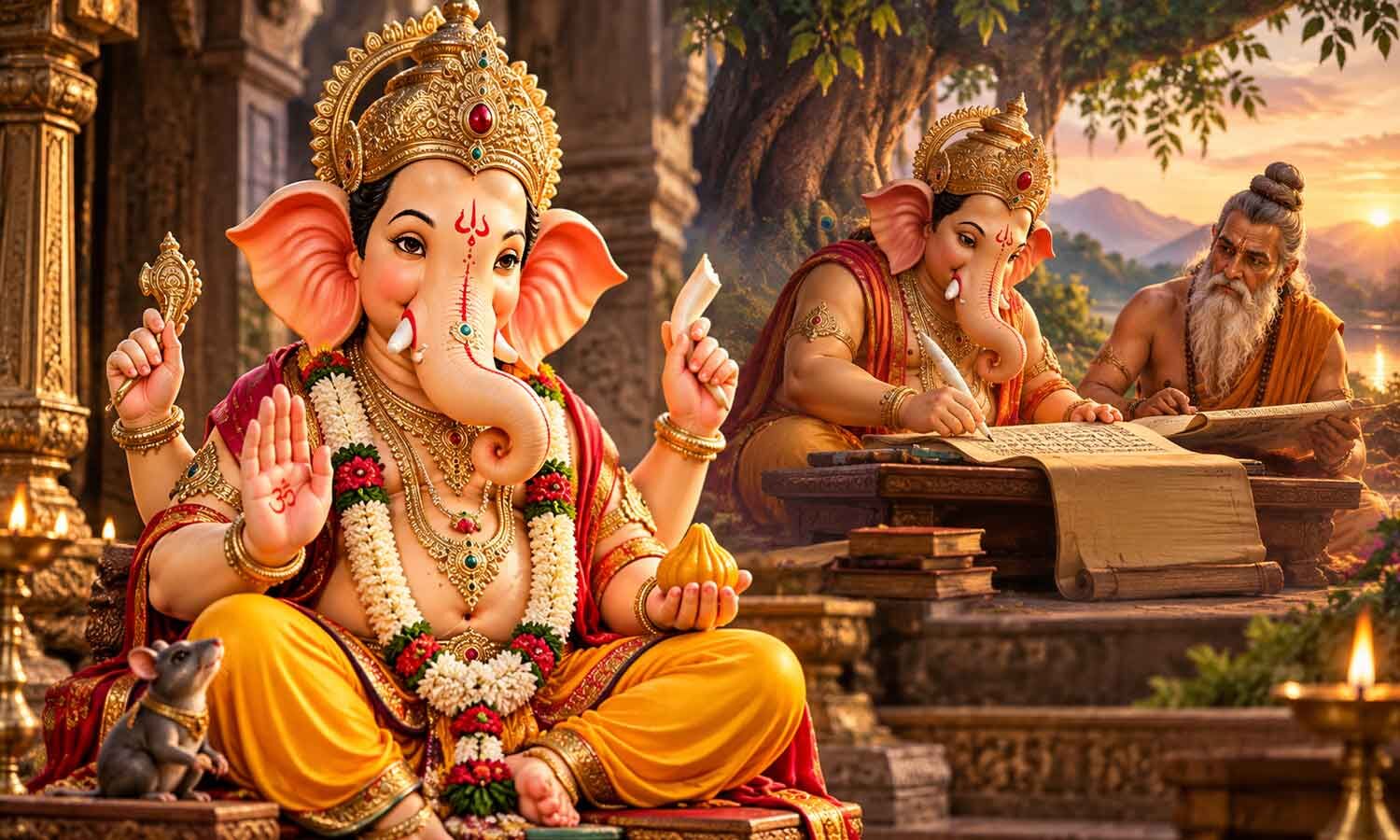
Why Lord Ganesha Is Called Ekadanta: Three Tusk Stories
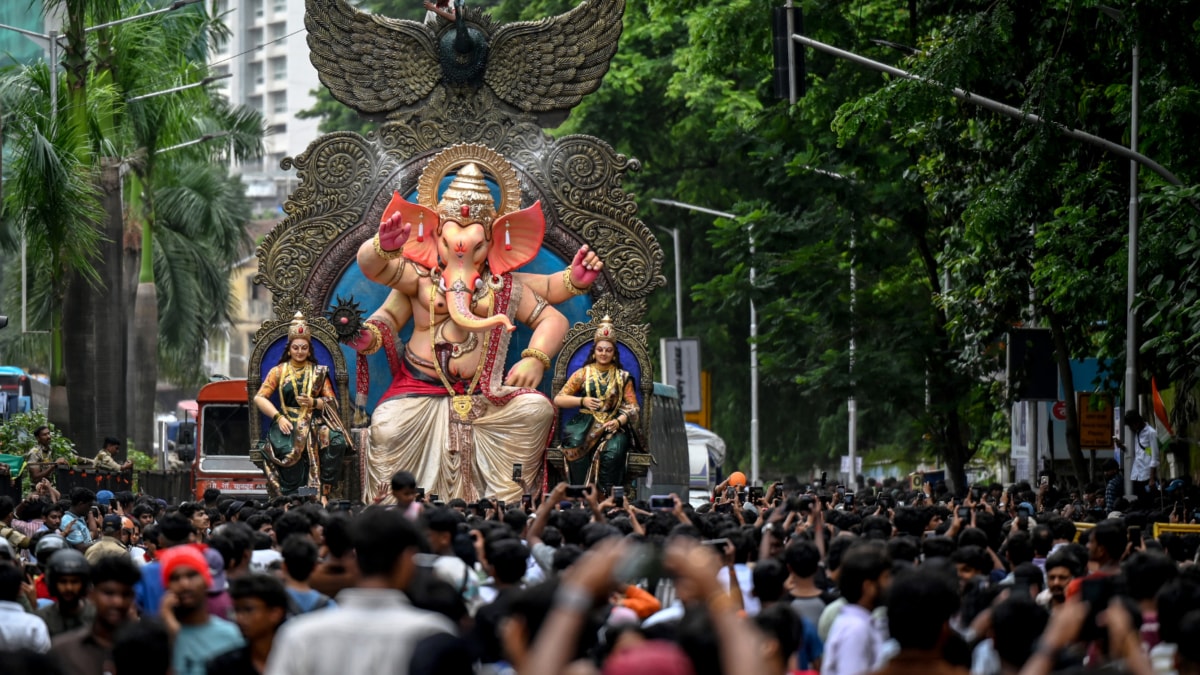
Why Lord Ganesha Is Called Vighnaharta: Story Behind Name
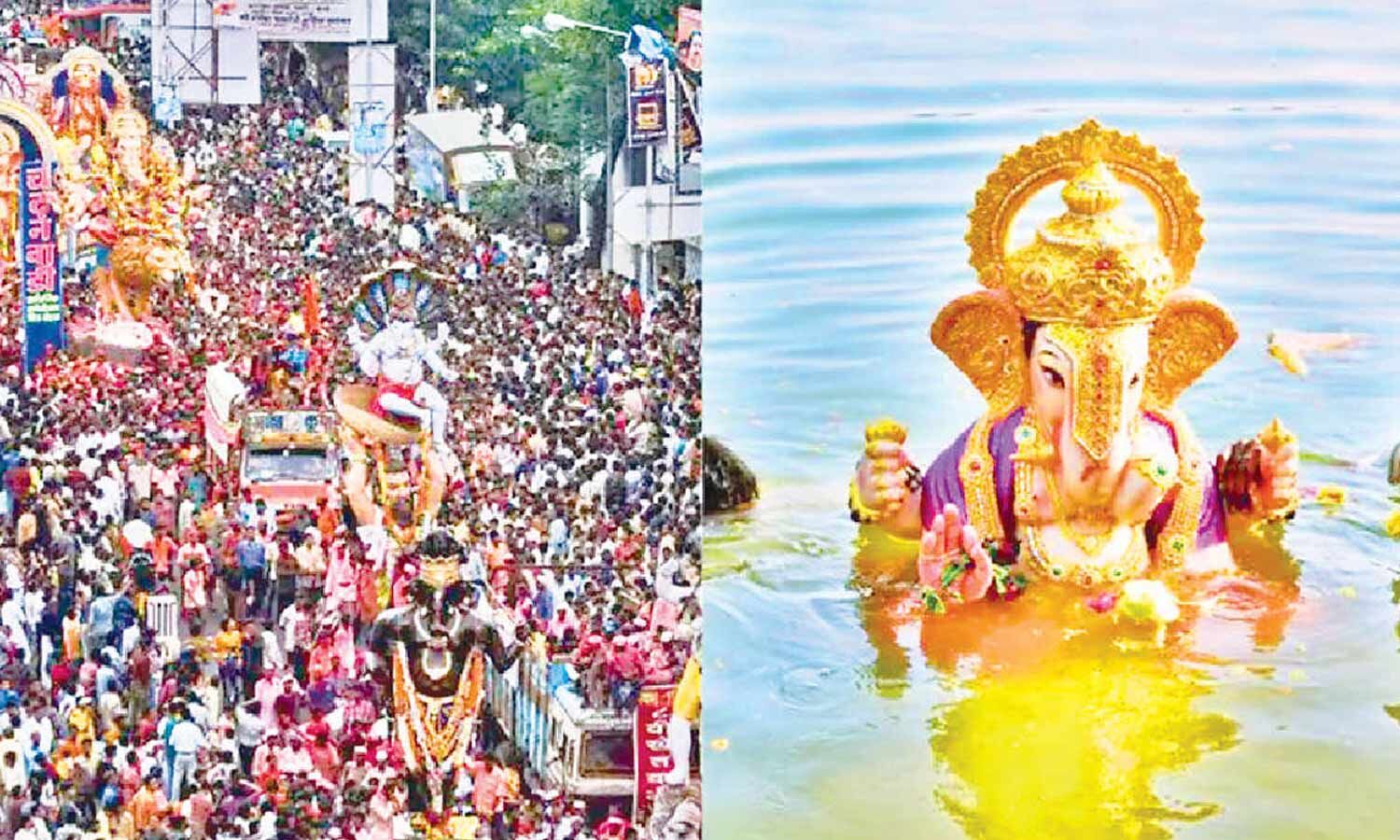
Ganesha Visarjan Teaches Renewal, Humility and Inner Peace
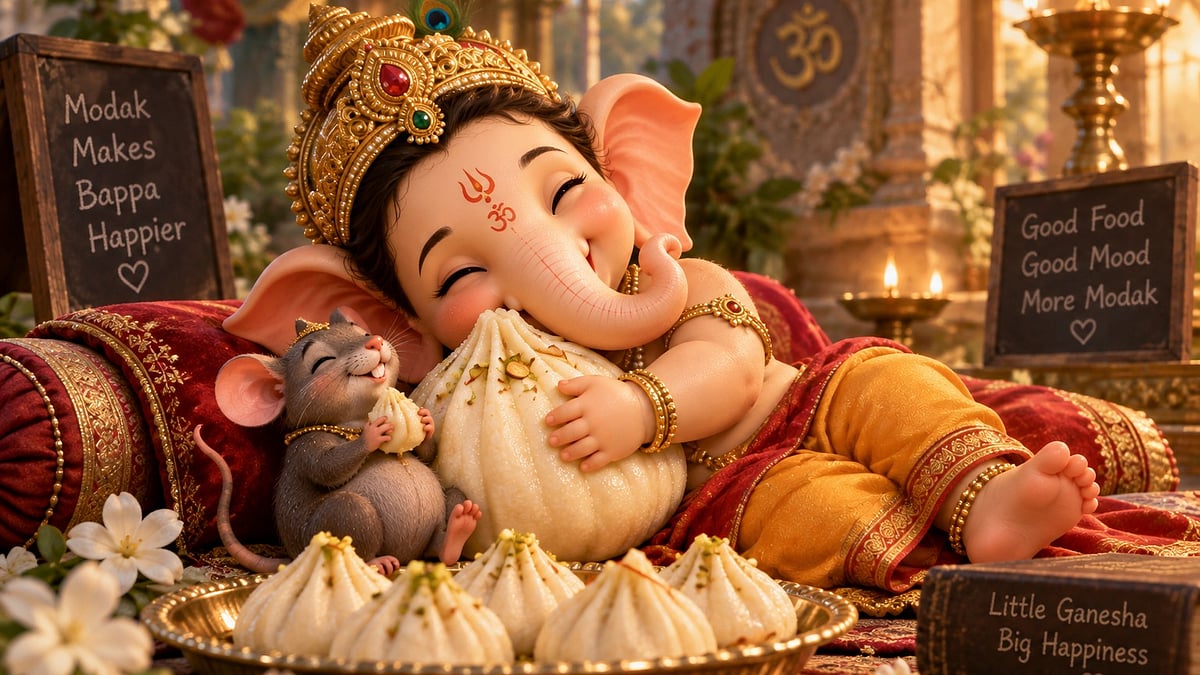
Why Modak Is Considered Lord Ganesha’s Favourite Sweet

What Ganesha’s Form Symbolizes: Wisdom, Acceptance, and Consciousness
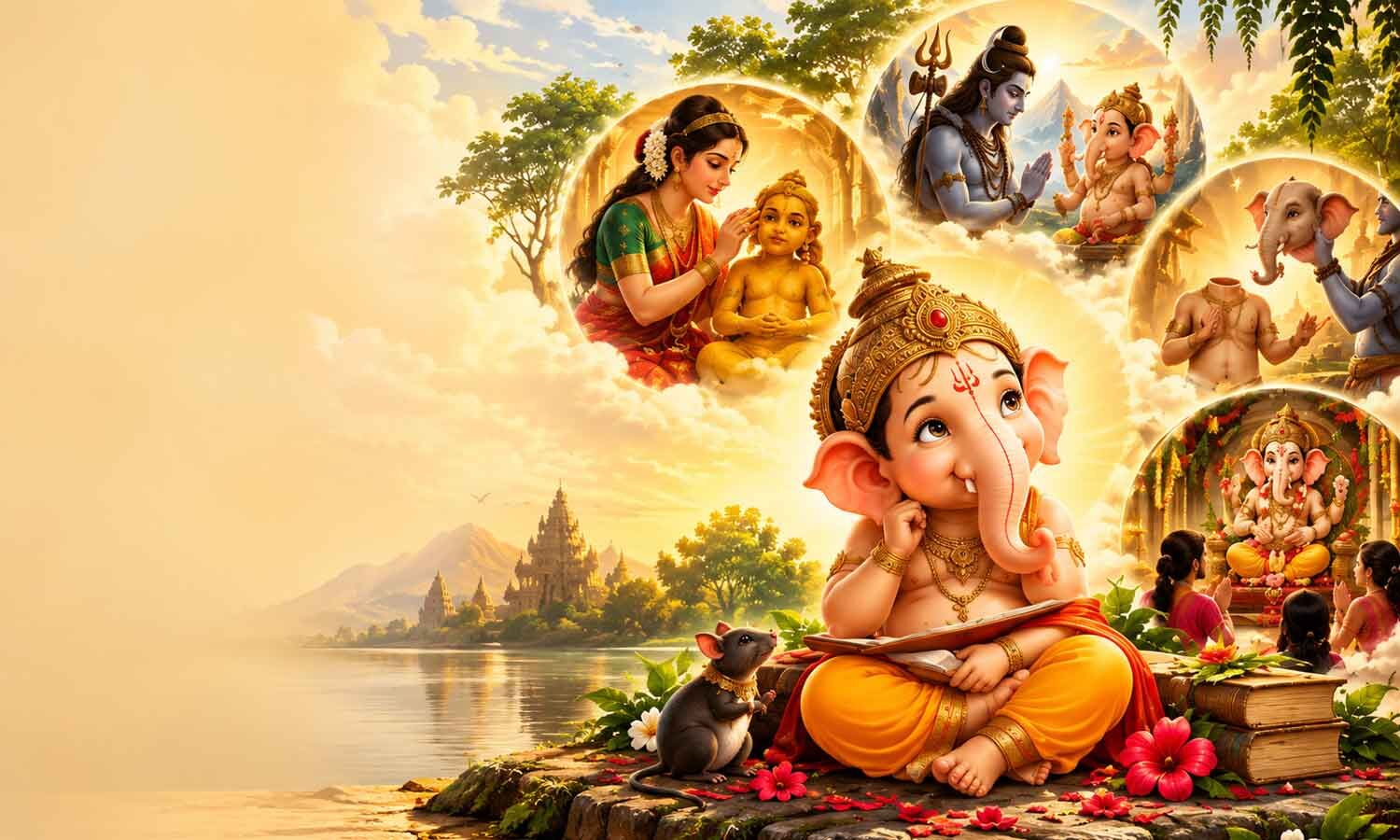
Ganesh Chaturthi Celebrates Ganesha’s Birth and Enduring Spiritual Significance
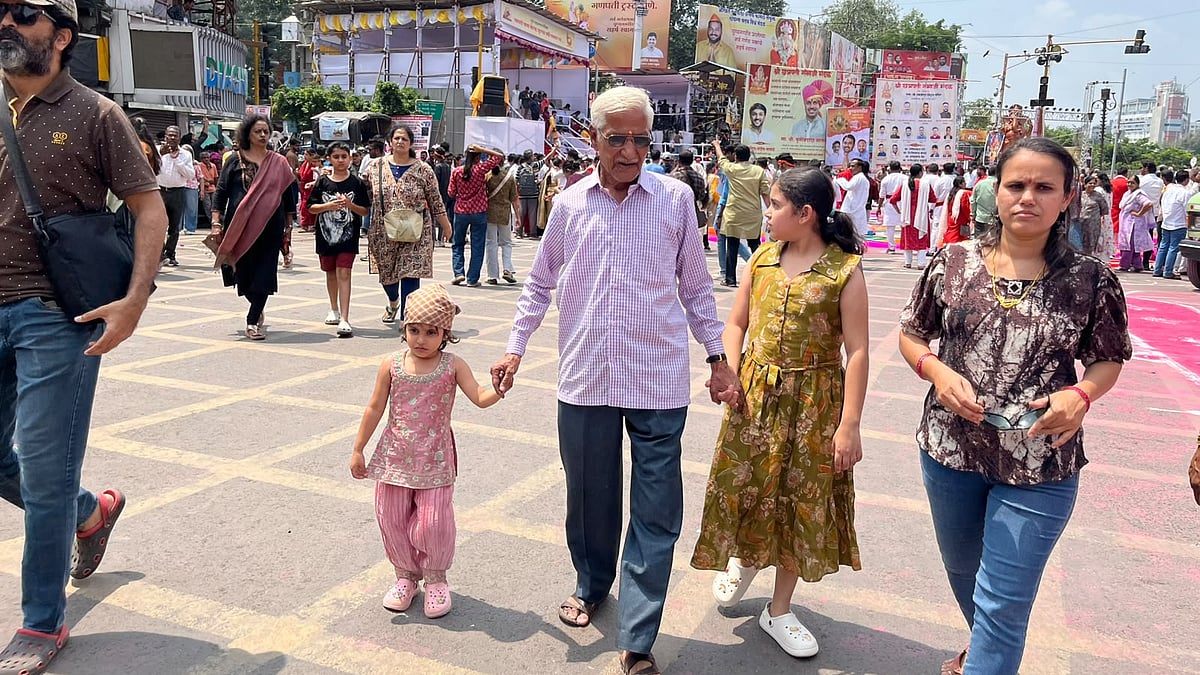
Pune Children Discover Tradition During Ganpati Visarjan Farewell
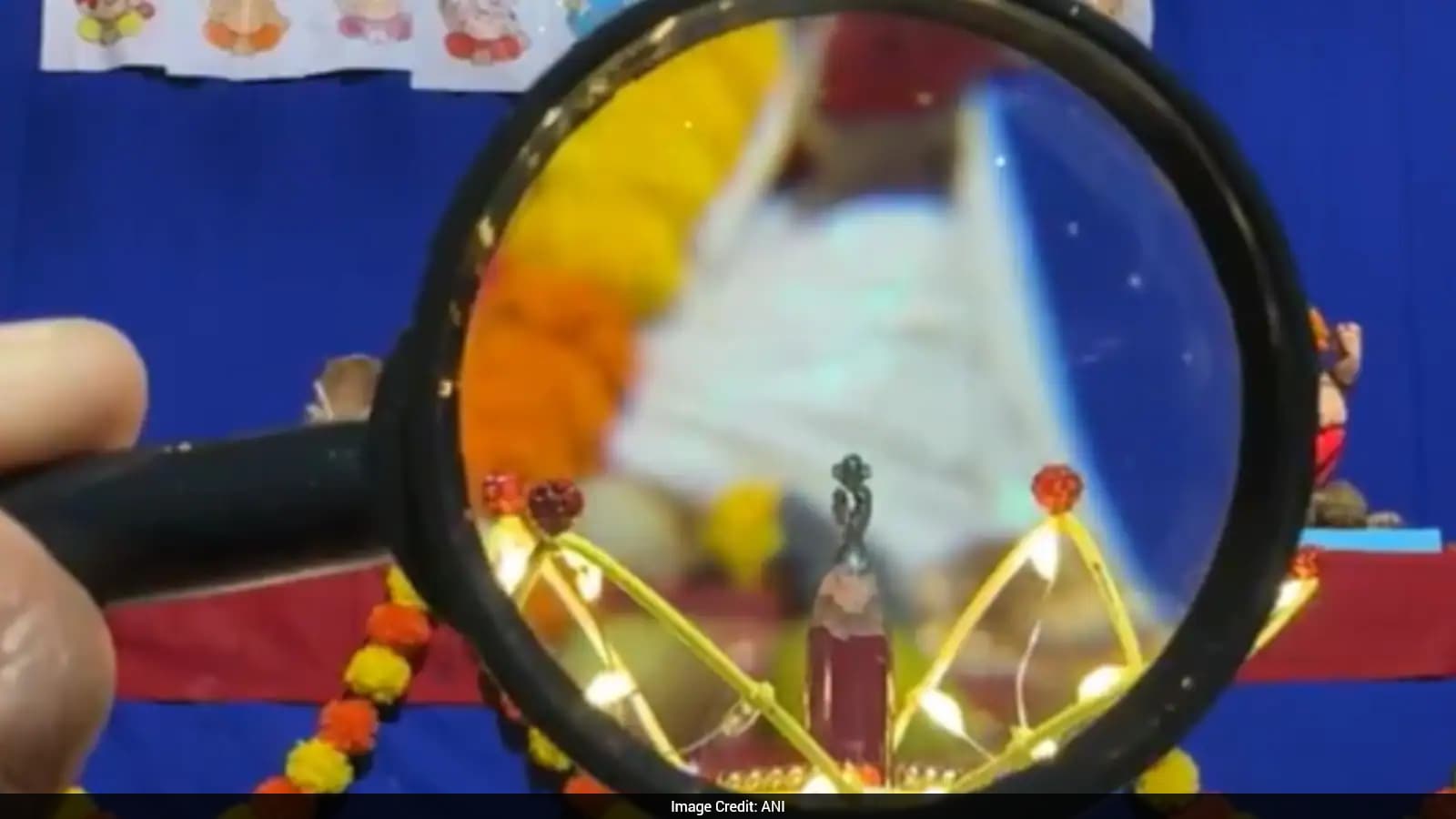
Surat Artist Creates 6-Millimetre Ganesha Idol On Pencil Tip

Anant Chaturdashi: Why Devotees Tie Fourteen Knots In Anant Sutra
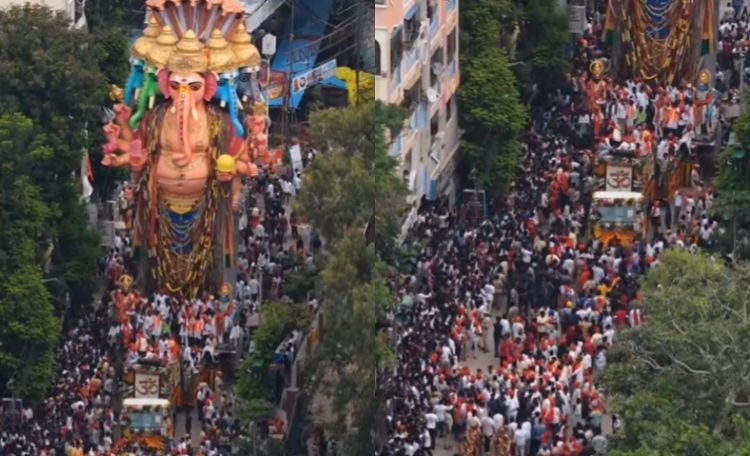
Driver Takes Six Hours to Move Khairatabad Ganesh
