3 weeks ago
China's AI companion users bereft after government tightens regulations

In China, many people made friends, and some even fell in love, with chatbots—computer programs that talk to you like a real person.
Some chatbots acted as boyfriends or girlfriends, and others were digital copies of people who had died.
New government rules that started on July 15 say chatbots cannot do things that trick people's feelings or make kids feel very strong, unhealthy emotions.
Because of these rules, big companies like ByteDance, Alibaba, and Tencent had to turn off their chatbot services.
When the chatbots disappeared, many users were very sad and upset.
One young woman named Li Linlin cried for days because she had sent about 700,000 words to her AI boyfriend over two years and never got the chance to say goodbye.
Users complained online, deleted the apps, and tried to move their old chats into other apps to bring their chatbots back.
The government says the rules protect people's mental health, especially children's, and it warns people not to use chatbots instead of talking to real people.
Some users suspect the government also wants people to have more babies, and that is another reason for the ban.
No matter the reason, many users feel losing their AI companions was painful.

A Chinese government regulation that took effect July 15 bans AI platforms from generating content that could manipulate users' feelings or trigger extreme emotions and unhealthy habits in children and teens.
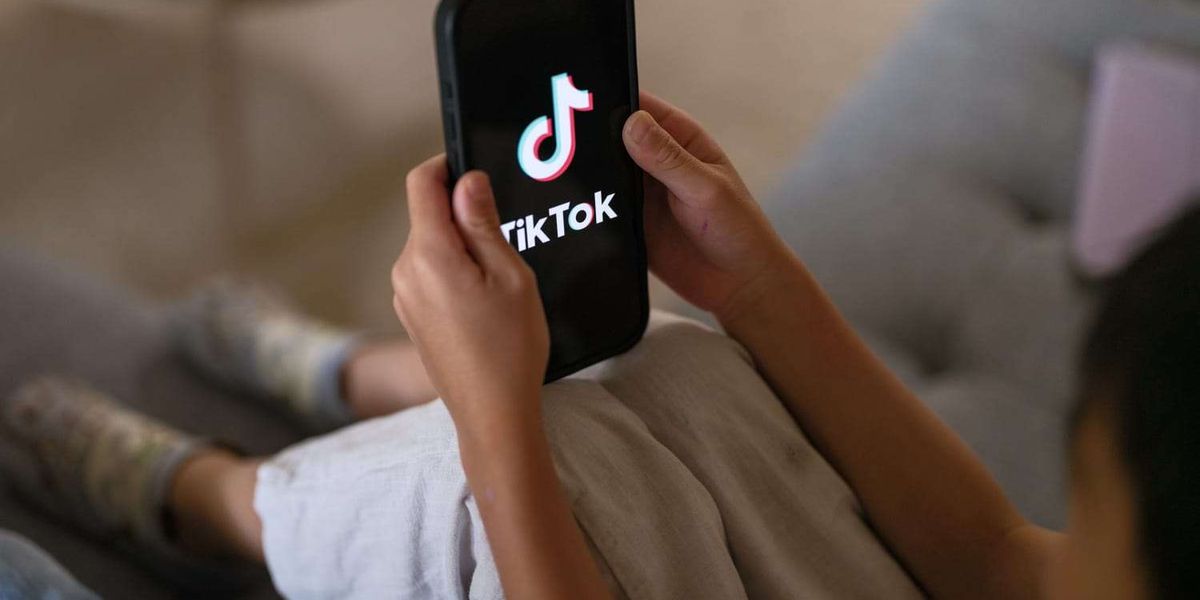
To comply, major companies including ByteDance, developer of TikTok, and e-commerce giant Alibaba shut down their AI companion services.
Tencent, owner of the WeChat app, also ended its AI companion service under the new rules.
Users reported deep grief over the shutdowns; one user, 24-year-old Li Linlin, said she exchanged about 700,000 words with her AI boyfriend over two years and never got to say goodbye.
Frustrated users have flooded social media with complaints, uninstalled the apps, and tried uploading their chat histories into other apps to revive their virtual companions.
- Who
- Chinese regulators, tech companies ByteDance, Alibaba, and Tencent, and affected users such as 24-year-old Li Linlin.
- What
- Major Chinese tech companies shut down their AI companion services to comply with a new government regulation banning content that manipulates users' feelings or risks extreme emotions and unhealthy habits in children and teens.
- Where
- China.
- When
- The new regulation took effect July 15; the People's Daily reported related concerns in April.
- Why
- The government said the rules aim to protect mental health, prevent emotional manipulation, and safeguard minors from unhealthy habits.
Supporters of the regulation
Affected users and critics
Shutting down AI companions
Supporters of the regulation
The rules protect users from emotional manipulation and shield children and teens from extreme emotions and unhealthy habits; warnings discourage using apps as substitutes for real social interaction.
Affected users and critics
Users were forced to part with companions they had deep emotional bonds with, causing grief, goodbyes that never happened, and a flood of complaints, app uninstalls, and protests.
Why the rules were introduced
Supporters of the regulation
Experts describe it as a paternalistic, pre-emptive measure that balances providers, users, and guardians of minors, informed by psychological harms and suicides observed in the U.S.
Affected users and critics
Some users suspect the policy is tied to government efforts to encourage childbirth amid population decline, banning apps they believe could keep women too engaged to have children in real life.
Key facts
- Regulation effective date
- July 15
- Affected companies
- ByteDance, Alibaba, Tencent
- What the rules ban
- Content that manipulates users' feelings or could trigger extreme emotions and unhealthy habits in children and teens
- New service requirement
- Risk warnings against excessive reliance and against replacing in-person or phone social interaction
- User impact example
- Li Linlin exchanged about 700,000 words with her AI companion over two years
- AI companion types
- Romantic partners and virtual recreations of deceased loved ones
- Expert opinions
- Yolanda Ma, an AI governance expert and ERA fellow, says the rules balance provider, user, and guardian interests; Angela Zhang, a University of Southern California law professor, doubts the move will substantially derail development
- Reported U.S. precedent
- Cases of suicides by young people after interacting with AI companions, cited by an AI governance expert
Quotes

Angela Zhang
Professor of law at the University of Southern California
“The Chinese government has a strong incentive to tighten regulations on AI companion chatbots, especially considering the psychological risks we’ve observed in the U.S.”
 livemint.com
“Any virtual app getting women too engaged to give birth in real life gets banned.”
livemint.com
Sources
Related news

ChatGPT for Teens Adds Safeguards, But Risks Remain

Trump-backed crypto firm backs AI venture offering restricted Chinese models
Manus AI Resumes Independence After China Blocks Meta's $2B Deal
Why OpenAI Is Launching a Teen Version of ChatGPT

Half of Australian children, teens use AI for personal reasons
Brazil fines TikTok owner ByteDance over teen data violations

Australian Teens Return to TikTok Despite Under-16 Ban
Rights Group Says Social Platforms Enabled Child Recruitment

Indian Markets End Lower Amid Global Uncertainty and Crude Pressures

TikTok Agrees to Pay $400 Million Over Children’s Privacy Violations