

2 weeks ago
North Korea uses stolen IDs, AI for US remote jobs
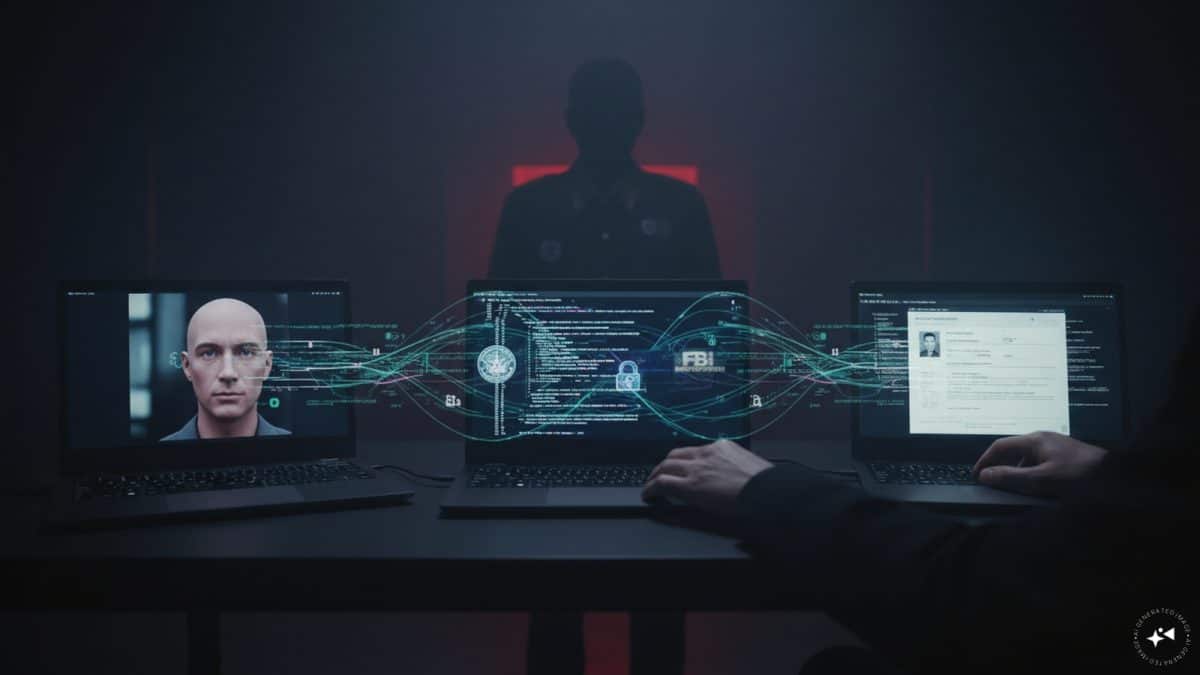
Some people from a country called North Korea are pretending to be American workers to get jobs.
They use other people's stolen names and AI to trick companies into hiring them.
AI can make fake pictures and videos that help them look like someone else during job interviews.
These fake workers do computer jobs from far away for American companies.
North Korea's leader, Kim Jong Un, gets hundreds of millions of dollars from these jobs.
The FBI, which keeps the US safe from crimes, is worried about this.
One of these pretend workers even got a job with the US government, and the FBI is investigating.
The workers have also stolen secret information from companies.
American helpers sometimes receive computers and hide them in special places called "laptop farms" to make it harder to catch the trick.

North Korean operatives use stolen identities, AI-generated documents and US-based facilitators to secure remote IT jobs at American companies.
US officials and international investigators estimate the scheme generates hundreds of millions of dollars annually for Kim Jong Un's regime.
The FBI is investigating a North Korean remote IT worker who obtained employment with a US federal agency.
FBI officials say AI is used across the recruitment process to create résumés, identity documents, images and deepfakes.
Investigators found cases of North Korean workers stealing proprietary information, credentials and other data after gaining network access.
- Who
- North Korean operatives, US-based facilitators and Kim Jong Un's regime; the FBI is investigating.
- What
- Using stolen identities, AI-generated documents and deepfakes to secure remote IT jobs at American companies and steal data.
- Where
- The United States, where operatives remotely fill jobs at American companies.
- When
- Ongoing scheme; the FBI is currently investigating a case involving a North Korean remote IT worker at a US federal agency.
- Why
- To generate foreign currency for Kim Jong Un's regime despite international sanctions and to steal proprietary information.
Key facts
- Operation
- Stolen identities, AI and US-based facilitators used to secure remote IT jobs
- Estimated revenue
- Hundreds of millions of dollars annually
- Beneficiary
- Kim Jong Un's regime in North Korea
- FBI investigation
- North Korean remote IT worker employed by a US federal agency
- AI use
- Résumés, identity documents, images and deepfakes
- Facilitator tactic
- Laptop farms to hide operatives' true location
- Additional threat
- Theft of proprietary information, credentials and data
- Source
- Wall Street Journal investigation and US officials
Quotes
Todd Hemmen
Deputy assistant director of the FBI’s Cyber Capabilities Branch
“"across that entire spectrum"”
 firstpost.com
Sources
Related news
North Korean hackers build AI tools for cyberattacks: report
Hackers Target Major US Financial Firms in Credential Theft Campaign

AI’s Growing Power Raises Cybersecurity, Biosecurity, and Jobs Fears

Rajasthan Police arrest three more in cyber slavery racket

Rajasthan Police warn youth of cyber-slavery overseas job scams
APG Report Flags Rise of Cyber Scam Hubs, Human Trafficking

Furious Review Examines Women, Abuse and Vigilante Justice
World Roundup Spans Xi’s Egypt Visit and FBI Hamas Seizure

Pattaya Cracks Down as 5,000 US Sailors Arrive

Australian Police Charge Two Men in Open-Source Software Hacking Case
Carrier Visit Brings Economic Hope and Sex-Tourism Risks to Pattaya
