3 days ago
Canada’s CBC Makes 9/11 Terrorism Label Exception After Backlash

CBC is Canada’s public broadcaster.
It usually avoids calling an event a terrorist attack in its own voice unless it quotes officials or experts.
A memo reminding journalists of that rule became public before the 25th anniversary of September 11.
Many people in Canada and the United States criticized the policy.
They said the September 11 attacks should clearly be called terrorism.
CBC said it had never claimed otherwise and had reported the facts about the attacks.
The broadcaster decided to make a special exception for September 11.
It said it will still use careful attribution when describing future politically or ideologically motivated violence.

CBC/Radio-Canada said it will make an exception and describe the Sept. 11, 2001, attacks as terrorist attacks.
The broadcaster’s usual policy favors using “terrorism” or “terrorist” with attribution to officials or experts.
The policy drew criticism from FBI Director Kash Patel, U.S. Ambassador Pete Hoekstra, Republican lawmakers and Canada’s Conservative Party.
CBC said it had never denied that 9/11 was terrorism and had reported the attacks’ motivations using attributed sources.
Canadian ministers Marc Miller and Gary Anandasangaree welcomed or supported the change, with Miller calling the previous guidance foolish.
- Who
- CBC/Radio-Canada, its standards officials and critics including U.S. and Canadian public officials.
- What
- CBC announced an exception allowing its journalists to describe the September 11, 2001, attacks as terrorist attacks.
- Where
- The dispute involved CBC/Radio-Canada in Canada and reactions from officials in Canada and the United States.
- When
- The decision was announced Friday, after a memo circulated ahead of the attacks’ 25th anniversary.
- Why
- CBC said the exception would improve clarity and public understanding after its policy triggered criticism.
CBC’s Standards View
Critics’ View
Use of the word “terrorist”
CBC’s Standards View
CBC says attribution to officials and experts is a long-standing journalistic practice shared by major news organizations, including the Associated Press, BBC, AFP and Reuters.
Critics’ View
Critics argue that the September 11 attacks should be directly and unambiguously identified as terrorism rather than described only through attributed statements.
The policy’s meaning
CBC’s Standards View
CBC says it never denied that the attacks were terrorism and reported their causes and motivations accurately using attributed sources.
Critics’ View
Critics said the guidance amounted to sanitizing or diminishing the historical description of the deadliest terrorist attack in U.S. history.
Key facts
- Broadcaster
- CBC/Radio-Canada, Canada’s public broadcaster
- Exception
- The broadcaster will identify the September 11 attacks as terrorist attacks.
- Usual policy
- Terms such as “terrorism” and “terrorist” generally require attribution to officials or experts.
- Attacks
- The September 11, 2001, attacks were the subject of the policy dispute.
- Criticism
- Critics included FBI Director Kash Patel, U.S. Ambassador Pete Hoekstra, Republican members of Congress and Canada’s Conservative Party.
- Canadian response
- Culture Minister Marc Miller praised the change, while Public Safety Minister Gary Anandasangaree said Canada has always recognized 9/11 as a terrorist attack.
Quotes

Pete Hoekstra
The United States ambassador to Canada
“Failure to recognize and confront radical and terrorist ideologies significantly endangers our efforts to establish and harmonize a shared national and economic security partnership.”
 deccanchronicle.com
“We are doing so to remove what has unfortunately (and unintentionally) become an impediment to clarity and public understanding.”
deccanchronicle.com
Gary Anandasangaree
Canada’s public safety minister
“has always recognized 9/11 as the deadliest terrorist attack in history, and we unequivocally condemn terrorism in all its forms.”
deccanchronicle.com
Sources
Related news
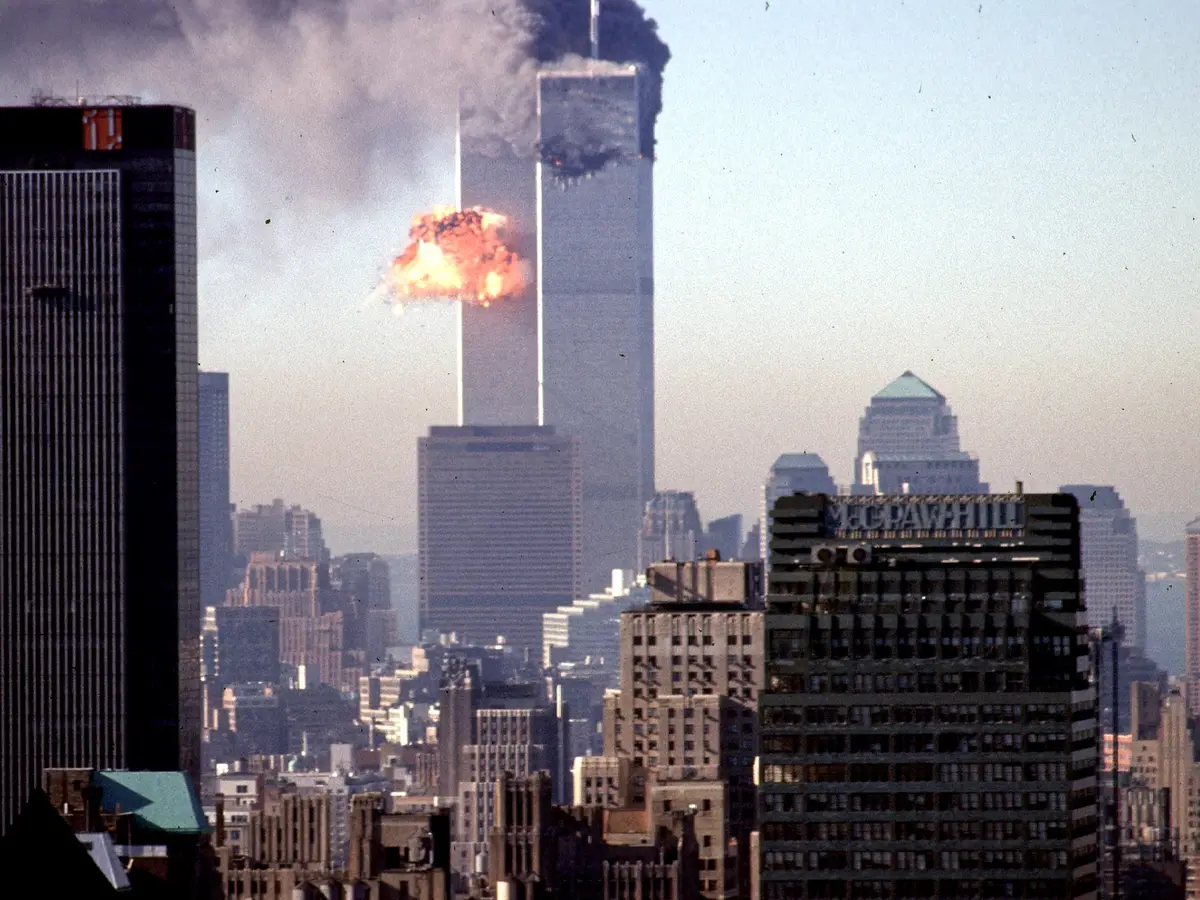
CBC Allows Unattributed Terrorism Label for 9/11

CBC Tells Journalists Avoid 'Terrorist Attack' in 9/11 Coverage
Canadian Groups Back RSS Chief Visit, Demand Evidence-Based Review
Canada Warns Two Khalistan Supporters of Imminent Life Threats

Canadian Leaders Condemn Edmonton Gurdwara Attack, Two Injured