12 hrs ago
South Korea Assembly Opens Annual Audit Amid Party Clashes
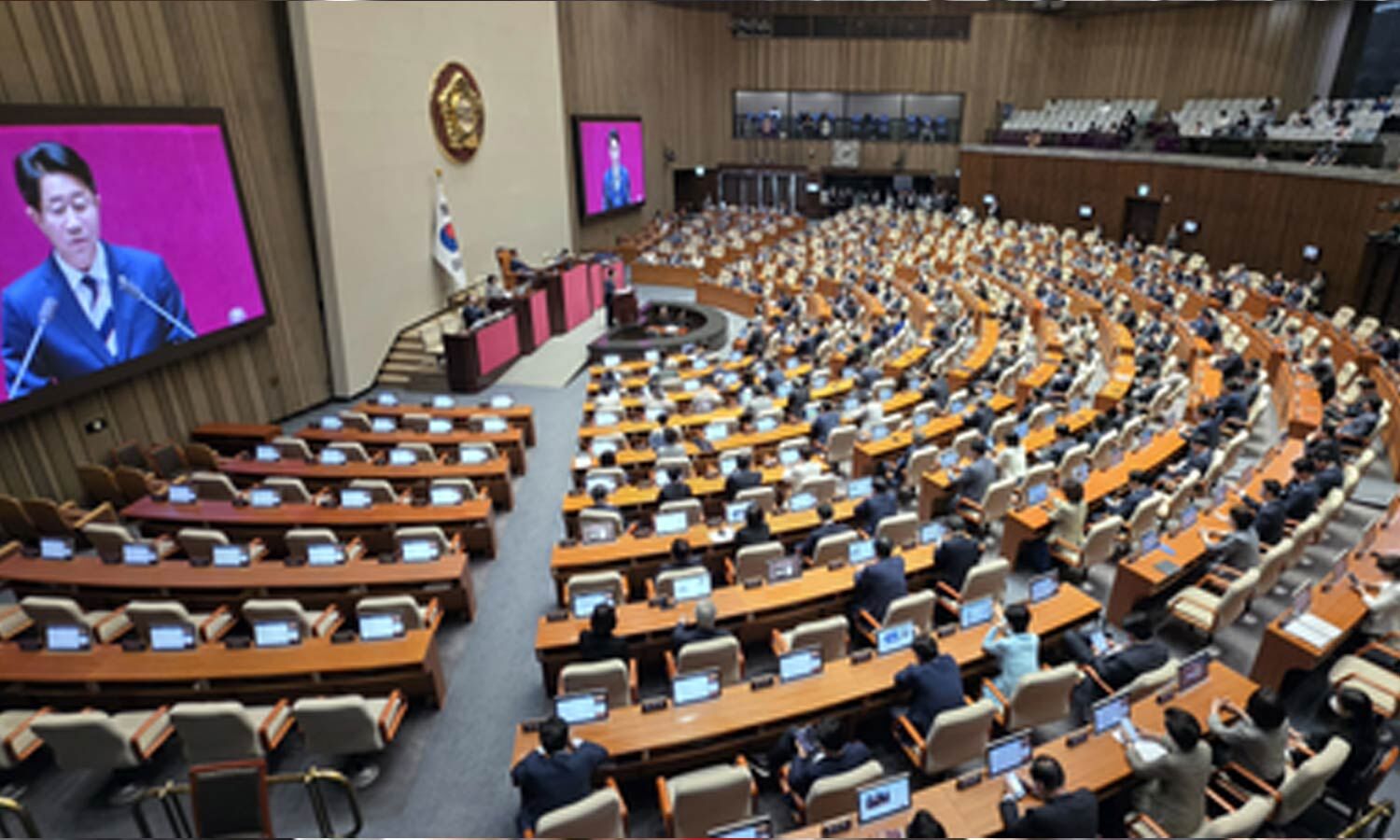
South Korea’s National Assembly has started its yearly check of government agencies.
The audit is planned to last until October 27.
Lawmakers from rival parties argued about what Supreme Court Chief Justice Cho Hee-dae should do during a hearing.
The presidential office had asked him to suggest another person for a Supreme Court position, but he refused.
The parties also disagreed about whether he should stay to answer questions.
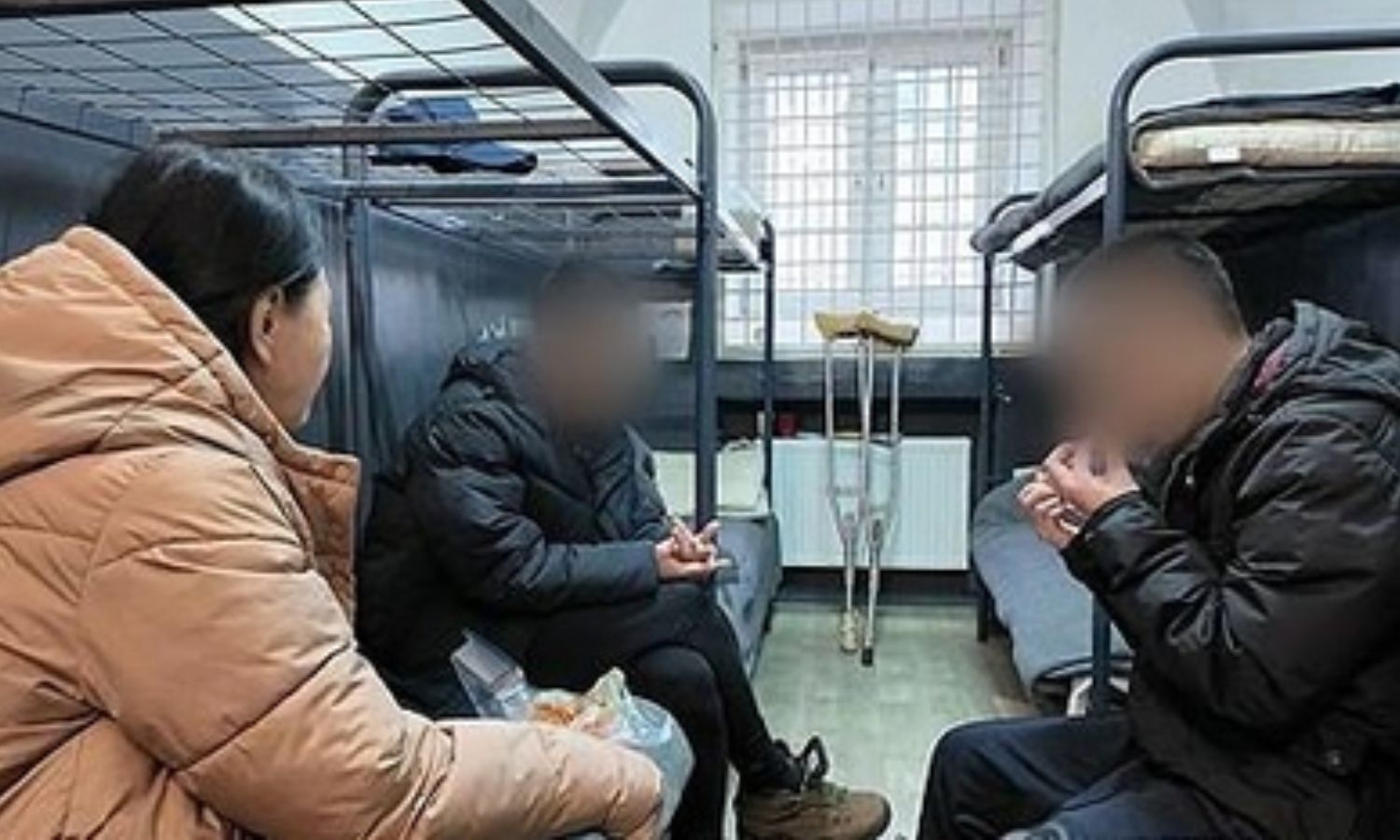
Another hearing focused on Ukraine’s announcement that two North Korean prisoners of war had been transferred to South Korea.
South Korea said the announcement broke an agreement to keep the transfer secret, while Ukraine said there was no such agreement.
Lawmakers also discussed land mines in the Demilitarised Zone that injured three South Korean soldiers.

The National Assembly began its annual audit of government agencies on Tuesday, scheduled to continue through October 27.
Eight of the Assembly’s 17 standing committees opened hearings at 10 a.m. local time on the first day.
Lawmakers disputed Supreme Court Chief Justice Cho Hee-dae’s refusal to recommend another justice candidate after a request from the presidential office.
The ruling Democratic Party said Cho should stay to answer questions, while the People Power Party argued he should be allowed to leave after opening remarks.
Auditors also examined Ukraine’s disclosure of two North Korean POWs’ transfer to Seoul and land-mine explosions in the DMZ that injured three South Korean soldiers.
- Who
- South Korea’s National Assembly, government officials and rival political parties; hearings also involved Supreme Court Chief Justice Cho Hee-dae.
- What
- The Assembly began its annual audit of government agencies, with disputes over a justice nomination, the transfer disclosure of two North Korean POWs, and DMZ land-mine explosions.
- Where
- South Korea’s National Assembly; the POW transfer involved Ukraine and Seoul, and the mine explosions occurred in the Demilitarised Zone.
- When
- It began Tuesday and is scheduled to run through October 27; the article does not specify the calendar date.
- Why
- The audit examines government agencies and raised scrutiny of judicial appointment procedures, the POW transfer disclosure, and the land-mine incidents.
Ruling Democratic Party
People Power Party
Whether Cho should remain at the audit
Ruling Democratic Party
The Democratic Party demanded that Chief Justice Cho Hee-dae stay and answer lawmakers’ questions.
People Power Party
The People Power Party argued Cho should be allowed to leave after opening remarks, following customary practice with the judiciary committee head’s approval.
Whether a secret-transfer agreement existed
Ruling Democratic Party
South Korea accused Ukraine of breaching a bilateral agreement to keep the POW transfer secret.
People Power Party
Ukraine denied that such an agreement existed.
Key facts
- Audit schedule
- Tuesday through October 27
- Committees opening on first day
- Eight of 17 standing committees
- Opening time
- 10 a.m. local time
- Chief justice
- Cho Hee-dae
- Supreme Court appointment process
- The president appoints justices on the chief justice’s recommendation and with National Assembly consent.
- POW transfer
- Two North Korean prisoners of war were transferred from Ukraine to Seoul; Ukraine publicly disclosed the transfer last month.
- DMZ incident
- North Korea-planted land mines injured three South Korean soldiers.
Sources
Related news
Ukraine Apology Over North Korean POW Disclosure Falls Short

South Korea Demands Ukraine Apology Over POW Transfer Disclosure

Supreme Court Cancels Parliament Panel Meeting on Simultaneous Elections
South Korea justice nominee withdraws amid Lee’s cabinet setback
South Korea Warns Ukraine of Further Measures Over POW Disclosure

Supreme Court Cancels Meeting With Simultaneous Elections Panel
Finland Envoy Urges Partnerships for Strategic Autonomy
Indian Student Says Russian Army Job Sent Him to Ukraine
Unilateralism Challenges the Postwar Order, India Urged to Respond