1 hr ago
French High School Protests Spread Amid Fires, Clashes and Blockades
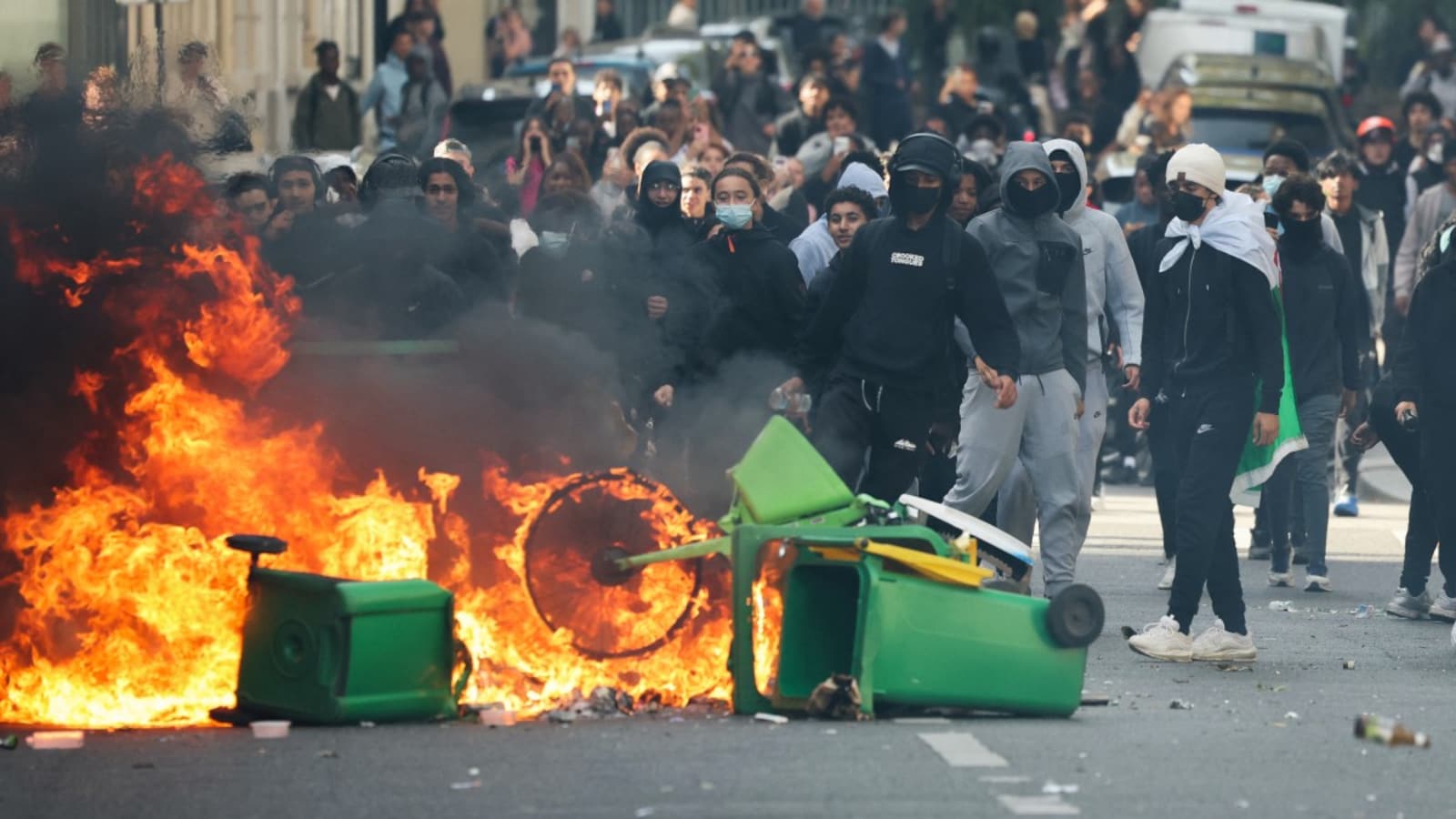
French high school students are protesting conditions at their schools.
They say school days are too long and that classrooms, books and teachers are sometimes lacking.
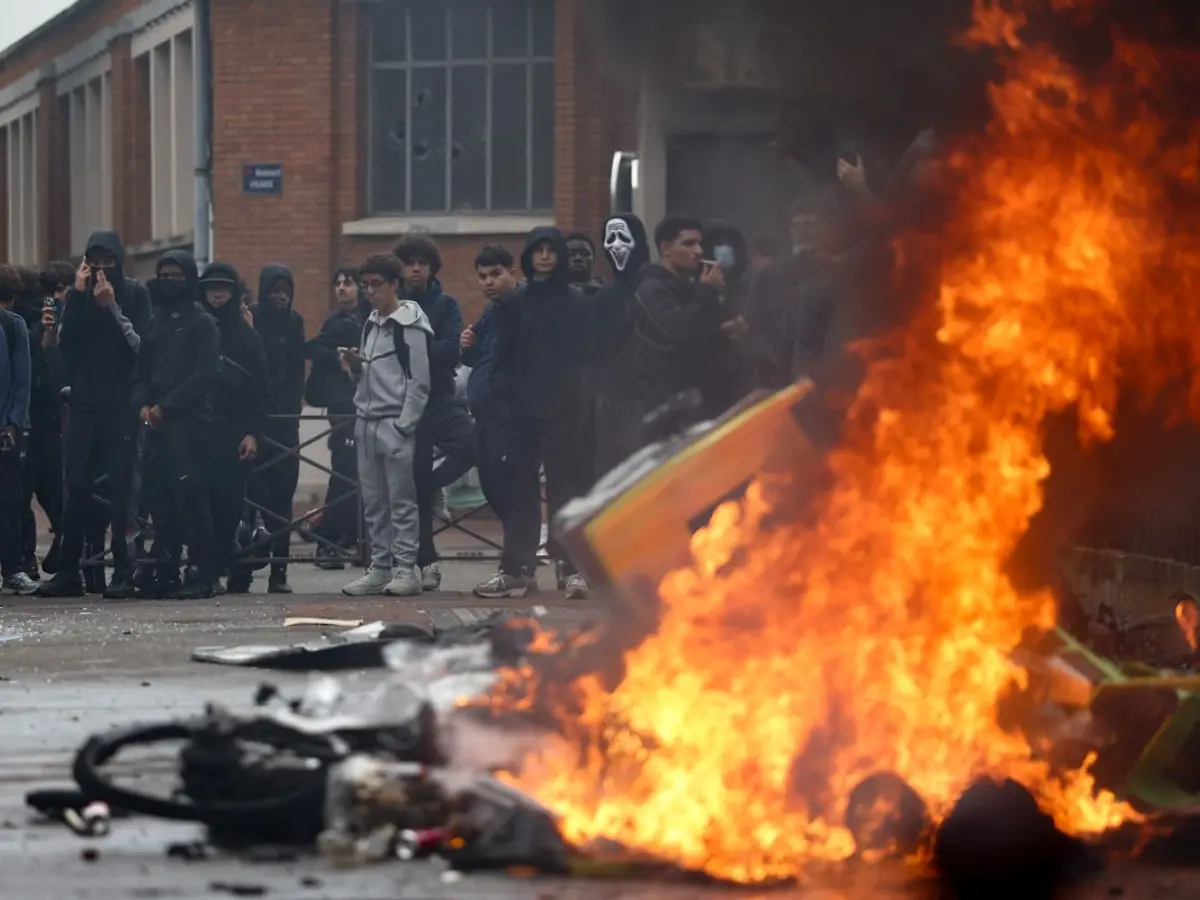
Students have blocked entrances to many schools across the country.
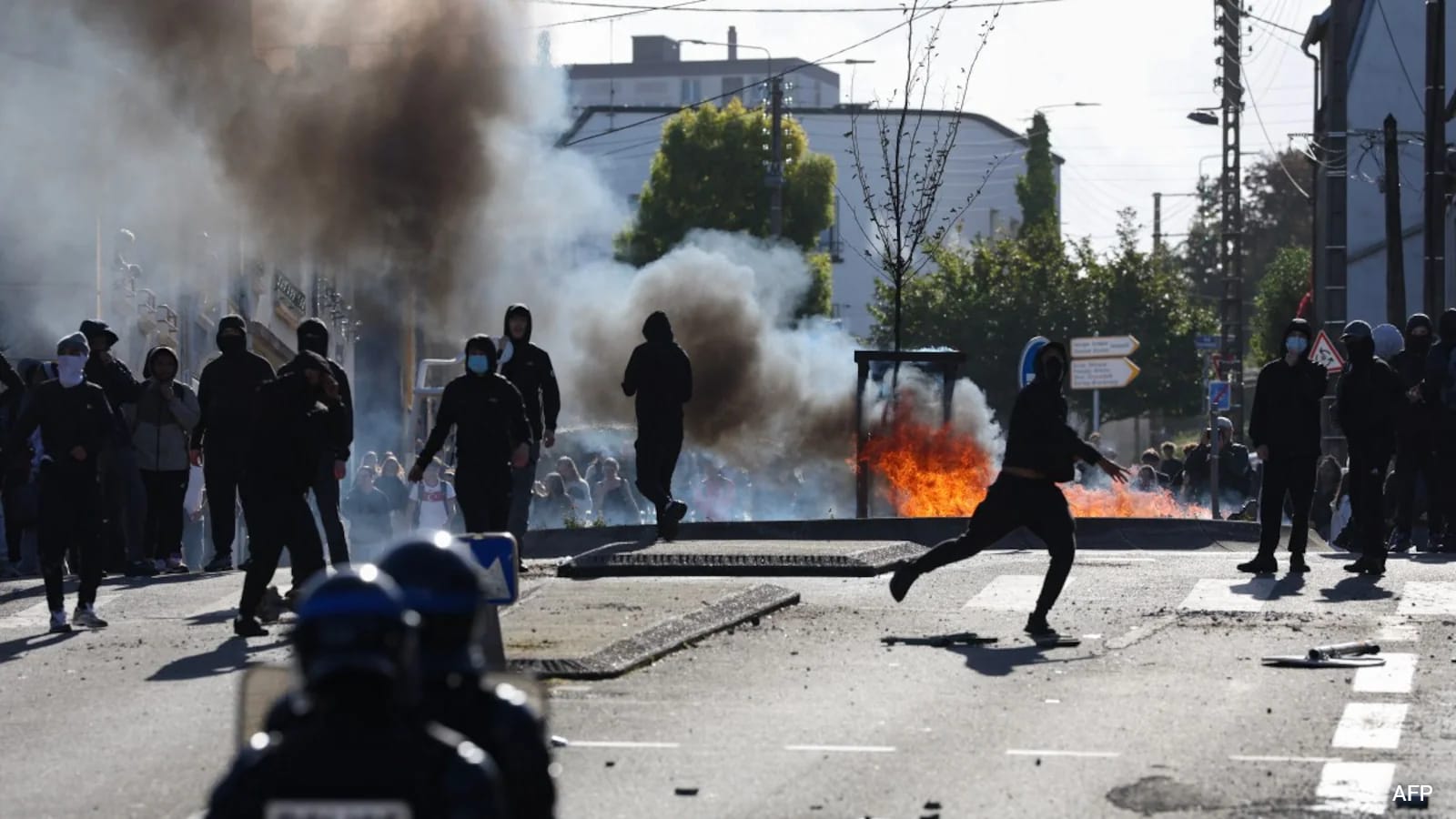
Some protests became violent, with fires and objects thrown at police.
Police used tear gas, batons and shields to disperse some crowds.
A police officer was seriously attacked in one city but was not in critical condition.
Government officials say violent groups are putting students and staff in danger.
Protesters say police have also used too much force.
The protests have led to many arrests, injuries and damaged schools.

Nearly 400 schools were closed and at least 564 high schools disrupted nationwide.
Students cited long school hours, inadequate conditions, overheated classrooms and staff shortages.
Police used tear gas and batons as some protesters threw projectiles and blocked schools.
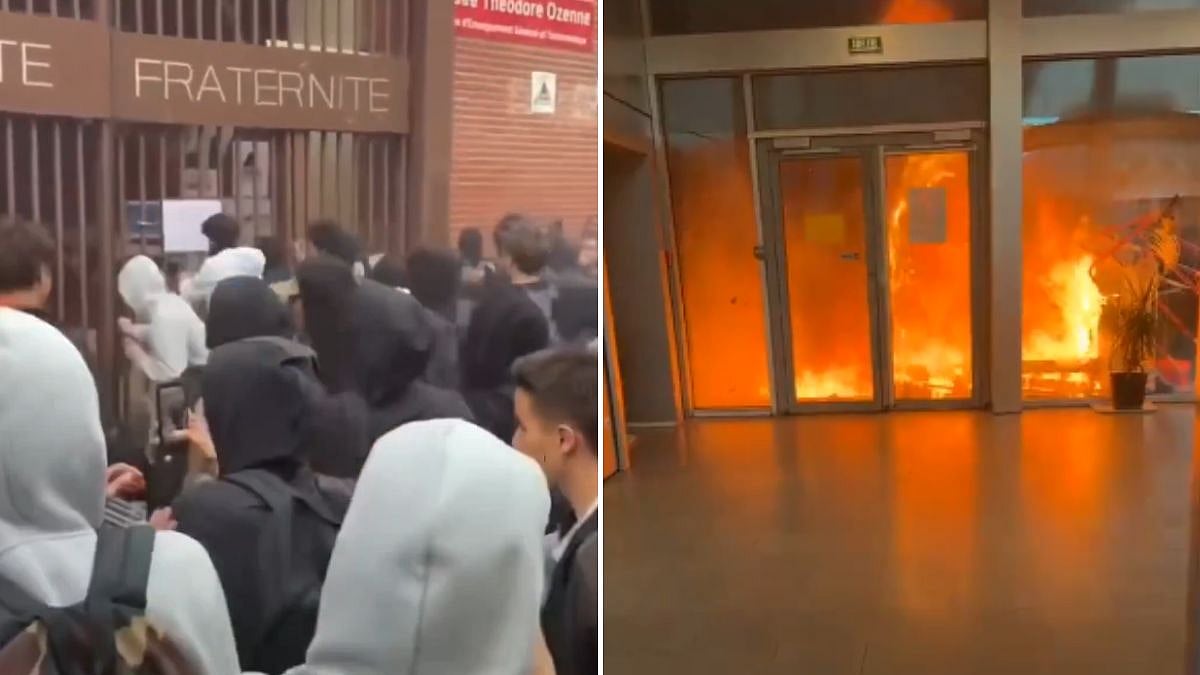
A policeman was beaten in Belfort, while fires damaged two Paris school entrances.
Officials reported injuries, arrests and property damage, while protesters accused police of excessive force.
- Who
- French high school students, police, education officials and government ministers are involved.
- What
- Nationwide high school protests over education conditions have involved blockades, fires, clashes, injuries and arrests.
- Where
- Protests and clashes occurred across France, including Paris, Brest, Belfort, Toulouse and Aubervilliers.
- When
- The movement began in September and escalated on Friday; it occurred less than six months before presidential elections.
- Why
- Students are protesting long school hours, inadequate facilities, overheated classrooms, missing textbooks and staff absences.
Students and Protest Supporters
Government and Authorities
Reasons for the protests
Students and Protest Supporters
Students say school hours are excessively long and that facilities, textbooks and staffing are inadequate.
Government and Authorities
Officials acknowledge students may air grievances but say protests must not involve violence or disrupt education.
Police conduct
Students and Protest Supporters
Students accuse police of excessive force and injuries from repeated tear-gas use; police brutality investigations were opened.
Government and Authorities
Authorities say police were responding to projectiles, blockades and violent confrontations, including attacks on officers.
Role of political groups
Students and Protest Supporters
France Unbowed official Manuel Bompard says the government is promoting conspiracy theories by blaming his party for the movement.
Government and Authorities
The government has accused France Unbowed of being behind the protests, while the education minister said ultra-violent fringe groups had taken over the student movement.
Key facts
- Schools disrupted
- At least 564 of France’s 3,700 high schools
- Schools closed
- Nearly 400
- Police custody
- Around 2,000 people, 90 percent of them minors
- Staff injuries
- At least 65, including 40 high school principals
- Student injuries
- About 170
- Damaged schools
- More than 100 suffered severe damage
- Arrest in Belfort attack
- A 17-year-old high school student
Quotes
Simon
A 15-year-old student outside Turgot high school in central Paris
“For a whole year, we didn't have a science teacher. We don't have any textbooks. And still, we're the lucky ones. It's even worse in the suburbs.”
 NDTV
NDTV
“We banned him from coming. I hope he isn't here, but he did leave the house, so... We're afraid the situation might escalate.”
NDTV

Edouard Geffray
France’s education minister
“What matters now is ensuring our children are no longer out on the streets, because they are in danger.”
NDTV
Sources
Related news
French Student Protests Escalate as Nearly 400 Schools Close
French Students Block Schools as Arrests and Injuries Rise
France Blames Radical Left as School Protests Turn Violent

Students Torch At Least Two Schools As Protests Rage France

France Protests Spread as Hundreds of Schools Close Nationwide

France School Protests Spread Amid Arrests and Police Scrutiny