

1 week ago
Tribunal Upholds Army Censure Over Topa Pir Civilian Custodial Deaths

Three civilians died after soldiers detained them for questioning in Jammu and Kashmir.
The detentions followed an ambush that killed four Army personnel in December 2023.
Reports said the civilians had injuries suggesting that excessive force or torture had been used.
Brigadier Acharya was the commander responsible for the sector overseeing the troops.
He was punished with a military censure called “severe displeasure” for two years.
Acharya challenged the punishment before the Armed Forces Tribunal.
The tribunal said soldiers may feel anger after losing comrades, but they must still follow military rules.
It also said civilians must be treated humanely and that excessive force is forbidden.
Since the punishment period had ended, the tribunal ordered that it not remain in his administrative file in this case.

The Armed Forces Tribunal upheld a two-year “severe displeasure” censure against Brigadier Padmasambhava Acharya.
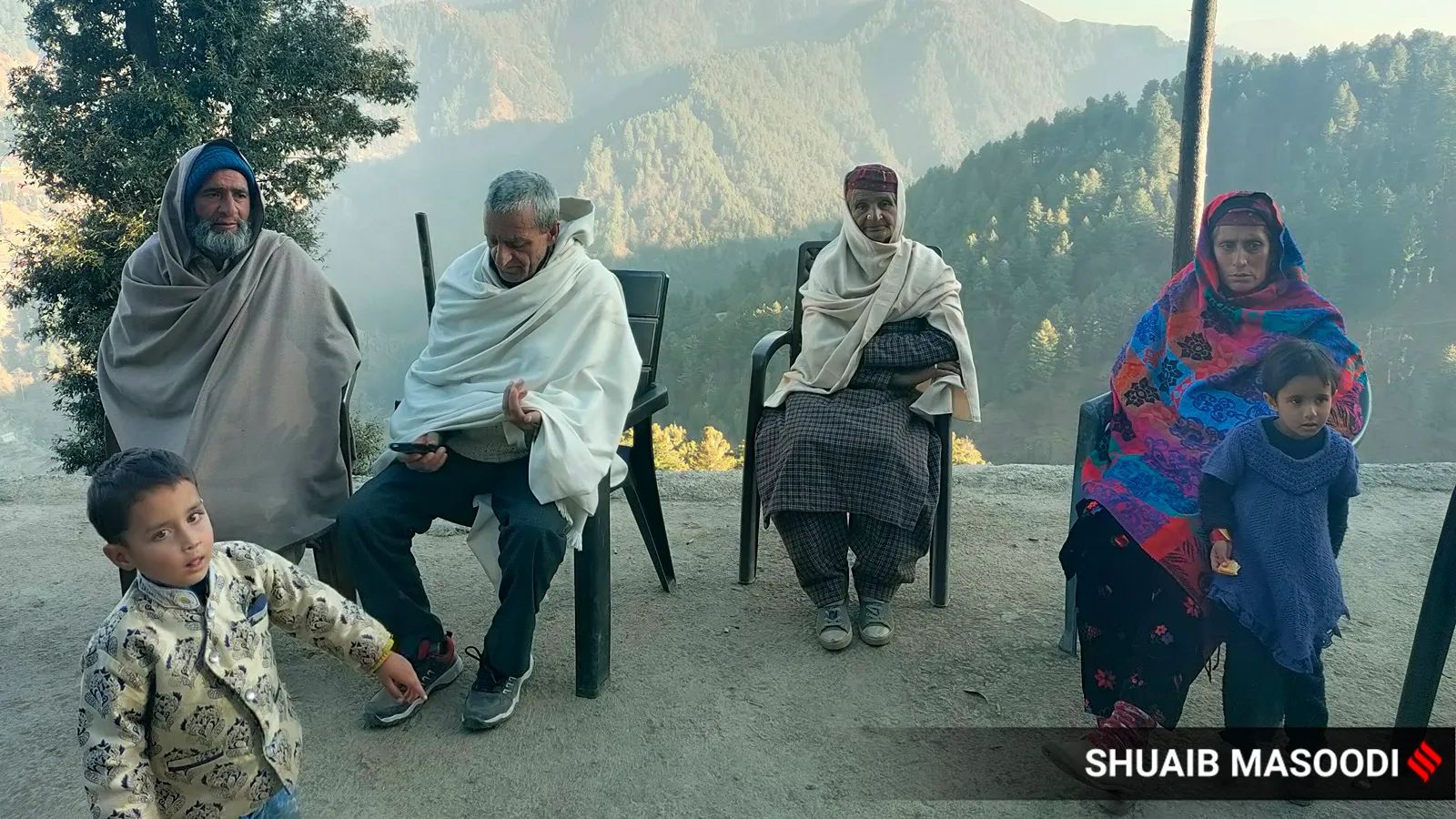
The case concerned three civilians who died after being detained during questioning following a December 2023 ambush in Poonch.
The tribunal said excessive force was used and that Acharya failed to ensure proper command, control, instructions, and restraint.
It ruled that emotional reactions after soldiers’ deaths cannot override military discipline or the duty to treat civilians humanely.
Because the two-year punishment had expired, authorities were directed not to retain it in Acharya’s administrative file as a case-specific exception.
- Who
- The Armed Forces Tribunal, Brigadier Padmasambhava Acharya, the Indian Army, Rashtriya Rifles troops, and three detained civilians were involved.
- What
- The tribunal upheld Acharya’s two-year “severe displeasure” censure over alleged excessive force and failures in command during civilian interrogations.
- Where
- The incident occurred around Dera Ki Gali and Topa Pir in Poonch district, Jammu and Kashmir; the case was heard by the Armed Forces Tribunal based in the Chandimandir area near Chandigarh.
- When
- The ambush occurred on December 21, 2023; the censure was awarded on July 8, 2024; and the tribunal issued its ruling after the two-year penalty period had elapsed.
- Why
- The action followed a Court of Inquiry into three civilian deaths and allegations that troops used excessive force during questioning.
Tribunal’s Findings
Acharya’s Challenge
Responsibility for the interrogations
Tribunal’s Findings
The tribunal held that direct command and control over ground operations rested with the commanding officer and sector commander, and that higher commanders visiting control rooms did not exercise micro-level control over tactical interrogations.
Acharya’s Challenge
Acharya argued that the Corps Commander and the General Officer Commanding of counter-insurgency force Romeo were present at the Dera Ki Gali control room and should share responsibility.
Validity of the censure
Tribunal’s Findings
The tribunal found no illegality or procedural violation requiring it to cancel the Army’s action, and upheld the two-year “severe displeasure” censure.
Acharya’s Challenge
Acharya challenged the censure and argued that the Corps Commander had acted as a judge in his own cause.
Emotions and military conduct
Tribunal’s Findings
The tribunal said anger after the brutal deaths of soldiers may be understandable, but military discipline, constitutional requirements, and human-rights safeguards must prevail and excessive force cannot be used.
Acharya’s Challenge
The articles do not provide a detailed response from Acharya disputing the tribunal’s broader conclusion about humane treatment and military discipline.
Key facts
- Officer
- Brigadier Padmasambhava Acharya, then commander of 13 Sector Rashtriya Rifles
- Punishment
- Two-year “severe displeasure” censure awarded by the General Officer Commanding of 16 Corps
- Civilian deaths
- Three civilian suspects died from injuries during interrogation
- Preceding attack
- A December 21, 2023 ambush killed four soldiers; the bodies of two were reported to have been mutilated
- Tribunal finding
- Excessive force violated the law and reflected failures of command, control, and clear instructions
- Officer’s challenge
- Acharya argued that higher commanders present at the control room should share responsibility and that the Corps Commander acted improperly
- File record
- The tribunal directed authorities not to retain the punishment in Acharya’s administrative file, limiting the decision to the facts of this case
Quotes
Armed Forces Tribunal Chandigarh Bench
The tribunal bench comprising Justice Sudhir Mittal and Lt Gen Rambir Singh.
“Excessive force was used in violation of the law. It was, thus, a failure of command and control function. Failure to stop use of excessive force and failure to pass clear directions were the direct fallout thereof.”
 thehansindia.com
“The Indian Army is not an ordinary army. The soldiers are our protectors. It is their duty to not only safeguard national interests, but also to win the hearts of the people.”
 indianexpress.com
Sources
Related news

Tribunal Removes Brigadier’s Censure, Angering Gujjar Leaders

Operation Sindoor Declassified Files Recall Pahalgam Terror Attack Response
CRPF Issues Show-Cause Notices to Eight Officers Over Skipped Lunch
Tourists Clash With Indian Army at Kargil Checkpoint

Pakistan restricts foreign media with strict registration and accreditation rules

Pakistan Busts Major Child Exploitation Network
