1 week ago
Mumbai Auto Drivers Protest Marathi Rule, Disrupt Commuters

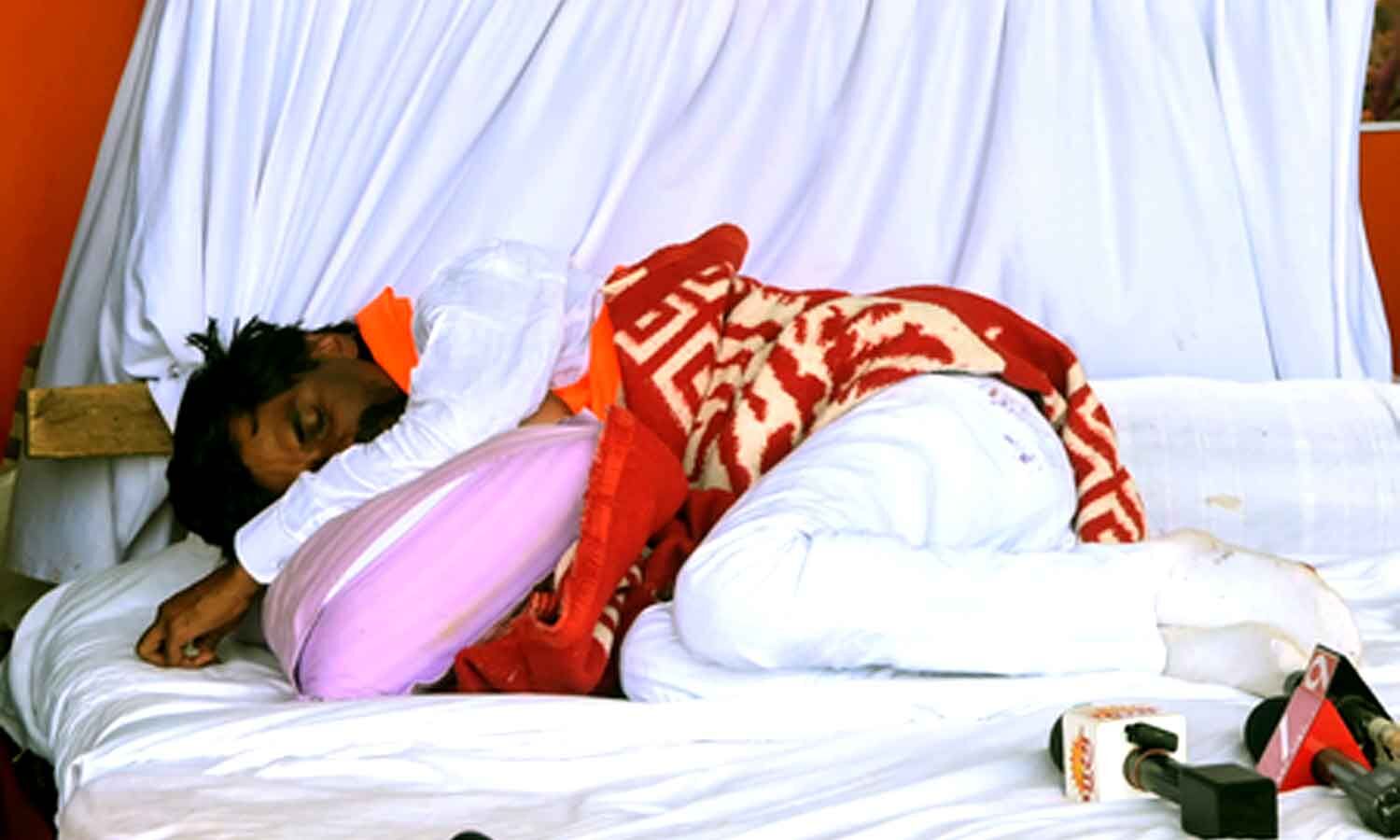
Some auto-rickshaw and taxi drivers in Mumbai protested a new Marathi language check.
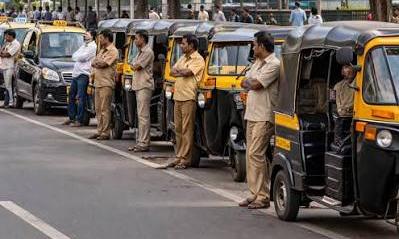
Several drivers said they were taking part in a three-day strike beginning Monday, August 24, 2026.
They said older drivers and people who had little schooling could not learn Marathi quickly.
They also worried that they might have to pay large fines or lose their licences and badges.
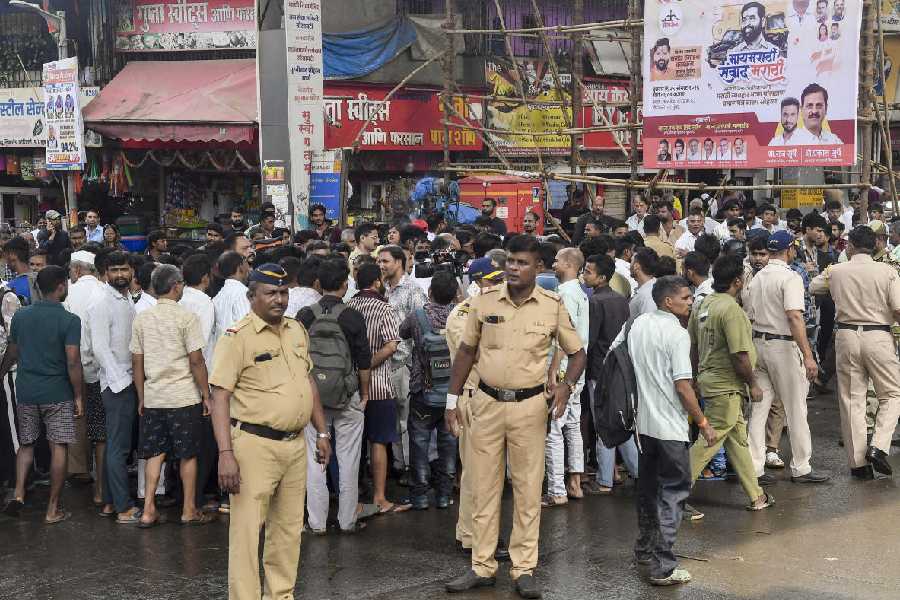
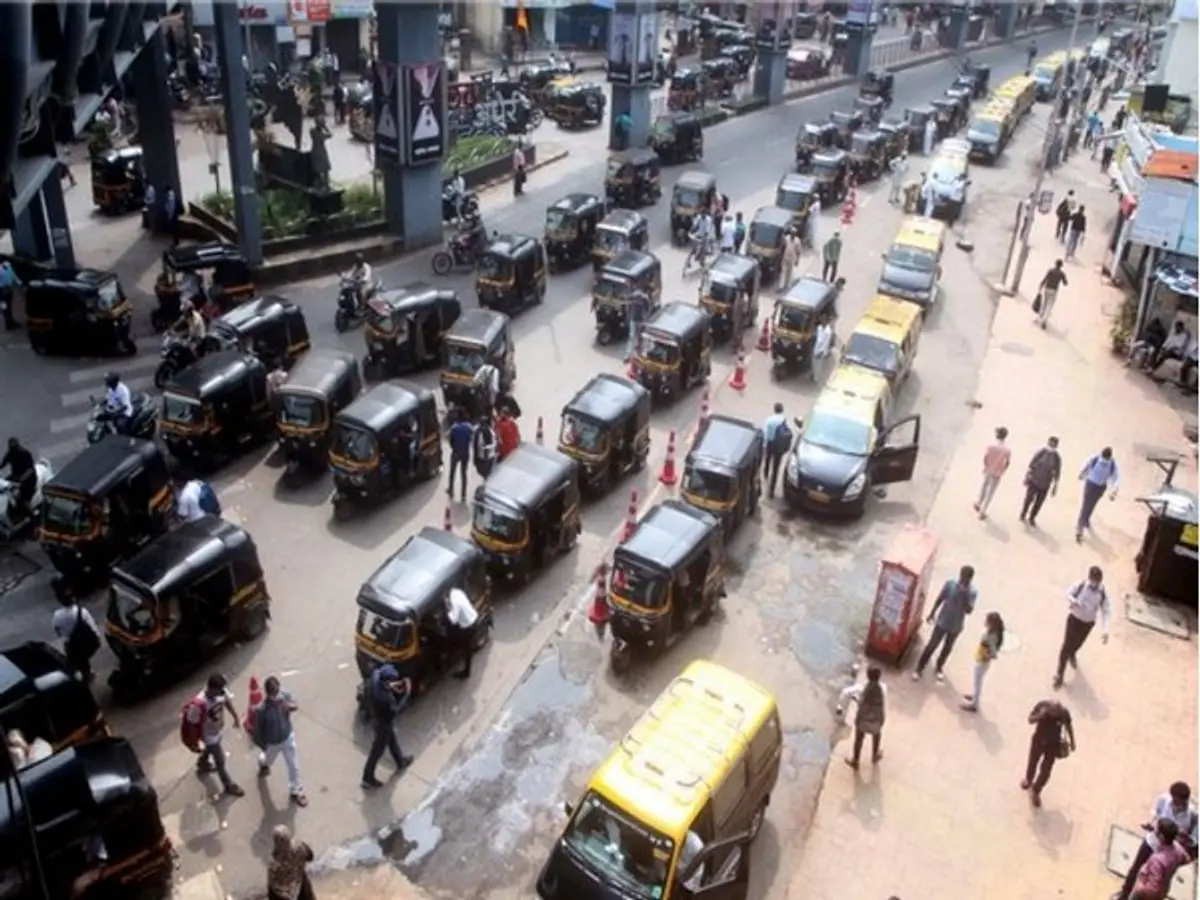
Protests in some western suburbs caused traffic jams and allegedly stopped some drivers from carrying passengers.
Police dispersed a road blockade in Kandivali.
A union leader said no union had officially called a strike, while another union asked for more time instead of an exemption.
Government officials said drivers would first be given an opportunity to learn Marathi.
Authorities said continued failure to comply could eventually lead to suspension or cancellation of licences and badges.

Some Mumbai autorickshaw drivers began or continued a reported three-day strike on August 24 over the Marathi proficiency requirement.
Protests and alleged vehicle blockades disrupted traffic and passenger services in Kandivali, Malad West, Santacruz, Dahisar, Andheri and other areas.
Drivers said older and less-educated workers could not learn Marathi suddenly and questioned reported fines of Rs 15,000 to Rs 20,000.
Auto and taxi unions requested a three-month extension and a pause on punitive action while drivers learn Marathi.
RTO teams assessed 9,233 drivers on August 21 and issued notices to 1,499 who lacked practical Marathi knowledge.
- Who
- Some Mumbai autorickshaw, taxi and cab drivers, commuters, police, transport officials, and auto-taxi union representatives.
- What
- Drivers protested and reportedly observed a three-day strike against Marathi proficiency checks, while some demonstrations disrupted transport.
- Where
- Mumbai areas including Kandivali, Malad West, Santacruz, Dahisar, Andheri, Bandra, Govandi, Vakola and Kurla; assessments took place across Maharashtra.
- When
- The reported protests began on Monday, August 24, 2026, with commuters facing further trouble on Tuesday; the assessment drive began on August 20.
- Why
- Drivers objected to the language requirement and feared financial or livelihood consequences, while the government said the policy was intended to ensure practical Marathi knowledge and preserve Maharashtra's language, identity and culture.
Government and Transport Officials
Protesting Drivers and Unions
Purpose of the language requirement
Government and Transport Officials
Officials said practical Marathi knowledge is required for autorickshaw and taxi drivers and that the drive aims to preserve Maharashtra's language, identity and culture without harming livelihoods.
Protesting Drivers and Unions
Drivers said many older or less-educated workers had never learned Marathi and could not be expected to speak it suddenly.
Fines and enforcement
Government and Transport Officials
Transport officials said reports of immediate fines ranging from Rs 5,000 to Rs 20,000 were misinformation. They said drivers would first receive an opportunity to learn Marathi.
Protesting Drivers and Unions
Drivers questioned how they could pay reported fines of Rs 15,000 to Rs 20,000 and said attempts to speak broken Marathi were not being recognised.
Strike and transition period
Government and Transport Officials
One union leader said no union had officially called a strike or agitation and attributed the protests to panic among some drivers.
Protesting Drivers and Unions
Some drivers described the action as a three-day strike, while union representatives sought three additional months to comply and a suspension of punitive measures.
Key facts
- Reported strike
- Some autorickshaw drivers said they began a three-day strike on August 24, 2026.
- Traffic disruption
- A road blockade at Laljipada in Kandivali West occurred during rush hour, while a separate Kandivali Link Road disruption reportedly lasted about 20 minutes.
- Alleged conduct
- Some protesters allegedly stopped autorickshaws, taxis and app-based cabs, forced passengers to deboard and attempted to damage vehicles.
- Assessment results
- RTO teams tested 9,233 drivers across Maharashtra on August 21; 1,499 were issued notices for lacking practical Marathi knowledge.
- Mumbai Metropolitan Region results
- Authorities assessed 3,942 drivers and vehicle owners in the Mumbai Metropolitan Region and issued 722 notices.
- Earlier notices
- RTOs issued notices to 1,268 commercial passenger-vehicle drivers on August 20, bringing the two-day total to 2,767.
- Possible enforcement
- Officials said drivers would initially be allowed to learn Marathi; continued non-compliance could lead to three-month licence and badge suspensions followed by cancellation.
- Union request
- Auto and taxi unions sought a three-month extension and asked that punitive action be suspended during the transition period.
Quotes
An auto-rickshaw and taxi union leader
A union leader who attributed the protests to panic among drivers unable to speak Marathi
“There is a three-day autorickshaw strike. This has been called over the Marathi language directive. Nobody is listening to us. If you ask a 60-year-old person to suddenly speak Marathi, how will they do it? We want justice.”
 freepressjournal.in
“We have never been to school. How can we speak Marathi? Had we been educated, we would have been sitting in an office. We are trying to speak broken Marathi, but that is not being considered; we are being penalised instead.”
freepressjournal.in
Sources
Mumbai Auto Strike Day 2: Commuters Face Trouble Over Marathi Rule As Rickshaw Drivers Continue Protest
Mumbai commuters face disruptions as auto, taxi drivers protest Marathi language drive, block vehicles
Watch: Mumbai Autorickshaw Drivers Launch 3-Day Strike Over Marathi Language Requirement & ₹20,000 Fine; Say ‘We Want Justice’
Mumbai Auto, Cab Drivers Protest Marathi Language Drive, Commuters Hit
Related news
Mumbai Auto, Taxi Protests Over Marathi Fine Rumours

Kandivali Auto Protest Erupts Over Marathi Language Requirement
Maharashtra Language Row Deepens Over Marathi Driver Assessments
Maharashtra Auto, Taxi Drivers Protest Marathi Licensing Rule

Mira Road Rickshaw Protest Escalates Over Marathi Language Rule
Maharashtra Tests Auto Drivers’ Marathi Skills, Issues Notices

Stocks to Watch Thursday as Key Corporate Developments Drive Focus
Jarange Accuses Maharashtra Government of Inciting Riots During Fast
Mumbai Trains Election Officials Amid Statewide Electoral Roll Revision
Bombay Gymkhana Squash Finals Set After Junior Semifinals
NMMC Launches Navi Mumbai Drive to Protect Existing Trees