3 days ago
FIIDS Backs Tighter H-1B Scrutiny, Defends Innovation

The H-1B program allows some U.S. employers to hire highly skilled workers from other countries.
The Trump administration said some employers have misused the program.
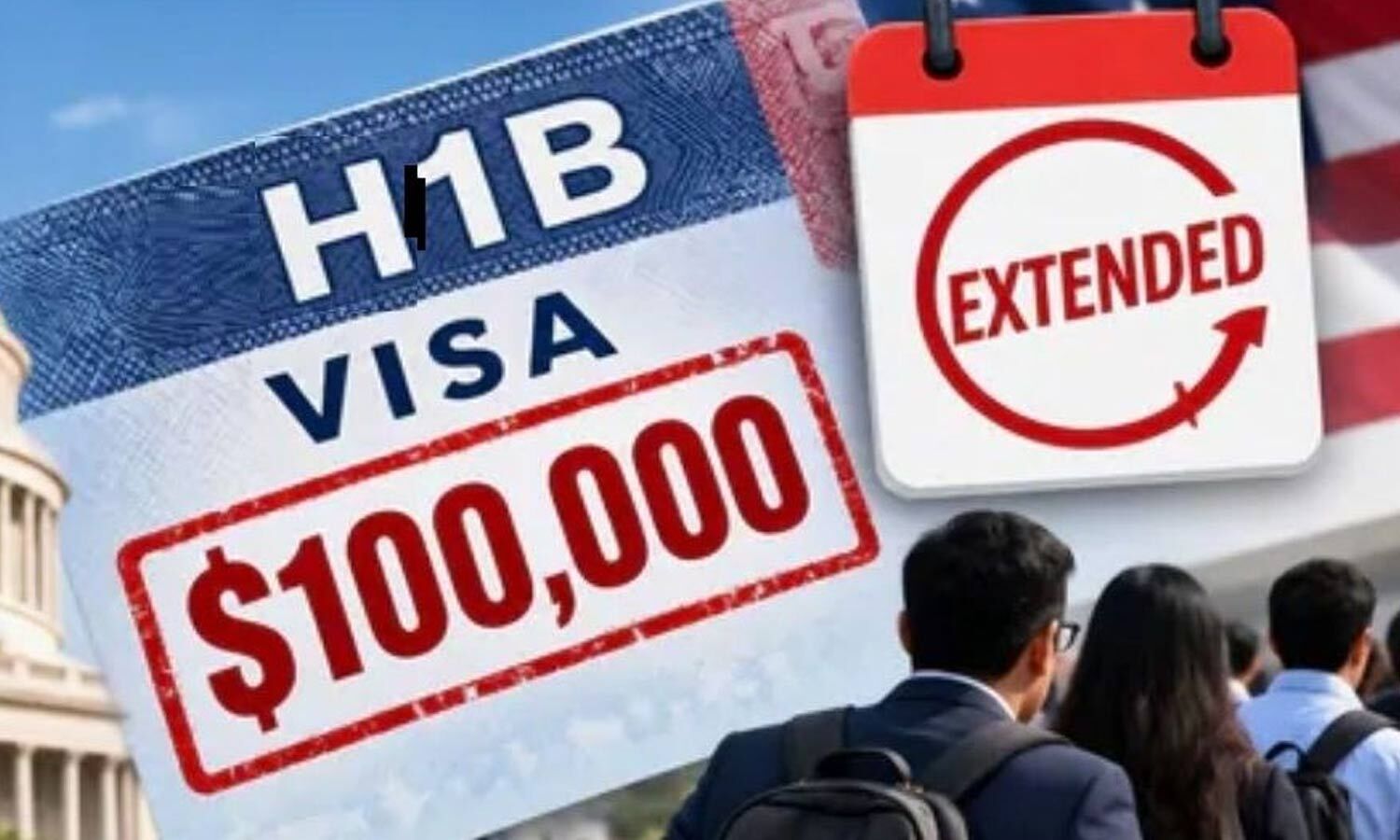
It extended a USD 100,000 payment requirement for certain H-1B petitions for another year.
It also told agencies to check whether American workers in similar jobs were recently or may soon be laid off.
FIIDS said fraud, exploitation, and discrimination should be addressed.
However, FIIDS said some industries cannot quickly find enough Americans with very specialized skills.
It mentioned fields such as artificial intelligence, cybersecurity, semiconductors, cloud infrastructure, and data engineering.
FIIDS wants stronger enforcement, fair wages, worker protections, and more training for Americans.
It also wants employers to have a predictable way to hire qualified global workers when a documented need remains.

FIIDS welcomed stronger oversight of H-1B visa applications and action against program abuse.
The group warned that restrictions should not limit U.S. innovation or access to highly specialized talent.
FIIDS cited skills gaps in artificial intelligence, cybersecurity, advanced semiconductors, cloud infrastructure, and data engineering.
President Donald Trump extended by one year a USD 100,000 payment requirement for certain H-1B petitions.
A separate order directs agencies to consider recent or planned layoffs of similarly situated American workers when reviewing applications.
- Who
- The Trump administration and the Foundation for India and Indian Diaspora Studies, represented by Chief of Policy and Strategy Khanderao Kand.
- What
- The administration tightened H-1B oversight, while FIIDS supported anti-abuse measures but urged protection for innovation and legitimate specialized hiring.
- Where
- The United States.
- When
- The measures and FIIDS statement were reported on September 19, 2026; the USD 100,000 payment requirement originated in a 2025 measure.
- Why
- The administration said the actions aim to improve program integrity and prevent employers from undercutting or displacing American workers; FIIDS said specialized skills gaps require continued access to global talent.
FIIDS’ Position
Trump Administration’s Position
Purpose of oversight
FIIDS’ Position
FIIDS supports addressing fraud, exploitation, discrimination, and noncompliance, but favors evidence-based enforcement focused on demonstrable misconduct rather than assumptions based solely on company size or visa usage.
Trump Administration’s Position
The administration says the H-1B program has been widely misused by certain employers, including IT outsourcing firms, and needs stronger scrutiny to protect American workers.
Hiring specialized workers
FIIDS’ Position
FIIDS says employers should retain a transparent, merit-based and predictable way to hire global talent when documented specialized needs cannot be filled immediately by domestic workers.
Trump Administration’s Position
The administration directs agencies to consider recent or planned layoffs of similarly situated American workers to prevent employers from undercutting or displacing them.
Payment requirement
FIIDS’ Position
FIIDS emphasizes balanced enforcement and continued access to specialized talent rather than directly endorsing a broad financial barrier.
Trump Administration’s Position
The administration extended the USD 100,000 payment requirement for certain H-1B petitions by one year and said the 2025 measure reduced registrations by large IT outsourcing firms by 92 percent.
Key facts
- Visa program
- H-1B
- Extended payment requirement
- USD 100,000 for certain H-1B petitions
- Extension period
- One year
- Reported effect on large IT outsourcing firms
- A 92 percent decrease in H-1B registrations after the 2025 payment measure
- Additional review factor
- Recent or planned layoffs of similarly situated American workers
- Largest beneficiary group
- Indians
- FIIDS position
- Strict anti-fraud enforcement alongside domestic training and a lawful route for documented specialized hiring
Quotes
Khanderao Kand
Chief of Policy and Strategy at FIIDS
“The answer is not to pit American workers against high-skilled immigrants. The answer is a transparent, enforceable, merit-based system: rigorous anti-fraud enforcement; meaningful consequences for bad actors; strong wage and recruitment safeguards; substantial investment in domestic education, training, and reskilling; and a lawful, predictable avenue for employers to hire global talent when a documented specialized need remains.”
 theprint.in
 thehindubusinessline.com
“In fields such as artificial intelligence, cybersecurity, advanced semiconductors, cloud infrastructure, and specialised data engineering, employers can face real and highly specific skills gaps that cannot always be filled immediately from the available domestic labour pool.”
theprint.in
thehindubusinessline.com
Sources
Related news

Trump Extends $100,000 H-1B Fee, Tightens Visa Scrutiny
H-1B Crackdown Raises Questions About America’s Global Talent Appeal

Trump Tightens H-1B Oversight and Renews $100,000 Visa Fee
Trump Extends $100,000 H-1B Fee Through September 2027
Trump Extends $100,000 H-1B Fee Order Amid Legal Challenges
Nasscom Warns Proposed H-1B Fee Could Limit Skilled Talent
New Order Targets H-1B Employers Cutting American Jobs