2 hrs ago
CENTCOM Rejects Iran’s Strait of Hormuz Closure Claim
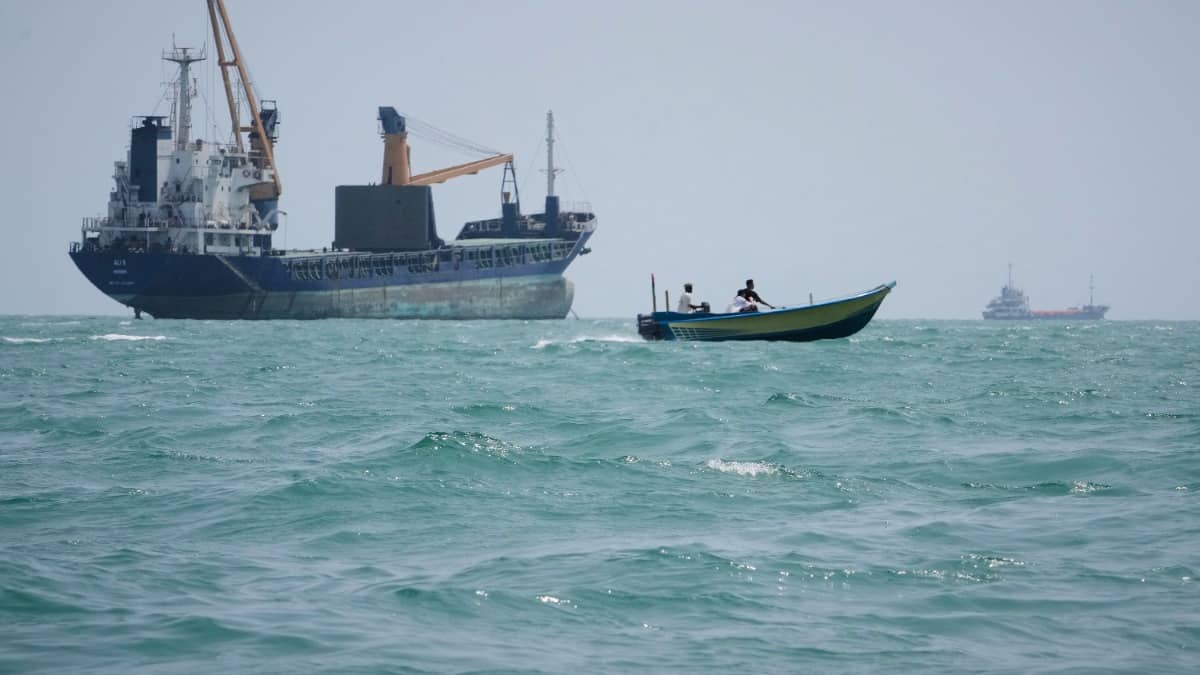
The Strait of Hormuz is an important route for ships carrying oil and other goods.
US Central Command says ships are still passing through it.
It says those ships are carrying commercial goods and energy supplies, including 20 million barrels of crude oil.
An Iranian military adviser has said Iran considers the strait under its control and may close routes it views as illegal.
Iran also says it and Oman have agreed on safe routes for ships.
The two countries plan to share their understanding with an international body.
These statements come during the conflict between the United States and Iran.
The two sides have also made different claims about control of the waterway and how the conflict might end.

US Central Command said the Strait of Hormuz remains open to commercial and energy traffic.
CENTCOM said vessels were carrying goods and energy supplies, including 20 million barrels of crude oil.
Iranian official Mohammadreza Naqdi repeated Tehran’s position and warned that routes it considers illegal could be closed.
Iran said it had agreed with Oman on safe vessel routes and planned to present the understanding to an international body.
The opposing claims come amid the ongoing US-Iran conflict and competing proposals to end it.
- Who
- US Central Command, Iranian officials, and Oman.
- What
- CENTCOM rejected Iran’s claim that the Strait of Hormuz is closed; Iran described plans for safe vessel routes with Oman.
- Where
- The Strait of Hormuz and the Gulf region.
- When
- Wednesday, local time; the report also describes events during the ongoing US-Iran conflict.
- Why
- The statements reflect heightened tensions and competing claims over control, vessel access, and efforts to end the conflict.
US claims
Iranian claims
Whether the strait is closed
US claims
CENTCOM said the claim that the Strait of Hormuz is closed is false and that commercial and energy traffic is moving through it.
Iranian claims
Iranian adviser Mohammadreza Naqdi reiterated Tehran’s position on the waterway and warned that routes Iran considers illegal would soon be closed.
Control of maritime traffic
US claims
CENTCOM said the United States and regional partners control the strait; Trump also claimed the US Navy controlled it and was enforcing a blockade.
Iranian claims
Naqdi said Iran had full control of the strait, according to the claim quoted by CENTCOM.
Diplomacy and safe passage
US claims
The article says Trump rejected Iran’s proposed peace plan, while US officials offered a counterproposal to revive negotiations.
Iranian claims
Iran said it was pursuing diplomacy and had reached an understanding with Oman on safe vessel routes.
Key facts
- US military statement
- CENTCOM said the strait was open and traffic was moving through it.
- Reported cargo
- CENTCOM cited commercial goods and energy supplies, including 20 million barrels of crude oil.
- Iranian military adviser
- Mohammadreza Naqdi said routes considered illegal by Iran would soon be closed.
- Iran-Oman understanding
- Iranian spokesperson Esmaeil Baghaei said the countries had agreed on geographical coordinates for safe routes to and from the strait.
- Planned next step
- Baghaei said the understanding would soon be presented to a relevant international body.
- Iranian peace proposal
- Foreign Minister Abbas Araghchi said Iran’s delegation presented the US with a proposed seven-day peace plan to reopen the strait.
- US response
- The article says President Donald Trump rejected the Iranian proposal and US officials issued a counterproposal.
Quotes

US Central Command (CENTCOM)
US military command that issued the statement about traffic through the Strait of Hormuz.
“Traffic is flowing through the Strait of Hormuz right now carrying commercial goods and energy supplies, including 20 million barrels of crude oil.”
 republicworld.com

Esmaeil Baghaei
Iranian Foreign Ministry spokesperson.
“The consultation process between Iran and Oman has been carried out well, and the two sides, in addition to agreeing on the geographical coordinates of safe routes to and from the Strait of Hormuz, have also reached an understanding on how to reflect the issue at the relevant international authority level, which, God willing, will be done soon.”
republicworld.com
Sources
Related news

Iran Rejects US Claim of Record Hormuz Traffic
Iran Ties Hormuz Reopening and Talks to US Conditions
Iran Sets Seven Conditions Before Reopening Strait of Hormuz
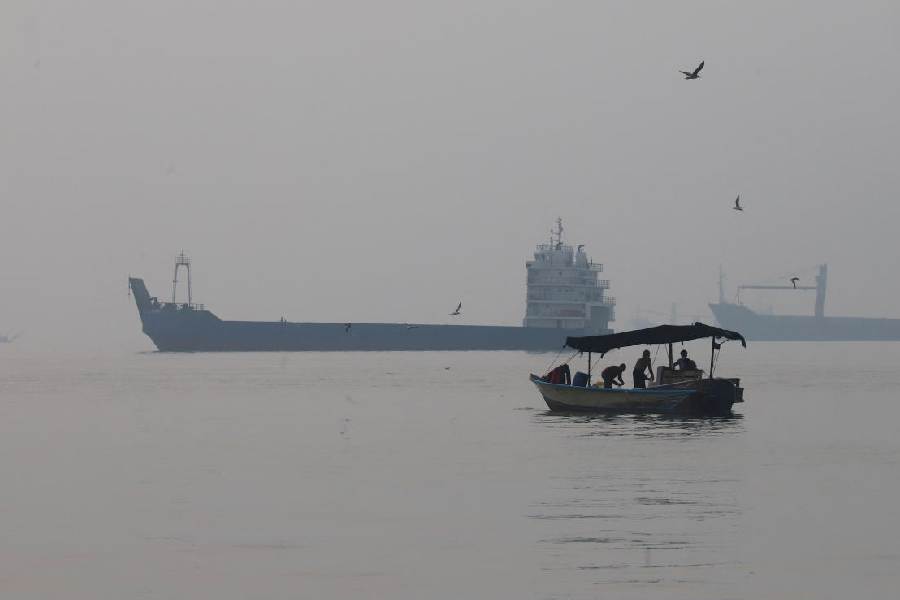
Iran Says It Will Close Illegal Strait of Hormuz Routes
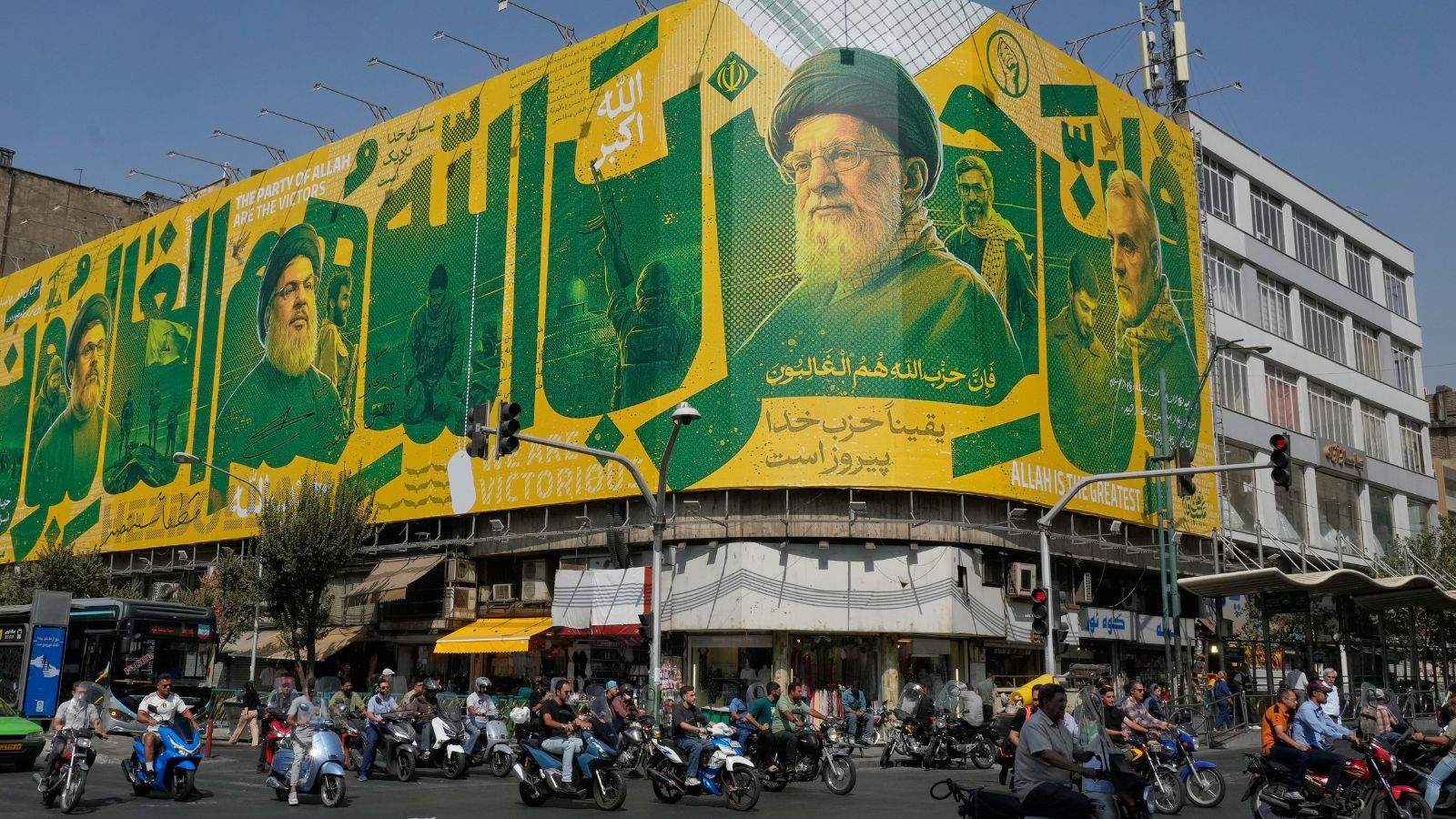
US-Iran standoff deepens as diplomacy and military threats continue
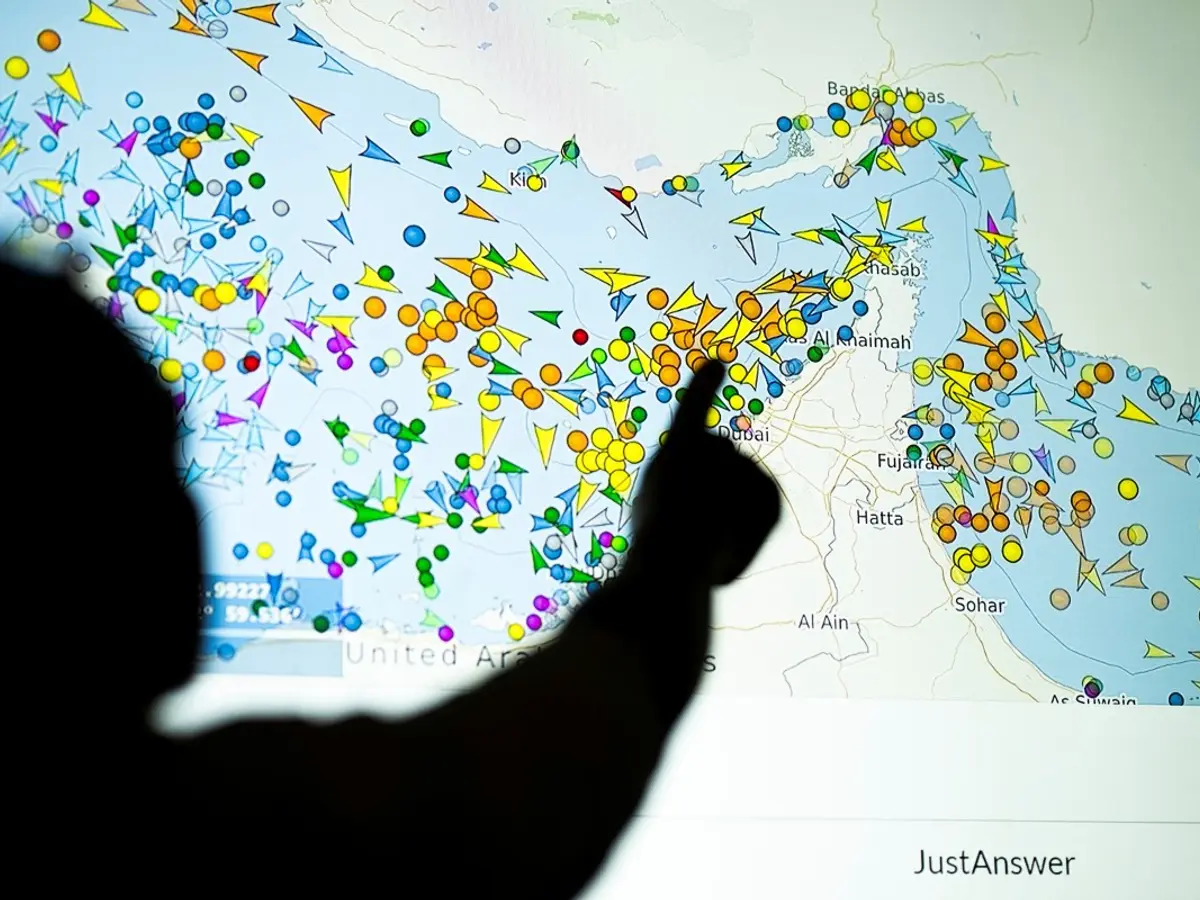
Iran and Oman Agree on New Hormuz Navigation Routes

Trump Weighs Renewed Iran Strikes as Military Prepares Options
LPG, CNG and PNG Rates Across Cities on October 8

Eastern Maritime Corridor Could Diversify India’s Energy Routes

Petrol and diesel prices hold steady across Indian cities