2 hrs ago
Eastern Maritime Corridor Could Diversify India’s Energy Routes
India buys much of its energy from other countries and brings it by ship.
Many of those ships use routes that can be disrupted, and much of India’s energy infrastructure is on the west coast.
The article says a route between Chennai and Vladivostok could give India another way to trade with Russia.
It could also be shorter than the route through the Suez Canal.
But the corridor does not yet have a regular direct shipping service.
Some cargo travels indirectly through other ports, making delivery times and costs less predictable.
The article says shipping companies need enough cargo to make regular trips worthwhile, while businesses need dependable schedules before using the route.
It suggests temporary government support and cooperation to help get regular sailings started.
The goal is for the corridor to carry goods in both directions, not just Russian exports to India.

India relies heavily on imported oil, gas and maritime supply routes, many of which are concentrated on its west coast.
The article argues that the Eastern Maritime Corridor (EMC), linking Chennai and Vladivostok, could provide an alternative route for trade with Russia.
The EMC is described as a shorter route than the Suez Canal route, but current cargo services often use indirect transhipment and can take around 34 days.
Although the corridor was announced as operational in November 2024 and cargo is moving, the article says there is no regular direct liner service between major Indian and Russian Far Eastern ports.
The article proposes temporary incentives, cargo commitments and cooperation between shipping companies to help establish reliable sailings and balance trade flows.
- Who
- India and Russia, along with shipping companies, port authorities and businesses.
- What
- The Eastern Maritime Corridor is proposed as an alternative trade route, but the article says regular direct liner service is still missing.
- Where
- Between Chennai, India, and Vladivostok, Russia, with links to wider Russian and Arctic transport networks.
- When
- The corridor was launched in 2019 and announced as operational in November 2024; the article also cites industry dialogues in 2026.
- Why
- To diversify India’s energy and trade routes, reduce exposure to maritime chokepoints and improve the reliability of India-Russia trade.
Key facts
- Route
- Chennai–Vladivostok, also called the Eastern Maritime Corridor
- Launch
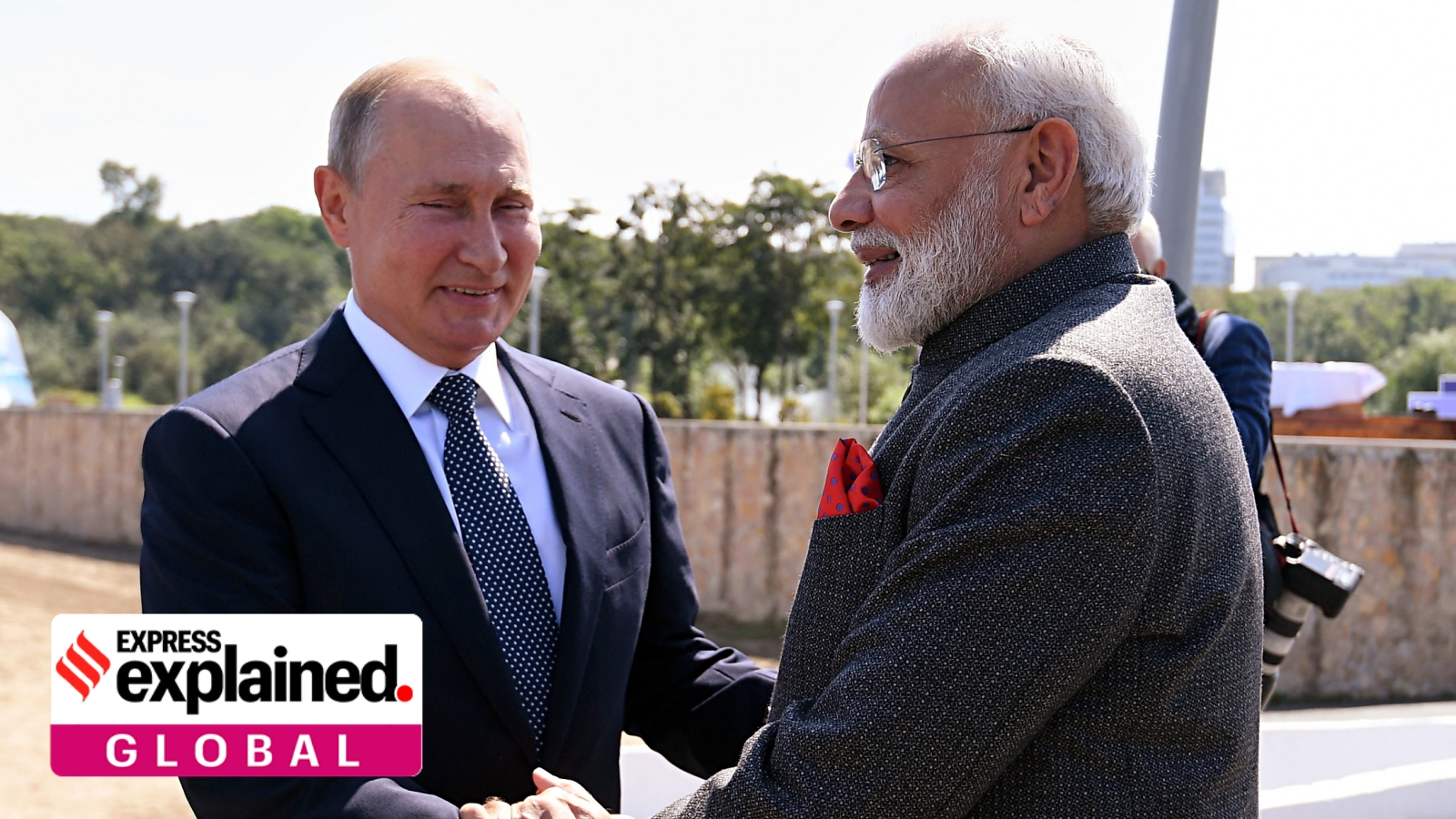
- Launched in 2019 by Indian Prime Minister Narendra Modi and Russian President Vladimir Putin
- Distance and time cited
- The article gives 10,470 km and 24 days for the EMC, compared with 16,070 km and 36 days via Suez
- Reported operating status
- Announced as operational in November 2024, with cargo moving, but without a regular direct liner service
- Indirect service example
- Some services routed through Asian ports such as Ningbo or Shanghai have taken around 34 days
- Bilateral trade
- India-Russia trade reached $68.7 billion in FY 2024-25; Indian exports were $4.9 billion and Russian exports to India about $63.8 billion
- Proposed measures
- Temporary subsidies, preferential port charges, guaranteed berthing windows, minimum-volume commitments and joint shipping agreements
Sources
Related news
UAE Expands East Coast Ports Amid Strait of Hormuz Blockade
India's Energy Crisis Exposes Risks And Demands A Transport Revolution
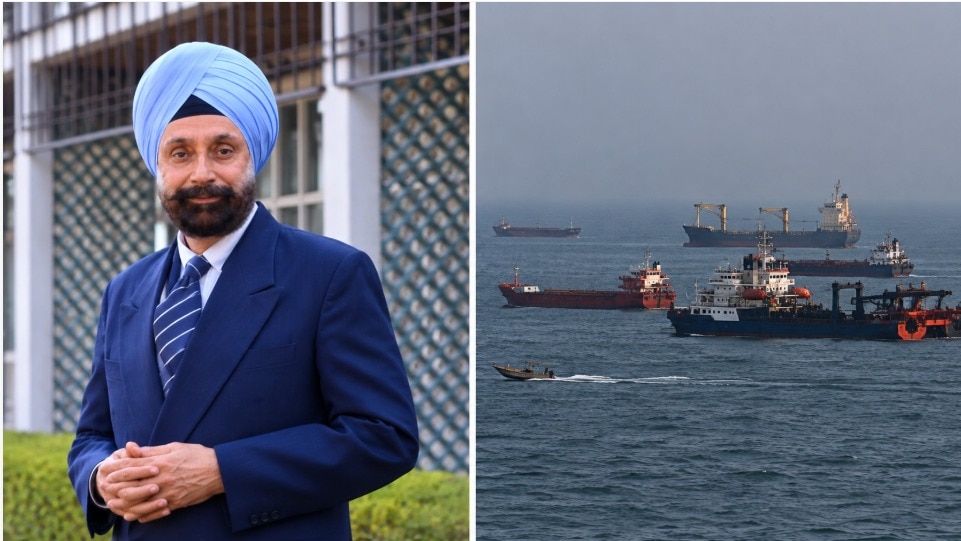
Strait of Hormuz Disruptions Highlight India’s Energy Security Vulnerabilities
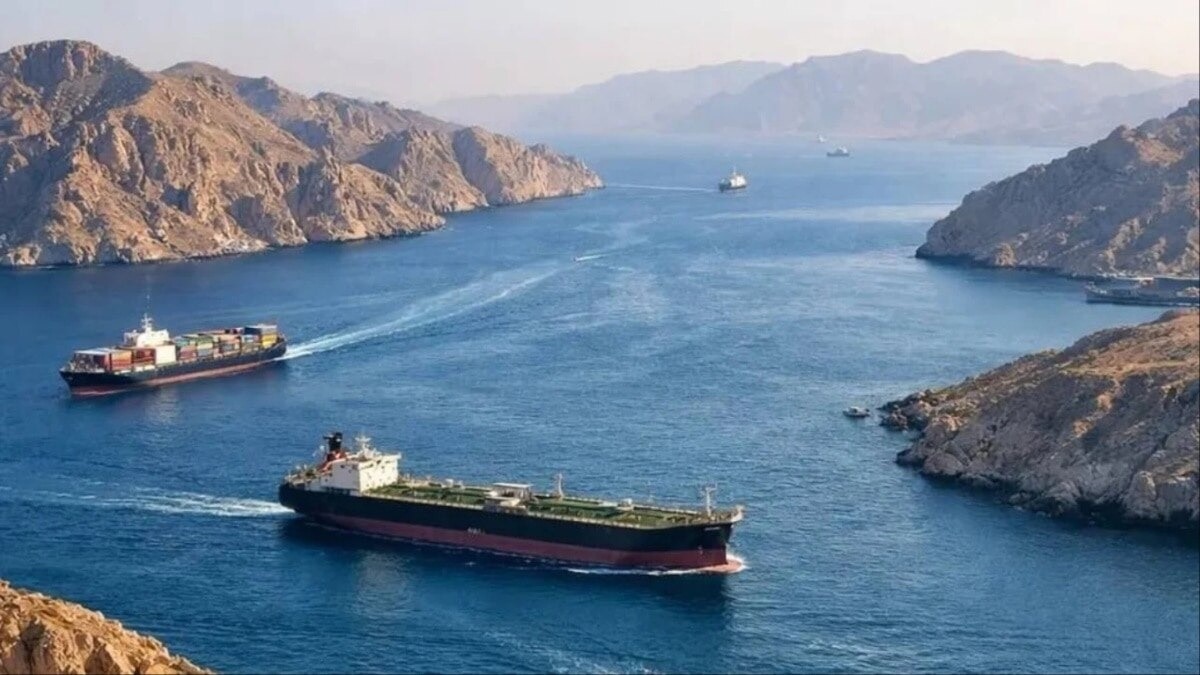
West Asia Crisis Prompts Calls for India Energy Diversification
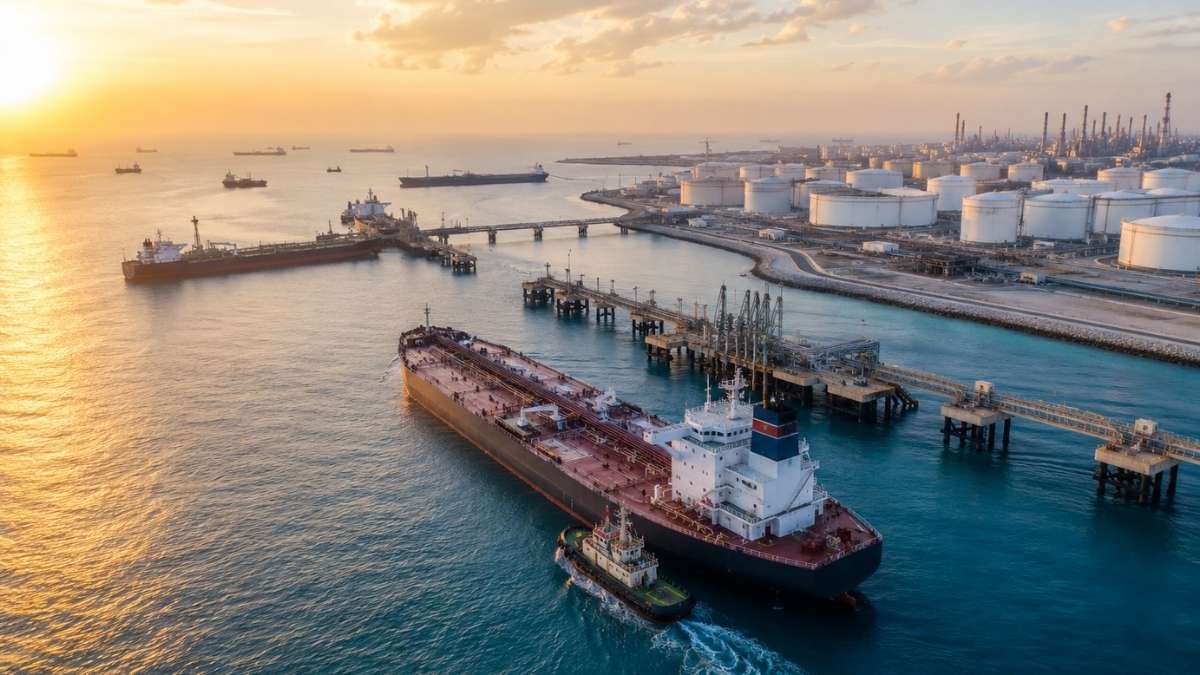
Ship Transfers Lift India’s Gulf Oil Imports as Russian Supplies Tighten
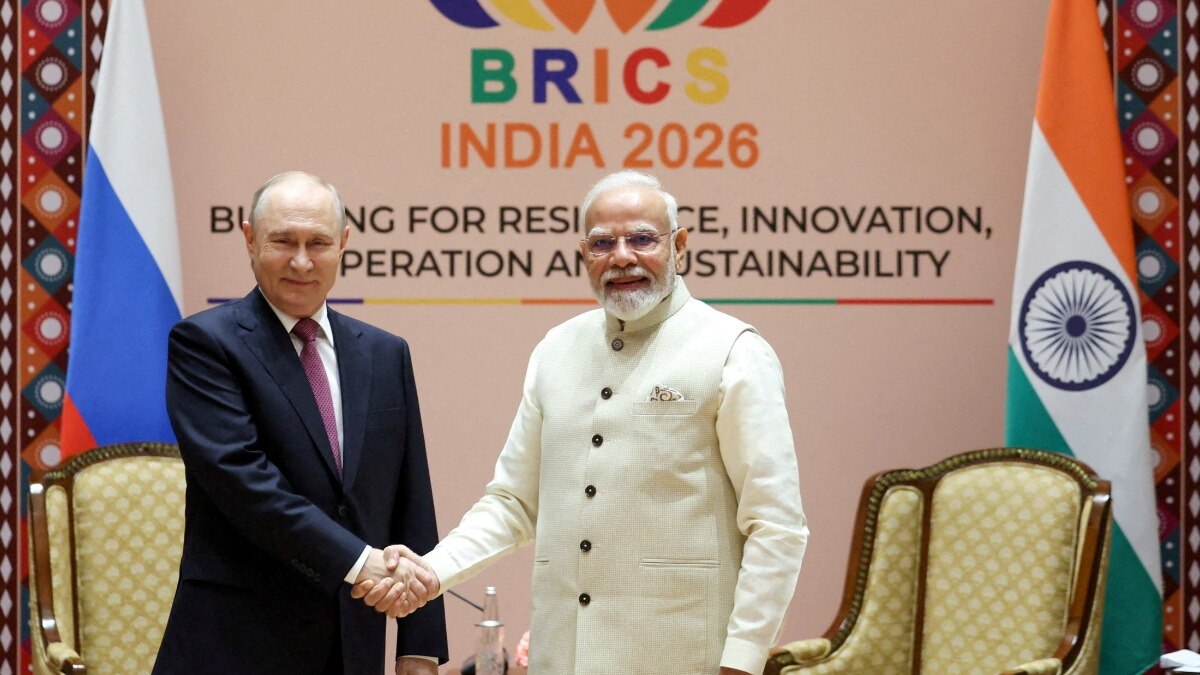
Putin Proposes New India-Russia Trade Routes Amid Hormuz Risks

Trump Weighs Renewed Iran Strikes as Military Prepares Options
LPG, CNG and PNG Rates Across Cities on October 8
CENTCOM Rejects Iran’s Strait of Hormuz Closure Claim

Petrol and diesel prices hold steady across Indian cities