2 hrs ago
India’s Electoral System Needs Reform Beyond SIR and CEC
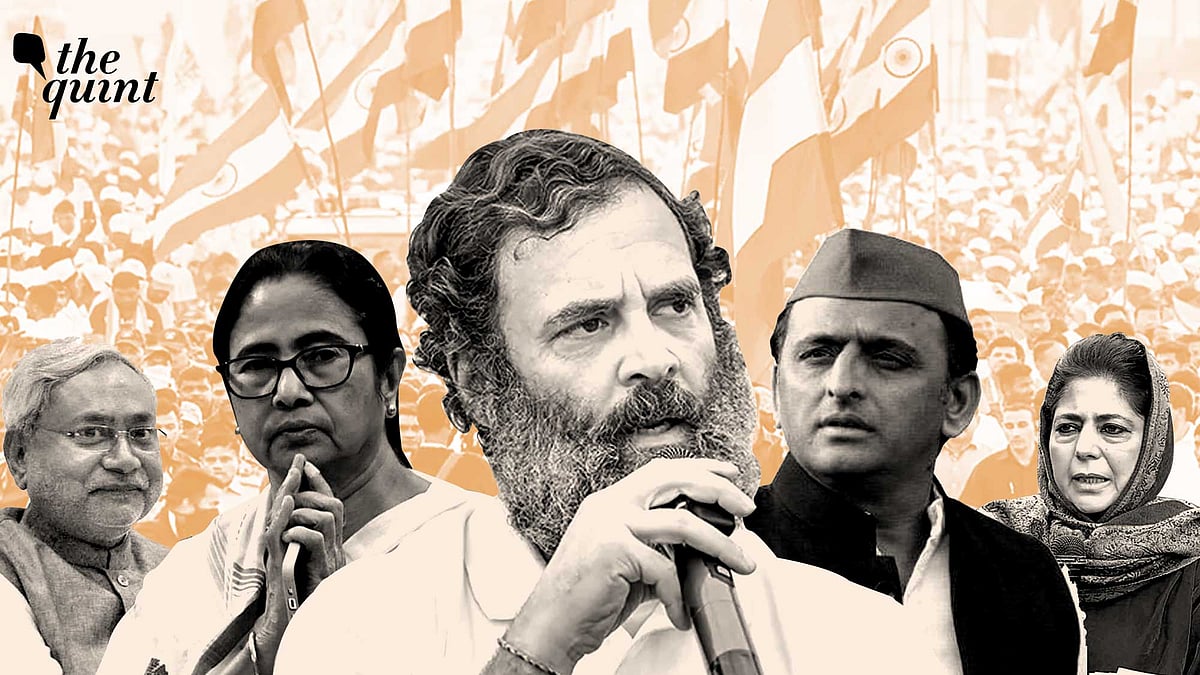
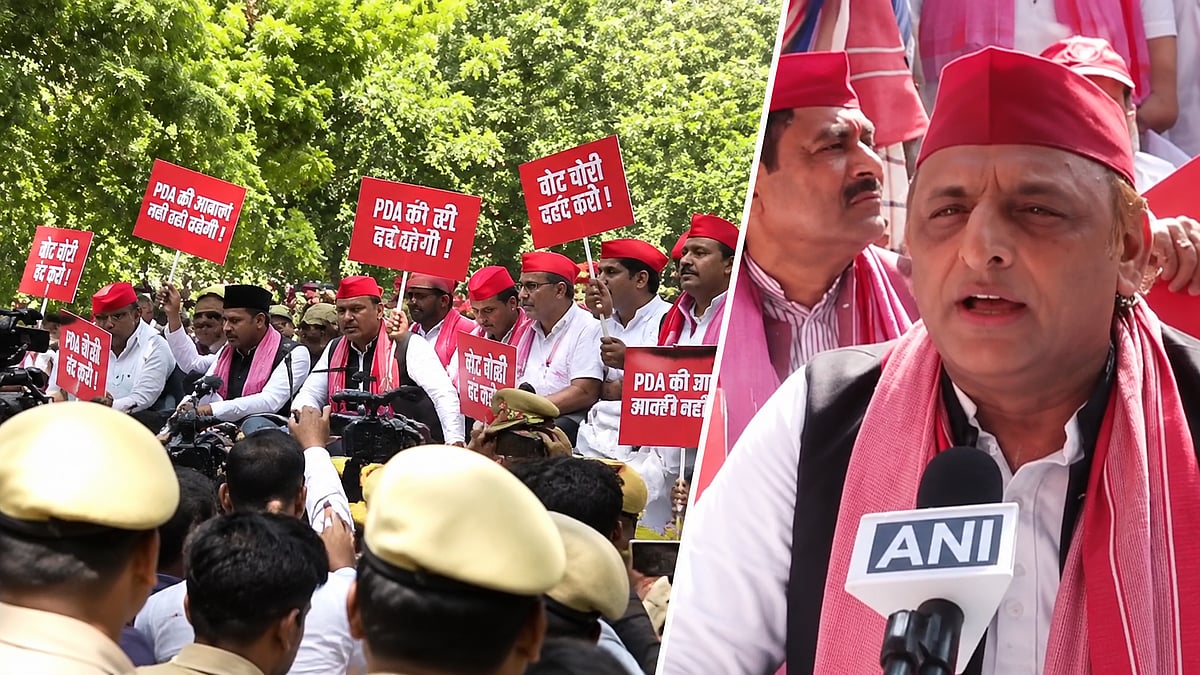
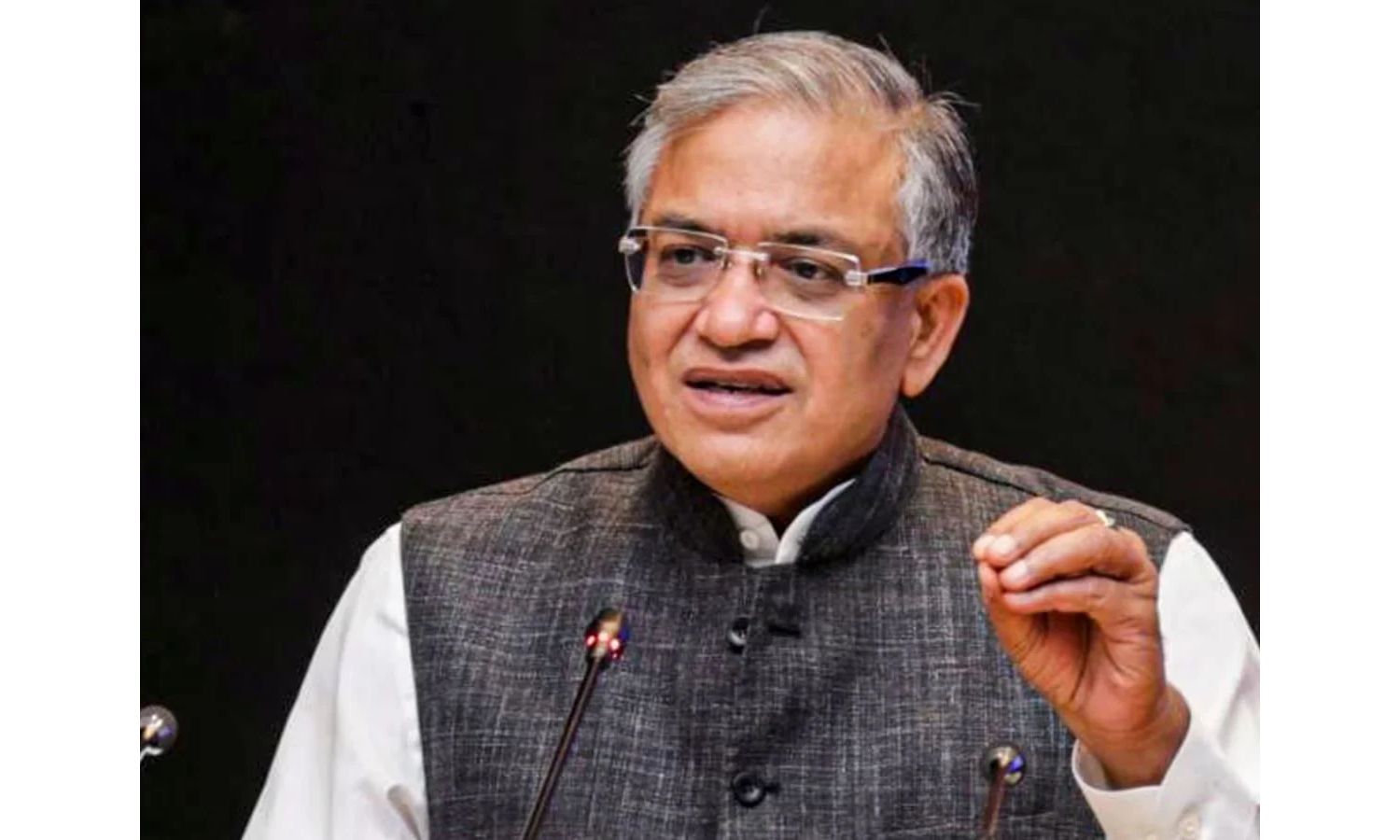
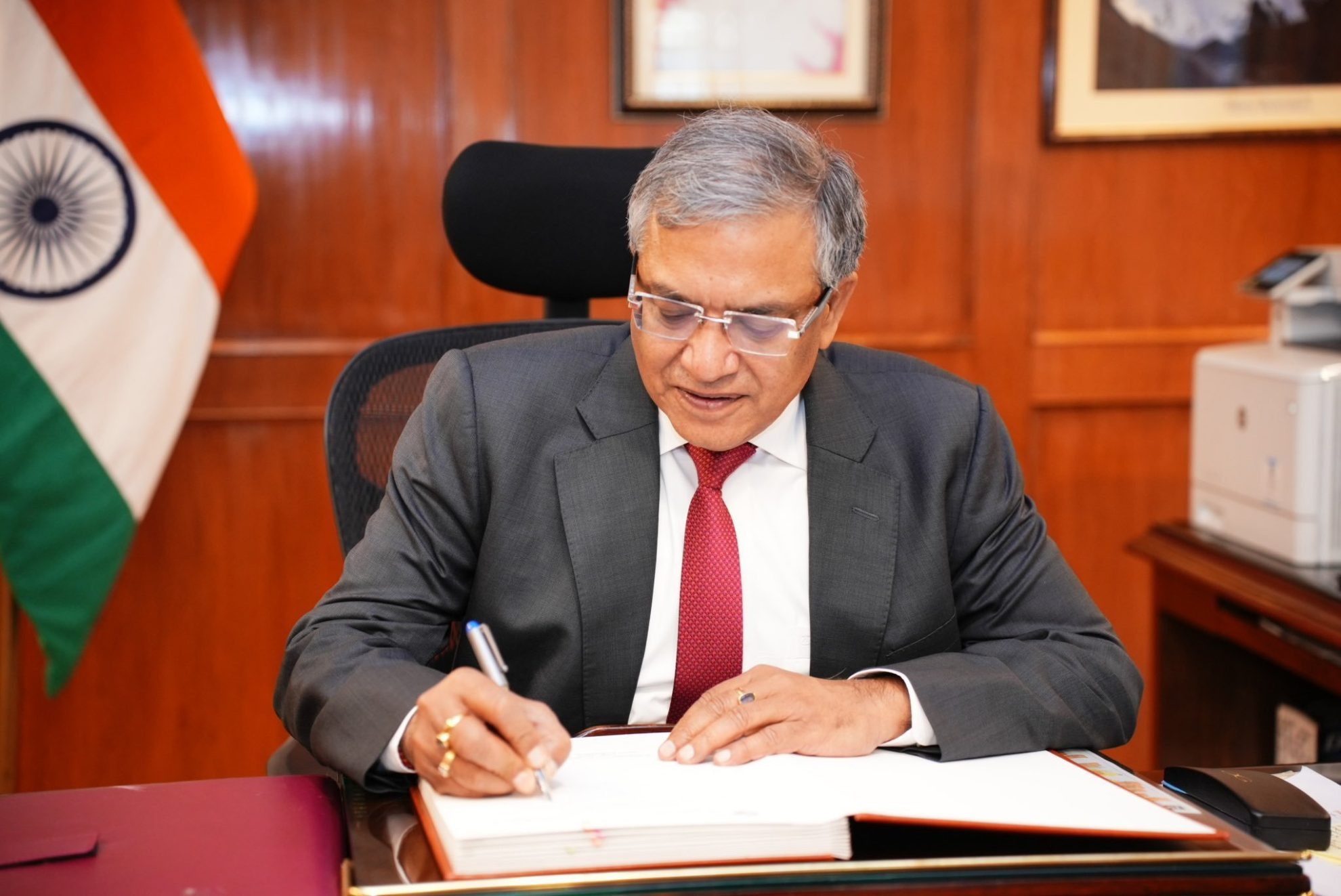
Opposition parties in India are protesting the Chief Election Commissioner, Gyanesh Kumar.
They want him to resign and say he has acted unfairly.
They also criticize the way voter lists are being changed.
The article says these complaints should be examined.
But it argues that focusing only on one official or one voter-list exercise misses a bigger problem.
India’s Constitution gives the Election Commission broad powers.
The article also says the Union government has strong influence over how top election officials are chosen.
It argues that changing the rules and design of the institution is necessary for fair elections.

Opposition parties have held nationwide protests demanding Chief Election Commissioner Gyanesh Kumar’s resignation.
They accuse Kumar of favouring the ruling party, ignoring other Election Commissioners, and arbitrarily deleting voters’ names.
The article says these concerns deserve scrutiny but risk diverting attention from deeper institutional issues.
It argues that the Constitution gives the Election Commission of India sweeping electoral authority.
It calls for reform of the laws governing the Commission, including appointments that give the Union government decisive influence.
- Who
- Opposition parties, Chief Election Commissioner Gyanesh Kumar, and the Election Commission of India.
- What
- Protests over the Special Intensive Revision of electoral rolls and calls for a broader overhaul of election laws.
- Where
- India.
- When
- Not specified in the article.
- Why
- Opposition parties allege unfair conduct, while the article argues that deeper institutional design and appointment rules leave the electoral system vulnerable to abuse.
Opposition Criticism
Institutional Reform Argument
Focus of concern
Opposition Criticism
Opposition parties focus on Gyanesh Kumar and the SIR, alleging unfair conduct and demanding his resignation.
Institutional Reform Argument
The article argues that these issues deserve scrutiny but should not distract from the electoral system’s deeper institutional weaknesses.
Proposed solution
Opposition Criticism
The protests described in the article call for the CEC’s resignation.
Institutional Reform Argument
The article argues that reform should address the laws governing the Election Commission and the appointment of its top officials.
Key facts
- Election official
- Gyanesh Kumar is identified as the Chief Election Commissioner.
- Electoral exercise
- The Special Intensive Revision (SIR) concerns electoral rolls.
- Protests
- Opposition parties have launched nationwide protests and demanded Kumar’s resignation.
- Allegations
- Opposition parties accuse Kumar of favouring the ruling party, disregarding other Election Commissioners, and arbitrarily deleting voters’ names.
- Institutional issue
- The article says the Constitution gives the Election Commission of India sweeping electoral authority.
- Appointments
- The article says the law governing appointments gives the Union government decisive influence over the selection of the Commission’s top officials.
- Proposed response
- The article calls for a fundamental overhaul of the laws governing the Election Commission.
Sources
Related news
Opposition Sees Voter Roll Revision as Democratic Rallying Point
Opposition Parties Demand CEC Arrest, SIR Rollback and Repolls
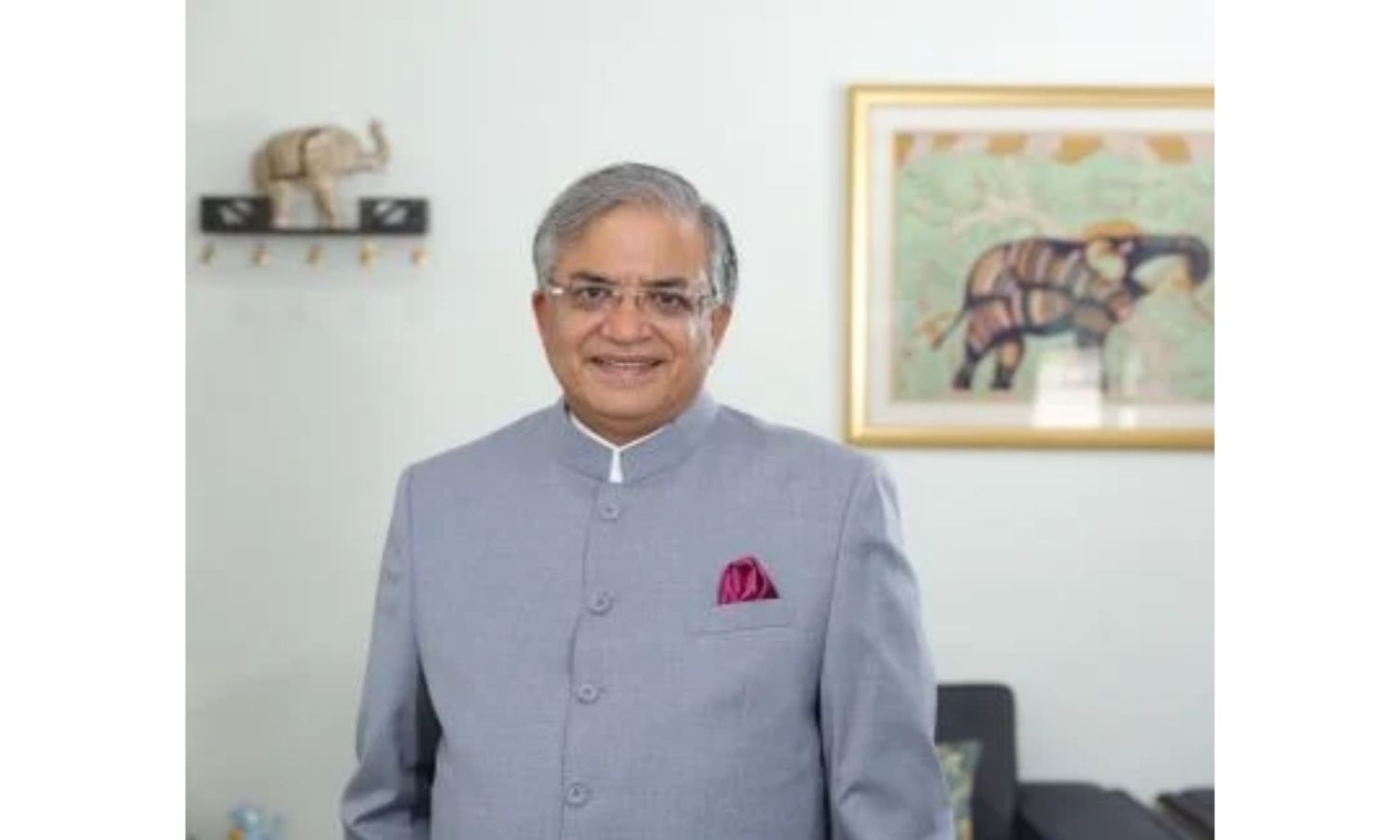
India's Election Commission Faces Calls for Complete Overhaul
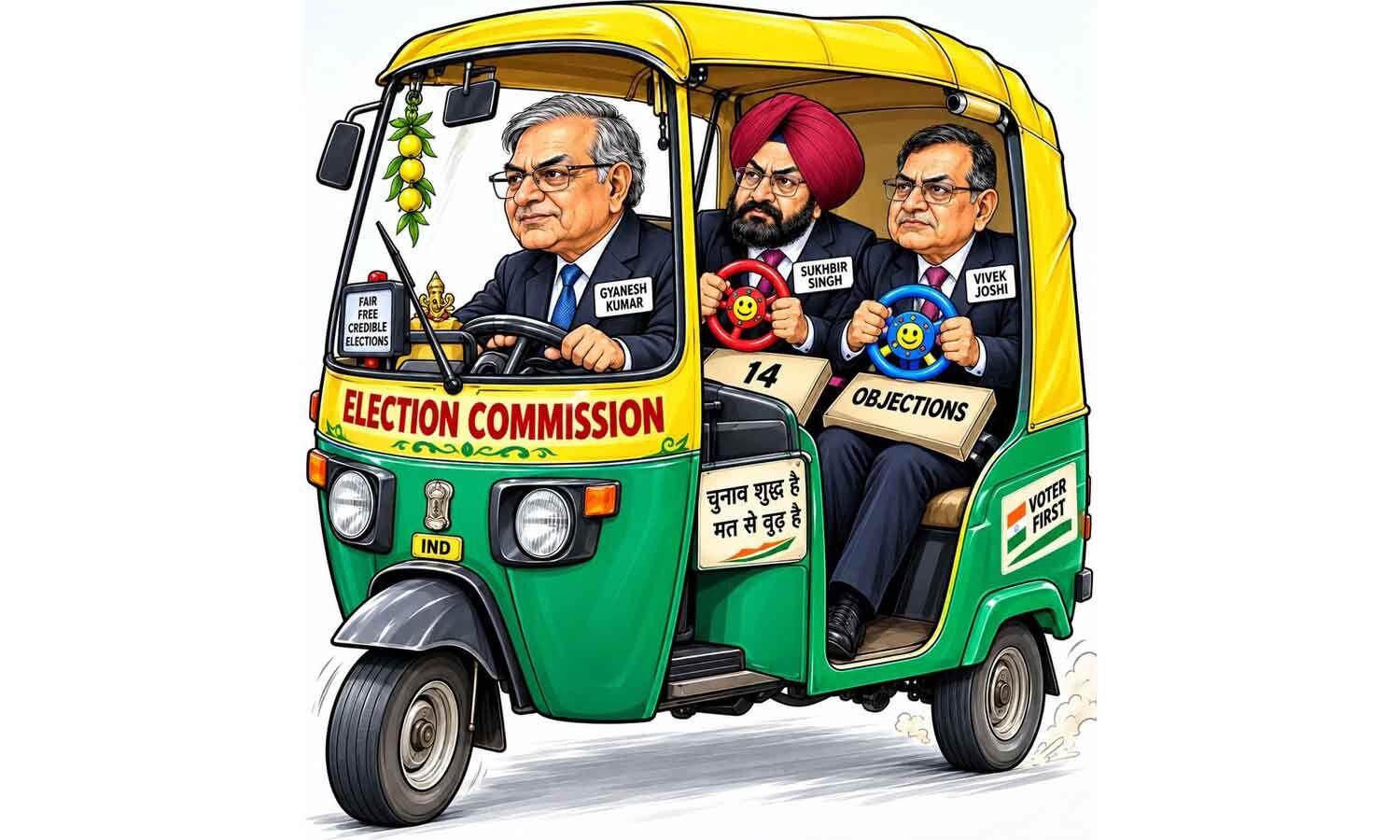
Opposition Demands CEC Gyanesh Kumar’s Removal Over SIR Dissent

Two Election Commissioners Raise 14 Objections Over SIR Decisions
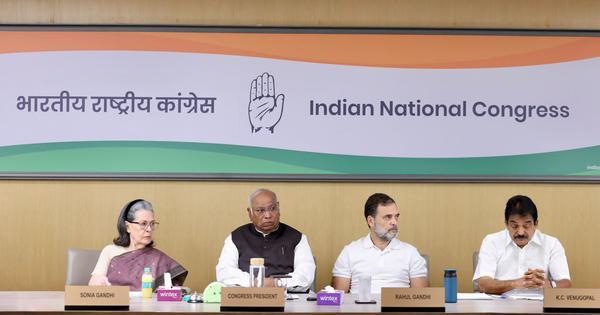
Congress Demands Modi, Election Chief Resign Over Roll Revision
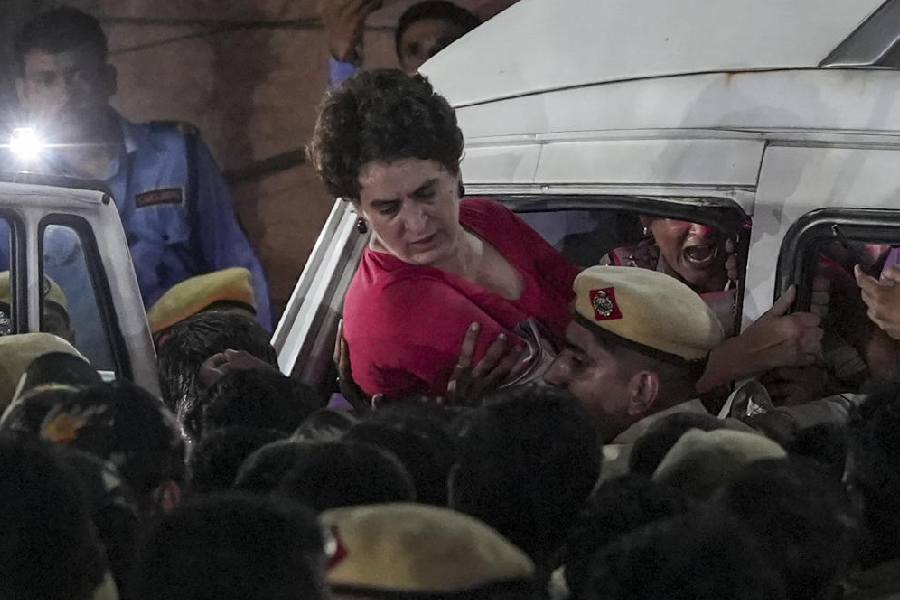
Rahul Gandhi, Priyanka Detained After Opposition Sit-In Over SIR

Ganga Water Purification at Election Chief’s Agra Home Draws Congress Criticism
BJP Accuses Rahul Gandhi of Stirring Anarchy Over Vote-Chori
Jharkhand Congress Protesters Clash With Police Over CEC Resignation
Election Commission Explains Meeting Request After Gandhi Protest