3 hrs ago
Aakriti Case Highlights Uttar Pradesh Government’s Repressive Approach

Aakriti Chaudhary is an activist who supported factory workers protesting in Noida.
The workers wanted better pay and working conditions.
Some violence, including stone-pelting and arson, happened during the protest.
Officials arrested Chaudhary using a very strict security law.
The Allahabad High Court said the government’s explanation for holding her was made up.
It ordered money to be taken from the district magistrate’s salary and given to Chaudhary.
The article says violence should be punished, but peaceful protests should not be treated like serious security threats.
It also says Uttar Pradesh should support businesses while protecting workers.
Talking and using fair labor rules, rather than repression, could help prevent future conflicts.

The Allahabad High Court granted relief to activist Aakriti Chaudhary after her detention under the National Security Act.
Chaudhary was accused of instigating violence during a Noida workers’ agitation on April 13.
More than 40,000 factory workers had protested for higher wages and better working conditions.
The court described the state’s account of the detention as “concocted” and ordered Rs five lakh deducted from the Noida district magistrate’s salary for Chaudhary.
The article argues that Uttar Pradesh must balance industrial investment with workers’ rights, dialogue, and lawful dispute resolution.
- Who
- Aakriti Chaudhary, factory workers, Uttar Pradesh government officials, and the Allahabad High Court.
- What
- The High Court granted relief to Chaudhary after finding that her detention under the National Security Act was based on a “concocted” account.
- Where
- Noida, Uttar Pradesh, an industrial town adjacent to New Delhi.
- When
- The workers’ agitation took place on April 13; the articles do not specify the year.
- Why
- Chaudhary was detained on allegations that she instigated a mob during a workers’ protest involving arson, stone-pelting, and a clash with police.
Civil Rights and Workers’ Rights
Industrial Order and Investment
Use of the National Security Act
Civil Rights and Workers’ Rights
The article argues that applying the harsh law to protest organisers was executive overreach and violated due process and human rights.
Industrial Order and Investment
The government’s reported concern was to prevent militant trade unionism and protect industrial activity in Noida, although the article says this concern did not justify repression.
Handling Protest Violence
Civil Rights and Workers’ Rights
Violence should be penalised, but peaceful protest and legitimate demands for higher wages should be protected rather than suppressed.
Industrial Order and Investment
Arson, stone-pelting, and an altercation with police created a basis for authorities to respond to disorder, though the article considers the response excessively coercive.
Industrial Development
Civil Rights and Workers’ Rights
Durable growth requires fair wages, safe workplaces, collective bargaining, and protection for workers who raise grievances.
Industrial Order and Investment
The state has an interest in encouraging investment and maintaining industrial peace, particularly as Uttar Pradesh seeks to expand its industrial base.
Key facts
- Detainee
- Aakriti Chaudhary, a 25-year-old Delhi University history graduate and activist.
- Law invoked
- The National Security Act.
- Protest participation
- More than 40,000 factory workers took part in the Noida agitation.
- Workers’ demands
- Higher wages and better working conditions.
- Court finding
- The Allahabad High Court said the state’s story supporting the detention was “concocted.”
- Compensation order
- The court directed Rs five lakh to be deducted from Noida District Magistrate Medha Rupam’s salary and paid to Chaudhary.
- Reported investment
- The article says Uttar Pradesh reportedly attracted Rs 50 lakh crore in investment over the last nine years under Yogi Adityanath.
Sources
Related news

Allahabad High Court Quashes Activist’s NSA Detention in Noida

High Court Quashes Aakriti Chaudhary Detention, Sparks Political Questions
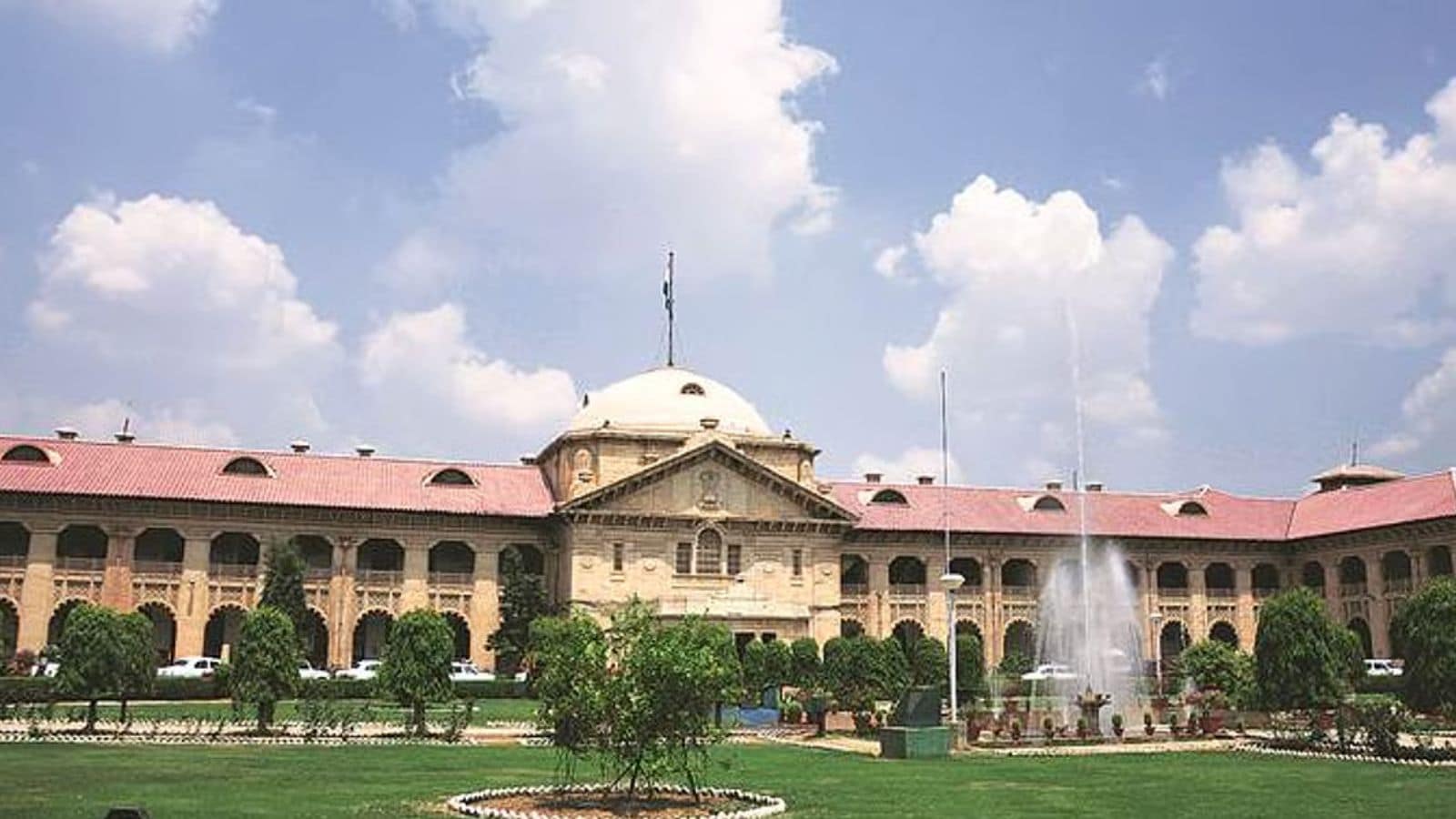
High Court Quashes Chaudhary’s NSA Detention, Orders ₹5 Lakh Compensation

CJP Warns Government Against Repeating Noida Workers Crackdown

Indian Courts and Officials Face Detention, Speech Controversies

Noida Workers Spent 53 Days Jailed as Courts Questioned Evidence

Ex-journalist seeks Allahabad High Court relief after NSA setback

Allahabad High Court Quashes NSA Detention of DU Student

Tamil Nadu Language Push Meets Court Relief for Protest Student