3 weeks ago
Bombay High Court: OCI Cardholders Eligible for Senior Citizens Act

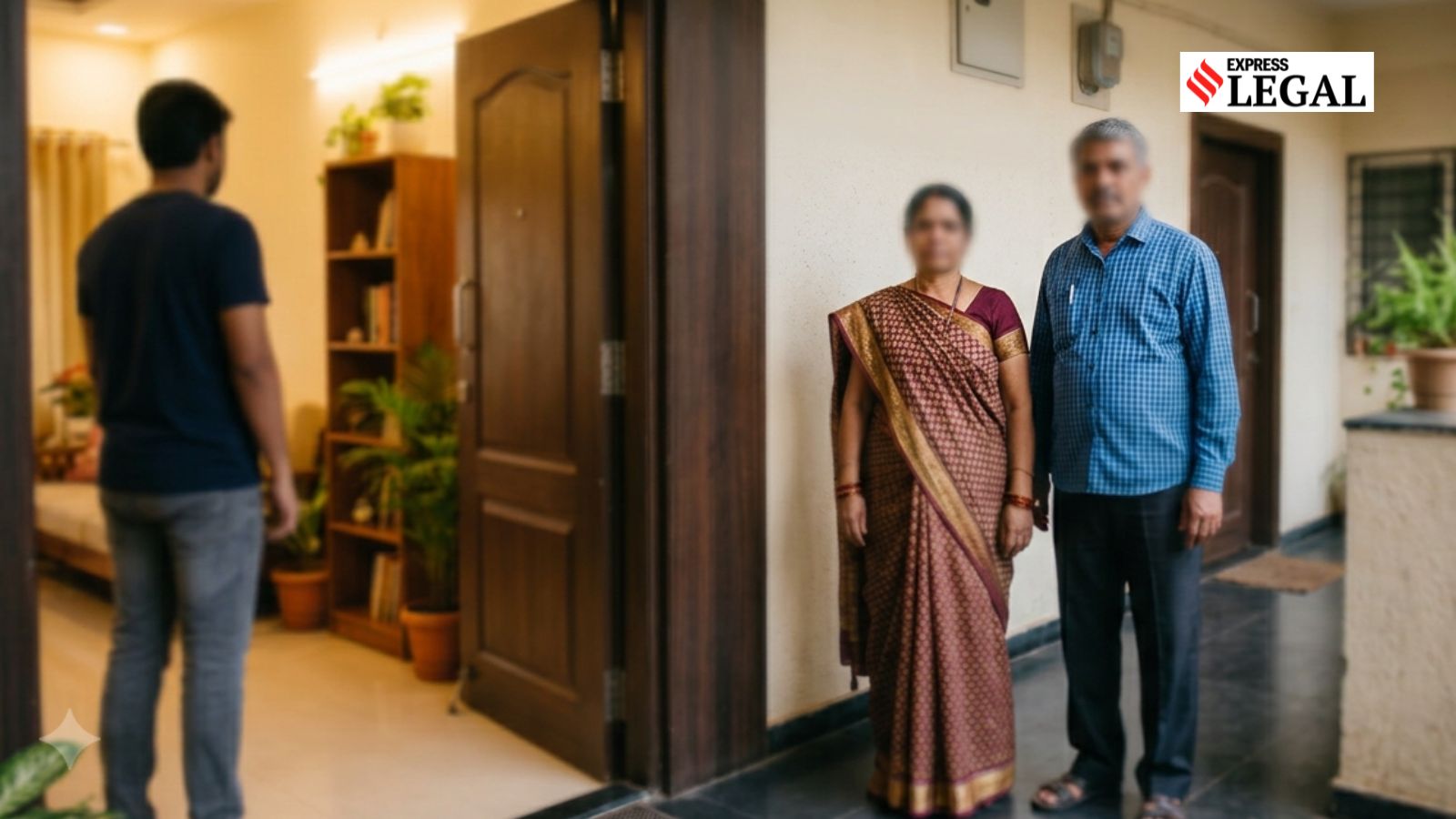
An older woman who lives in Australia wanted her son and his wife to move out of her apartment in Mumbai.
She bought the apartment in 1987 with her own money and let them live there after they married.
A special law called the Senior Citizens Act helps parents and older people who are treated badly.
The son's wife said the woman could not use this law because she is not an Indian citizen.
A judge at the Bombay High Court said the woman can ask for help even if she is not a citizen.
The law says a 'parent' can get protection, and it does not say parents must be citizens or over 60.
But the judge also said the daughter-in-law has lived there since 2004, so it is also her home.
In the end, the court said both of them can live in the apartment.
Nobody is allowed to stop the woman from living there peacefully and with dignity.

The Bombay High Court ruled that an OCI cardholder cannot be denied protection under the Senior Citizens Act merely because she is not an Indian citizen.
Justice N.J. Jamadar held that a 'parent' under Section 2(d) of the Act need not be an Indian citizen or above 60 years of age.
The ruling came in a dispute over a Juhu flat bought in 1987, where the OCI cardholder, a New Zealand citizen living in Australia, sought her daughter-in-law's eviction.
The court declined to order the eviction, citing the daughter-in-law's residence since 2004 as a factual basis to treat the flat as a shared household.
The High Court set aside the Appellate Tribunal's eviction order and restored the Maintenance Tribunal's earlier order, allowing the cardholder to reside in the flat peacefully.
- Who
- Justice N.J. Jamadar of the Bombay High Court; the parties are an OCI cardholder (a New Zealand citizen residing in Australia) and her daughter-in-law.
- What
- The High Court ruled that an OCI cardholder can invoke the Senior Citizens Act and set aside an eviction order, while recognising the daughter-in-law's shared household rights.
- Where
- Bombay High Court, Mumbai; the disputed property is a flat in Juhu.
- When
- Ruling reported on August 8, 2026.
- Why
- Because the Act's definition of 'parent' does not require Indian citizenship or a minimum age, but the daughter-in-law's long residence made the flat a shared household.
Daughter-in-law's Position
OCI Cardholder's Position
Citizenship requirement for senior citizen protection
Daughter-in-law's Position
The OCI cardholder is not an Indian citizen, so she does not qualify as a 'senior citizen' under Section 2(h) of the Senior Citizens Act.
OCI Cardholder's Position
A 'parent' under Section 2(d) needs no Indian citizenship or minimum age, so the Act's protections apply regardless of citizenship status.
Eviction versus shared household rights
Daughter-in-law's Position
The Juhu flat is her matrimonial home and shared household under the Domestic Violence Act, so she should not be forced to vacate.
OCI Cardholder's Position
The cardholder bought the flat in 1987 and must be able to possess it to live a normal, dignified and peaceful life.
Key facts
- Court
- Bombay High Court
- Judge
- Justice N.J. Jamadar
- Relevant law
- Maintenance and Welfare of Parents and Senior Citizens Act, 2007
- Also considered
- Protection of Women from Domestic Violence Act
- Date of ruling
- August 8, 2026
- Flat location
- Juhu, Mumbai
- Flat purchased
- 1987
- Daughter-in-law's residence
- Since marriage in 2004
Quotes
Justice N.J. Jamadar
Judge of the Bombay High Court
“To get the benefit of the ameliorative provisions of the Senior Citizens Act, 2007, a person who is a ‘parent’ need not be a ‘senior citizen’.”
 freepressjournal.in
Sources
Related news
Bombay High Court Upholds Son’s Eviction from Parents’ Pune Flat

Bombay High Court Upholds Son’s Eviction Over Alleged Abuse

Uttar Pradesh Parents May Evict Negligent Children From Property

Retired CIDCO Employee Accuses Son, Daughter-In-Law of Misappropriating ₹10 Lakh

Bombay High Court: Adults Free to Choose Life Partners

Madras High Court Allows Puducherry Reservation Through Native Mothers
India Replaces Sri Lanka as 2027 Women’s Champions Trophy Host

Mitsubishi Revives Pajero With 201PS Fifth-Generation SUV

IIM-Born CEO Says Australia’s Everyday Life Runs on Trust

UN Report Says 1.5°C Overshoot, Return Remains Possible

Uday Kotak Warns Global Bond Markets Face Roller-Coaster Volatility