7 months ago
JNU Professor Advocates Emission Taxes for India

Professor Sangeeta Bansal from JNU spoke at a conference about air pollution in India.
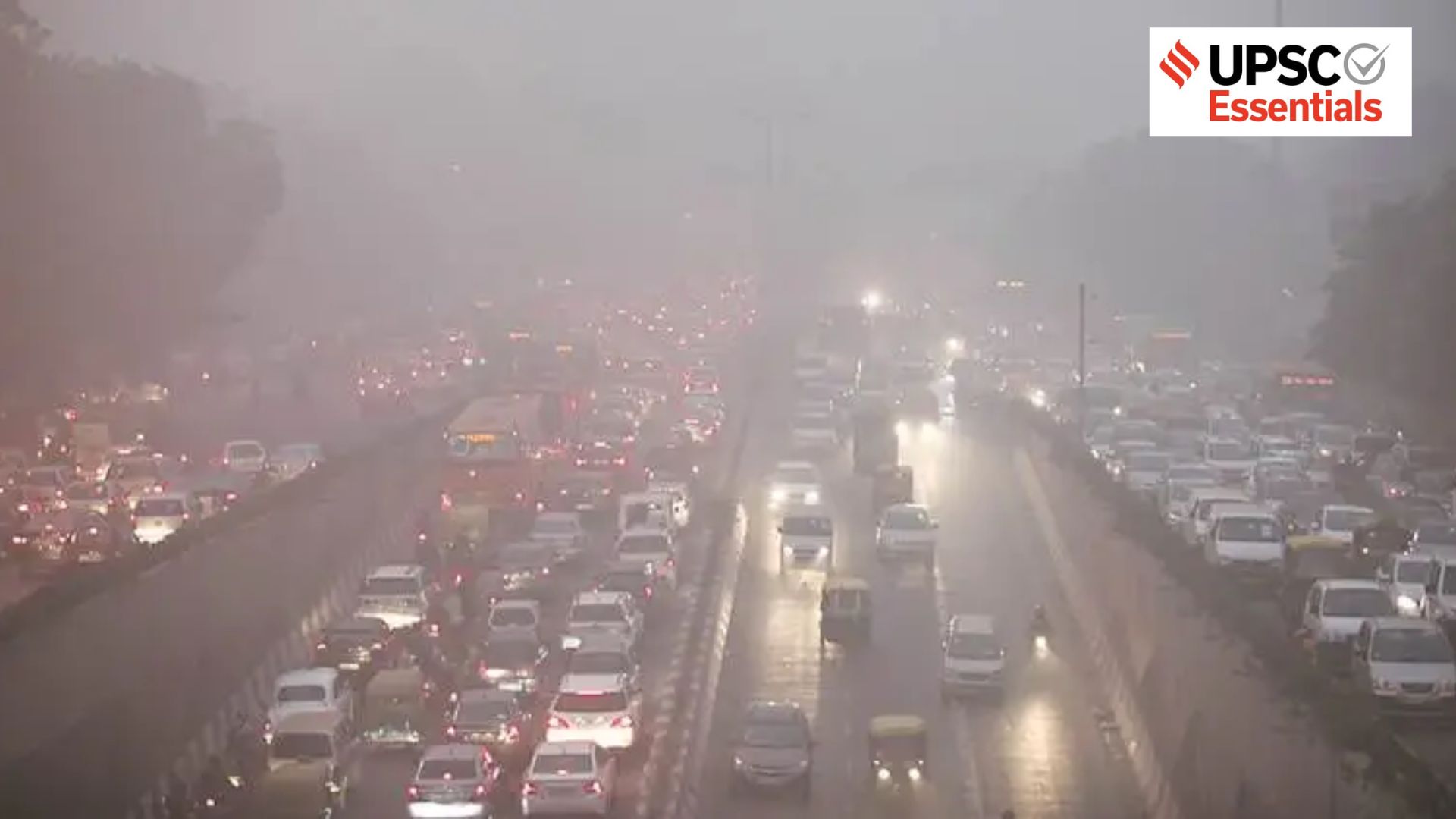
She said that the Indo-Gangetic Plains, which include places like Delhi, have a lot of pollution because they are like a sunken area surrounded by mountains.
This makes it hard for the pollution to go away.
She suggested that the government should make it more expensive for companies to operate in these highly polluted areas.
This would encourage them to move to less polluted places.
She also said that reducing pollution from things like vehicles, power plants, and household biofuels would be costly but the benefits would be big, especially for people's health.
She emphasized that air pollution should be a part of health policy, not just environmental policy.

Professor Sangeeta Bansal from JNU advocates for emission taxes to reduce air pollution in India.
The Indo-Gangetic Plains suffer from the 'Valley effect', trapping pollution due to their geographical location.
She suggests higher emission taxes in high-pollution regions to incentivize firms to relocate or adopt cleaner technologies.
Reducing pollution from major sources like vehicles, power plants, and biofuels would have significant health benefits.
Air pollution should be integrated into health policy, not just environmental policy, according to Prof. Bansal.
- Who
- Professor Sangeeta Bansal, JNU
- What
- Advocates for emission taxes and policy recommendations to reduce air pollution
- Where
- Ahmedabad University
- When
- 7th Annual Economic Conference, Saturday
- Why
- To reduce air pollution and its health impacts, especially in the Indo-Gangetic Plains
Key facts
- Professor
- Sangeeta Bansal, JNU
- Event
- 7th Annual Economic Conference, Ahmedabad University
- Region
- Indo-Gangetic Plains
- Pollution Sources
- Vehicles, coal-fired power plants, industrial pollution, dust, biofuels
- Policy Recommendation
- Heterogeneous emission taxes in high-pollution regions
- Health Impact
- High pollution levels affect health and welfare
- Concentration Period
- Peaks from October to January
Quotes
Sangeeta Bansal
Professor for Economics at Jawaharlal Nehru University
“Make it more costly to operate in highly pollution-vulnerable areas so that firms are encouraged to relocate to less sensitive regions. Design the incentive structure so that when firms decide where to set up plants, they avoid locations with high pollution damage. Adopt concentrated regional policy actions. Focus stronger measures (including taxes and other controls) in high-pollution regions, where the health and welfare benefits of reduction are largest. These recommendations are meant to both reduce overall emissions and shift economic activity away from the most vulnerable and heavily polluted areas.”
 indianexpress.com
“Geographic and topographical are reasons for the difference in concentration of ambient air pollution and concentration levels. Indo-Gangetic Plains suffer from the Valley effect because they are the sunken parts. On one side of these plains we have Himalayas and on the other side we have these ranges in the Deccan Plateau. This particular region gets sunken because of that the pollution that is generated here doesn’t get dissipated.”
indianexpress.com