3 weeks ago
Gen Z Redefines Spirituality Beyond Religion Through Inner Peace
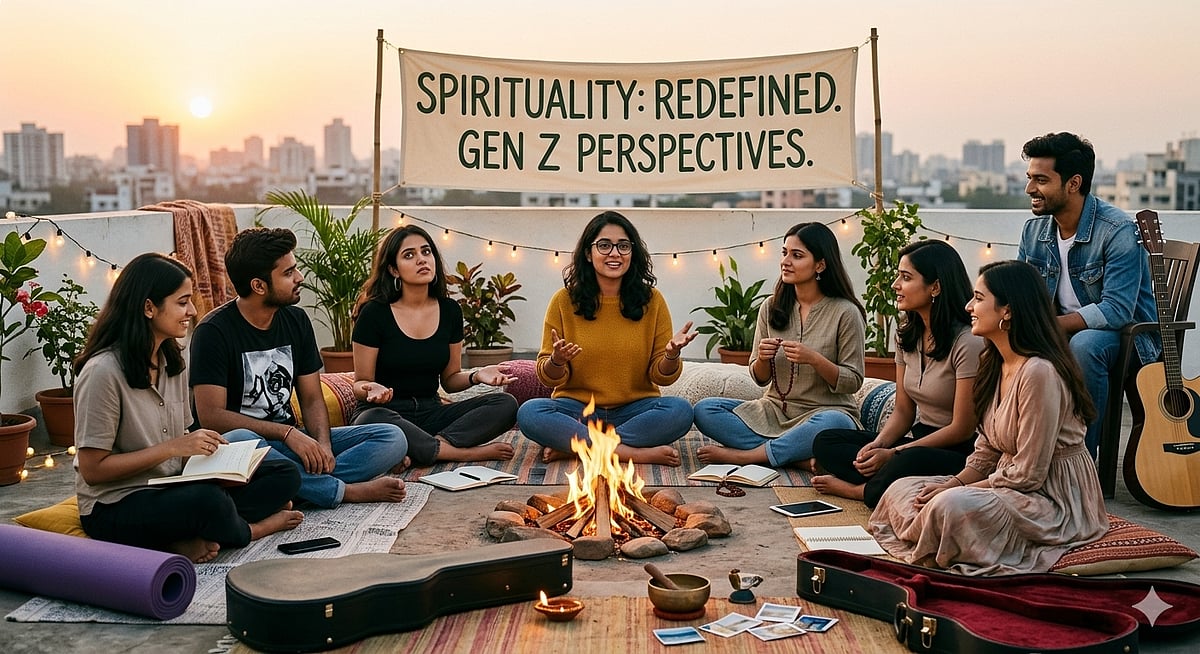
Many young people in Gen Z are thinking about spirituality in a new way.
They do not always connect it with organized religion or rituals.
For some, spirituality means understanding themselves and feeling peaceful.
Others connect it with God, faith, gratitude and surrender.
Some believe there may be something beyond what they can see, even if they are unsure about God.
Other young people do not find spirituality useful and prefer to accept that life is uncertain.
They may find comfort in cooking, travel, animals or humor instead.
Overall, Gen Z is exploring belief and meaning in different ways.

Many Gen Z adults describe spirituality as self-awareness, inner peace and finding meaning amid modern pressures.
Some young people connect spirituality with faith, gratitude, surrender and a relationship with the Almighty.
Others say spirituality can exist outside organized religion through self-understanding, kindness and acceptance.
Some Gen Z adults occupy an uncertain position between atheism and belief in something beyond the visible world.
Atheist and nihilist voices reject or question spirituality, preferring uncertainty or finding meaning through everyday interests.
- Who
- Gen Z adults, including people who identify as religious, uncertain, atheist or nihilist.
- What
- Young people are redefining spirituality as self-awareness, inner peace, meaning and, for some, faith beyond organized religion.
- Where
- The article does not specify a shared location; the people quoted include a Cambridge alumna and respondents from varied backgrounds.
- When
- In the current experiences of the Gen Z adults quoted in the article.
- Why
- They are responding to social media pressure, constant notifications, career anxiety and the search for meaning in a noisy world.
Spirituality Can Offer Meaning
Spirituality Is Unnecessary or Unclear
Connection with religion
Spirituality Can Offer Meaning
Some respondents see spirituality as connected to the Almighty, faith, surrender and gratitude, while others say it can involve connection to something greater without being religious.
Spirituality Is Unnecessary or Unclear
Some respondents identify as atheist or nihilist and view spirituality and religion as human attempts to give meaning to existence.
Purpose and uncertainty
Spirituality Can Offer Meaning
Spirituality is described as a way to find inner peace, understand oneself, practise kindness and acceptance, and discover meaning amid chaos.
Spirituality Is Unnecessary or Unclear
Critics prefer accepting uncertainty rather than searching for a higher purpose; one respondent calls spirituality an empty term.
Ways of coping
Spirituality Can Offer Meaning
Supporters say reflection and spirituality help people pause, protect their peace and look beyond social labels and pressures.
Spirituality Is Unnecessary or Unclear
Skeptical respondents say everyday interests such as humor, cooking, animals and travel can help them through life instead.
Key facts
- Core idea
- Spirituality is often understood as self-awareness, inner peace and finding meaning.
- Religious view
- Some respondents link spirituality with faith, the Almighty, surrender and gratitude.
- Nonreligious view
- Others say spirituality does not require religion and involves protecting one's peace and connecting with something greater.
- Uncertainty
- Some respondents describe themselves as between atheism and belief.
- Critical view
- An atheist and nihilist respondent views spirituality and religion as human attempts to explain existence.
- Alternative sources of comfort
- Humor, cooking, animals and travel were cited as helpful without relying on spirituality.
Quotes
Shrishti Choudhary
A 23-year-old postgraduate describing spirituality beyond formal religion
“understanding yourself, protecting your peace, finding meaning in life and feeling connected to something greater.”
 freepressjournal.in
“being self-aware, living in the present moment and connecting with the Almighty”
freepressjournal.in
Sources
Related news
Author Says Spirituality Is Missing While Discussing Debut Novel
Mohan Bhagwat Hails Gen Z Discussion of Dharm Beyond Religion
Why Indian Youth Cannot Be Reduced to Gen Z

Navya Nanda Says Gen Z Seeks Purpose Alongside Profit
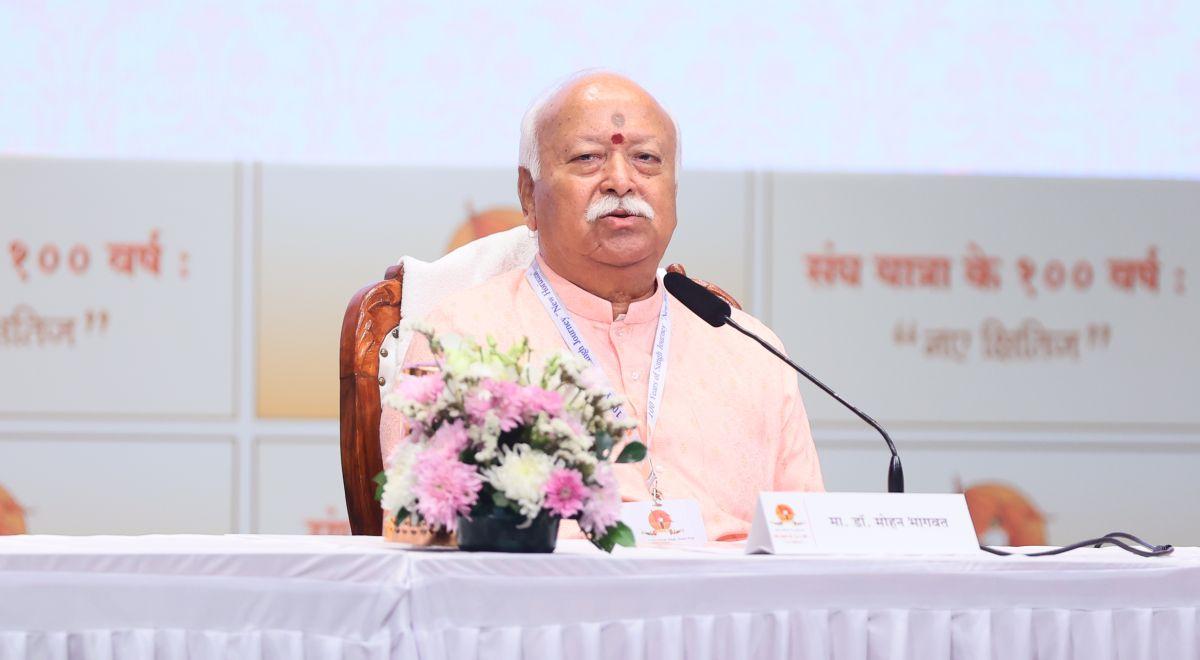
RSS Chief Praises Gen Z Discussion of Dharma at Ujjain