

1 week ago
Trump Temporarily Allows Beef Imports to Curb Rising Prices
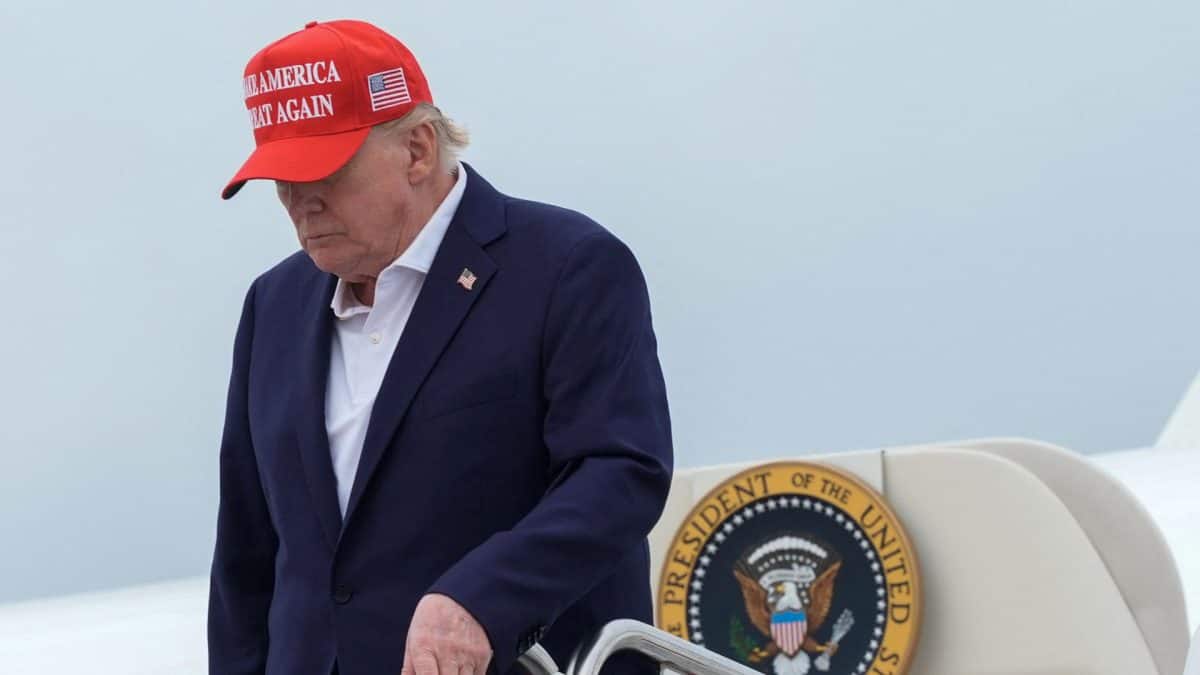
President Donald Trump wants to bring down the price of beef in American stores.
He said the United States will temporarily allow more beef from other countries.
The limit will be 300,000 metric tons during the next 90 days.
The beef can enter without an extra tariff.
Trump also said it would be sold 25 percent below market prices.
The country's cattle herd has become the smallest since the 1950s.
Some ranchers and livestock groups worry that cheaper foreign beef could hurt American producers.
They say ranchers need time and stable prices to rebuild the herd.
Beef demand remains strong, and the government expects Americans to eat 29.4 billion pounds this year.

President Donald Trump said the United States will allow up to 300,000 metric tons of foreign ground-beef products over the next 90 days.
The imports will enter without an out-of-quota tariff, and Trump said there was a commitment to sell them 25 percent below market prices.
The administration says the move aims to lower consumer costs while the shrinking U.S. cattle herd is rebuilt.
Senator Deb Fischer and the National Cattlemen's Beef Association said increased imports could harm American livestock producers and undermine herd expansion.
The U.S. Department of Agriculture estimates beef consumption will reach 29.4 billion pounds this year, despite higher prices.
- Who
- President Donald Trump and his administration announced the policy; U.S. ranchers, livestock groups, and consumers are affected.
- What
- The United States will temporarily allow up to 300,000 metric tons of foreign beef products for ground beef without an out-of-quota tariff.
- Where
- The policy applies to beef imports entering the United States.
- When
- The policy was announced Friday and is scheduled to apply for 90 days; it comes ahead of November's midterm elections.
- Why
- The administration says it wants to lower rising beef prices while the U.S. cattle herd is rebuilt.
Supporters of Temporary Imports
Critics of Increased Imports
Lowering beef prices
Supporters of Temporary Imports
The Trump administration says additional foreign beef and below-market pricing can help reduce costs for consumers.
Critics of Increased Imports
Critics question whether flooding the market with foreign beef is an effective or sustainable way to lower grocery prices.
Impact on American ranchers
Supporters of Temporary Imports
The administration says imports can help consumers while American ranchers rebuild the depleted cattle herd.
Critics of Increased Imports
Senator Deb Fischer and the National Cattlemen's Beef Association say additional imports could hurt U.S. livestock producers and discourage herd expansion.
Short-term relief versus long-term stability
Supporters of Temporary Imports
Supporters prioritize immediate relief from high beef prices, which have become a major affordability concern.
Critics of Increased Imports
The National Cattlemen's Beef Association says market interventions sacrifice long-term industry stability for short-term messaging.
Key facts
- Import limit
- Up to 300,000 metric tons of beef products for ground beef
- Duration
- 90 days
- Tariff treatment
- No out-of-quota tariff
- Price commitment
- Trump said the imported beef would be sold 25 percent below market prices
- U.S. cattle herd
- The smallest since the 1950s, according to the article
- Projected beef consumption
- 29.4 billion pounds this year, according to the U.S. Department of Agriculture
Quotes

Donald Trump
President of the United States
“As we work to rebuild this herd and help our ranchers, for the next 90 days, the United States will allow up to 300,000 metric tons of product for ground beef to be imported with no out of quota tariff.”
 firstpost.com
“We all want lower grocery prices, but as I've said for months, we cannot do it at the expense of American producers. Flooding the market with foreign beef hurts our livestock industry.”
firstpost.com
Colin Woodall
CEO of the National Cattlemen's Beef Association
“Flooding the market with government-subsidized, below-market beef is not the way to rebuild the American cattle herd.”
firstpost.com
Sources
Related news
Trump Expands Beef Import Quota to Ease Prices

Trump Temporarily Suspends Beef Tariffs to Lower Grocery Prices

Cattle Futures Fall as Screwworm Restrictions Lift and Tariffs Ease

US Agriculture Chief Accuses Canada of Unfair Dairy Tariffs

Nearly 30,000 Pounds of Argentine Beef Recalled Amid Import Push
Trump's grocery price promise unfulfilled as costs weigh on Republicans
India’s Record Wheat Harvest Opens $1.5 Billion Export Window

Chicago Wheat Falls as Turkey Revives Black Sea Grain Plan
