3 weeks ago
Public Reading Faces New Pressure From Fear And Online Harassment
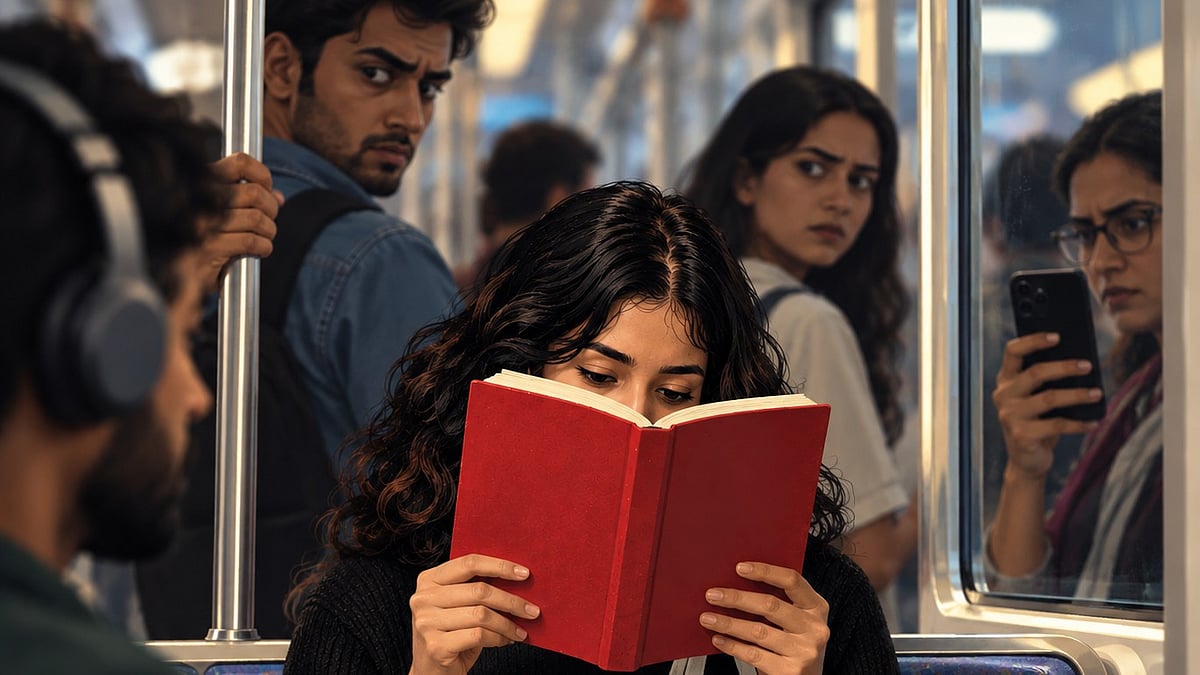
People usually expect to read books without having to explain their choices.
But some readers have faced attacks, criticism, or online harassment because of the books they were holding.
This can make people choose a different book or read privately, even when the book is legal.
This is called self-censorship.
It is different from an official ban because nobody directly orders the reader to stop.
Readers may still feel pressured because they fear what others might say or do.
Reading different ideas can help people think and learn, even when they disagree with a book.
Social media can make reading feel more connected, but it can also spread embarrassing photos or harassment.
The people quoted in the article say readers should be free to explore books without being punished for their choices.

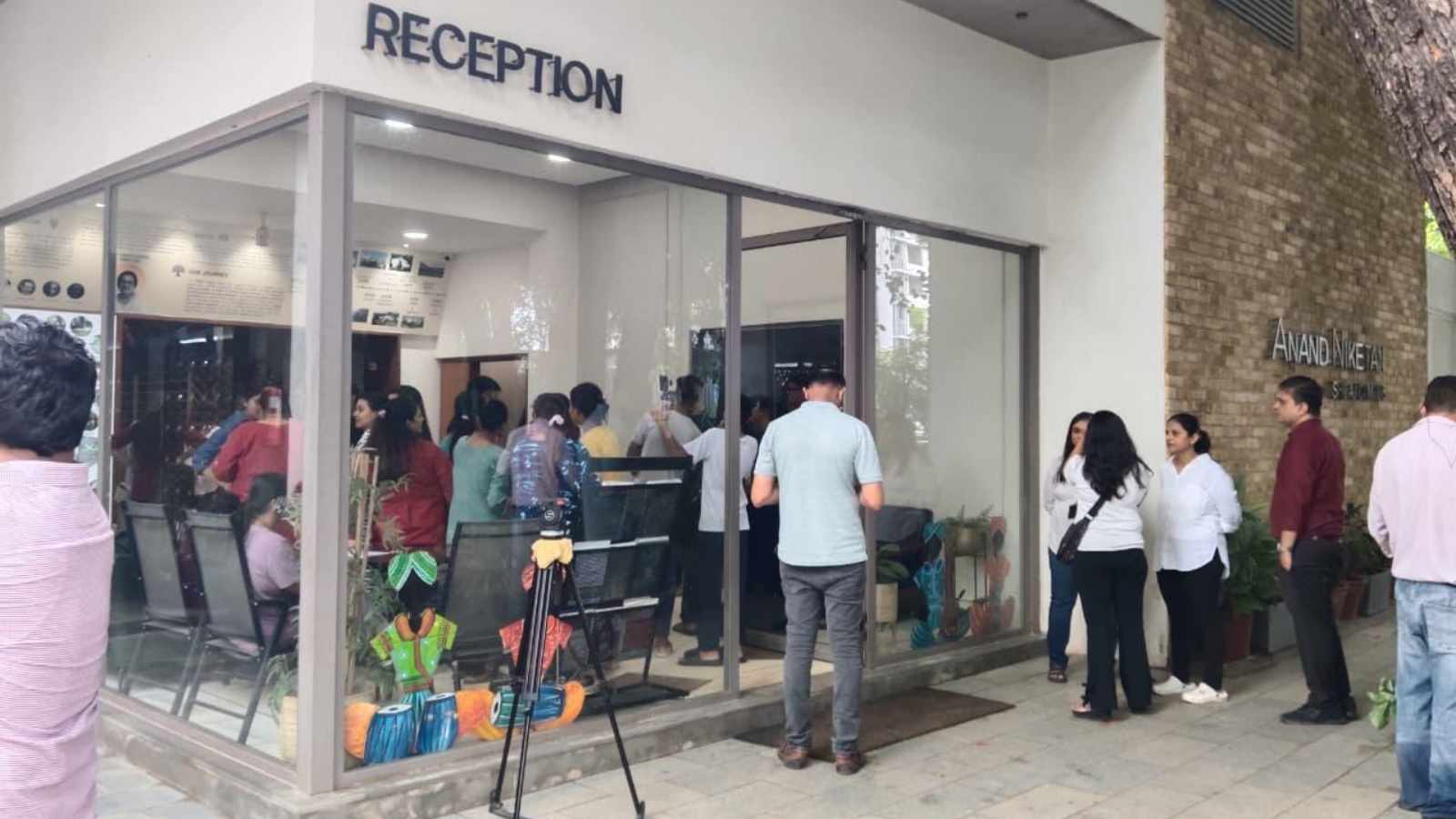
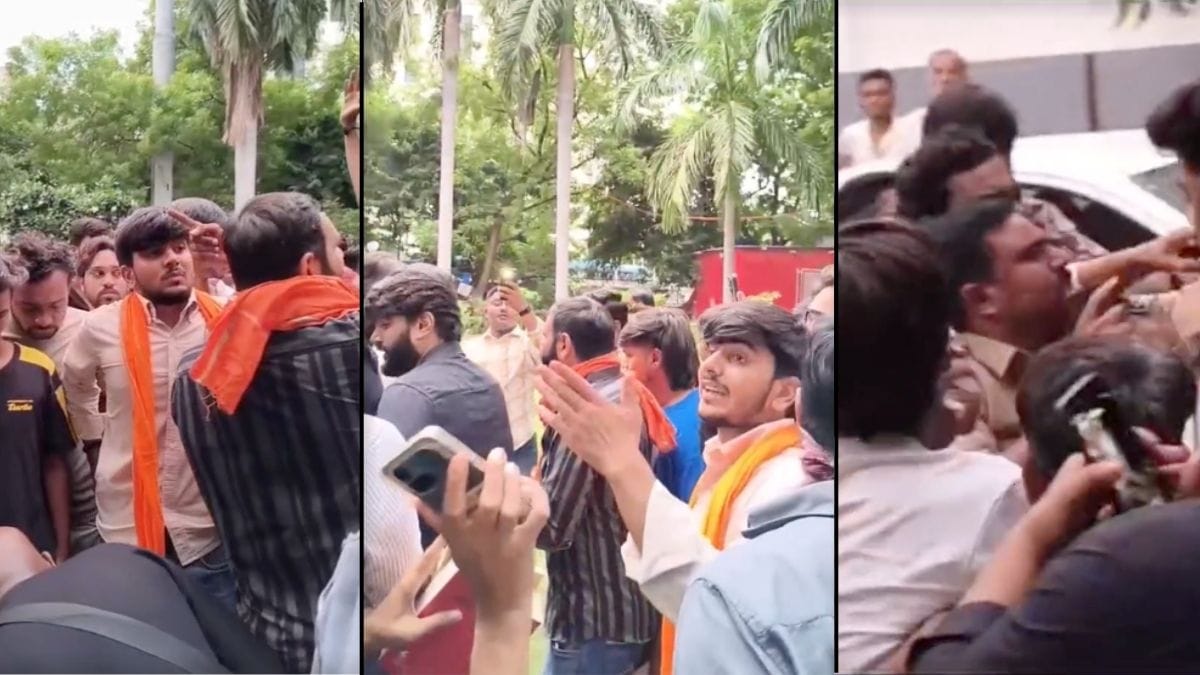
A fringe group reportedly attacked a silent reading session and assaulted readers holding books by Anne Frank and Malala Yousafzai.
Readers say they may avoid displaying certain books publicly despite no formal ban.
Experts and book community members warn that fear-driven self-censorship can limit exposure to difficult ideas.
Social media can expose readers to harassment, but it also helps people discover books and join reading communities.
Contributors argue that readers should not be punished or threatened for choosing what to read.
- Who
- Readers, including participants in a silent reading session, and commentators Rahul Saini, Riddhi Rajesh Rasam, Divya Sonigra, and Dr Manjiri Prabhu.
- What
- A discussion about self-censorship and whether people feel free to read books publicly amid threats, social pressure, and online harassment.
- Where
- The incidents and concerns involve public spaces in India, including metros, cafés, parks, and trains.
- When
- The article refers to a recent attack on a reading session and online trolling of a metro passenger a month earlier.
- Why
- Fear of confrontation, physical threats, social judgment, and online exposure may lead readers to hide or change their book choices.
Risks And Concerns
Benefits And Defenses
Public visibility
Risks And Concerns
Readers may avoid showing certain books because of possible confrontation, physical threats, social judgment, or online harassment.
Benefits And Defenses
Reading in public should remain a private choice, and a bookshelf or book cover should not be treated as a statement of the reader’s beliefs.
Formal bans versus fear
Risks And Concerns
Fear can be harder to identify and challenge than an official ban because it is individual, unseen, and expressed through personal decisions.
Benefits And Defenses
Formal bans are also harmful, but they are more visible and can be debated, protested, or challenged through legal and public action.
Social media
Risks And Concerns
People can photograph readers and circulate images without context, exposing them to widespread trolling or pressure.
Benefits And Defenses
Social media also helps readers find recommendations, join book clubs, and feel less isolated.
Key facts
- Central issue
- The difference between being legally allowed to read and feeling safe displaying a book in public.
- Recent incident
- A fringe group reportedly attacked a silent reading session and assaulted some readers.
- Books mentioned
- Anne Frank’s The Diary of a Young Girl and a book by Malala Yousafzai were being read during the session.
- Book club reach
- Rahul Saini says Paperbacktalks BookClub has active communities in four major Indian cities.
- Online trolling
- A girl was trolled after being seen reading How to Kill Men and Get Away With It on an Indian metro.
- Self-censorship example
- Riddhi Rajesh Rasam says she selected a less conversation-provoking edition of a legally available book.
- Social media effect
- Social platforms can both create reading communities and increase anxiety about being seen with certain books.
Quotes
Riddhi Rajesh Rasam
Avid reader interviewed about public reading and self-censorship
“Strangely, a ban seems simpler to live with since you can organise, protest, take it to court, and get it overturned. You also know exactly what you're up against. Fear is more difficult as it is individualised, unseen, and manifests differently in each person.”
 freepressjournal.in
“To me, freedom to read simply means the freedom to be curious. It doesn’t mean that I have to agree with everything I read or that the book that I pick up represents my beliefs.”
freepressjournal.in
Sources
Related news
Why India’s Public Spaces Need a Lower Volume

LeftWord Publishes Joe Sacco’s Muzaffarnagar Riot Graphic Novel
LSR Students Demand Safety After Rape and Shooting

Singapore’s ReadSG Campaign Reopens Debate Over Making Reading Fun

How Online Pressure Is Redefining Culture and Belonging

Shanta Gokhale Reflects on Reading, Books, and Better Living
Jalgaon Residents Adapt Pitru Paksha Traditions To Feed Needy

Three Arrested After Alleged Bajrang Dal Attack on Readers
Ahmedabad Reading Circle Attack Centers on Malala Book

Ahmedabad Malala Book Reading Session Attacked; Three People Arrested