

2 hrs ago
Why India’s Public Spaces Need a Lower Volume

People in India often talk openly and warmly in public places.
This can make buses and trains feel friendly.
But loud calls, videos, jokes, and singing can disturb other passengers.
The writer says shared spaces are not private living rooms.
People may speak loudly because everyone else is doing it.
Others may stay silent because they expect someone else to complain.
The article says small habits, like using earphones and lowering voices, could change what feels normal.
It argues that India can keep its friendliness while becoming more considerate of others.

Indian public life is often warm and conversational, but loud behavior in shared spaces has become a source of frustration.
Train passengers are described making loud phone calls or playing videos without earphones, while similar noise occurs on planes and in lifts.
Carnatic singer Sivasri Skandaprasad recently called a train journey “traumatic” in a post on X, bringing wider attention to the issue.
The article links loud public behavior to social norms, the bystander effect, the spotlight effect, and the tragedy of the commons.
The proposed solution is not to remove friendliness, but to use lower voices, earphones, and quieter phone calls in public.
- Who
- People using public spaces in India, including passengers, callers, and groups; the issue was also highlighted by singer Sivasri Skandaprasad.
- What
- The article examines loud conversations, phone calls, videos, singing, and other noisy behavior in shared public spaces.
- Where
- Buses, trains, planes, lifts, and streets in India and abroad, including London and Los Angeles.
- When
- The concern is discussed in the present, with the writer comparing it with his experience reading Nirad C Chaudhuri in the early 1980s.
- Why
- The article attributes the behavior to social imitation, the bystander effect, limited awareness of others, and the belief that public space belongs to no one.
Key facts
- Central concern
- Excessive noise in shared public spaces
- Common examples
- Loud phone calls, videos played without earphones, jokes, singing, and dancing
- Recent catalyst
- Sivasri Skandaprasad described a train journey as “traumatic” on X
- Behavioral explanations
- Social norms, the bystander effect, the spotlight effect, and the tragedy of the commons
- Suggested changes
- Lower voices, use earphones, and take or postpone calls quietly
- Writer’s position
- Public warmth should remain, but shared spaces require greater consideration
- Earlier reference
- Nirad C Chaudhuri’s observations of Indian public life and English silence
Sources
Related news
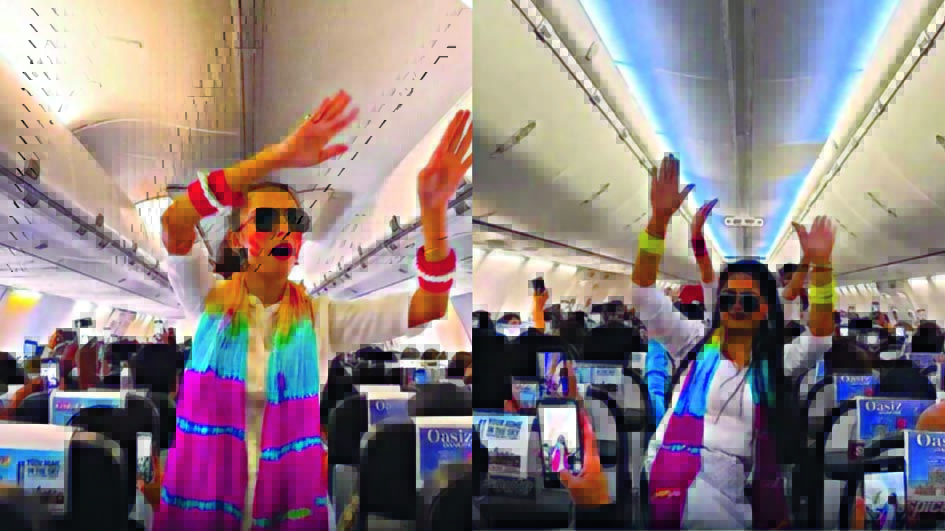
Viral Flight Food Video Sparks Debate Over Indian Travel Etiquette

Harsh Goenka Joins Debate Over Indian Tourists’ Bus Singing
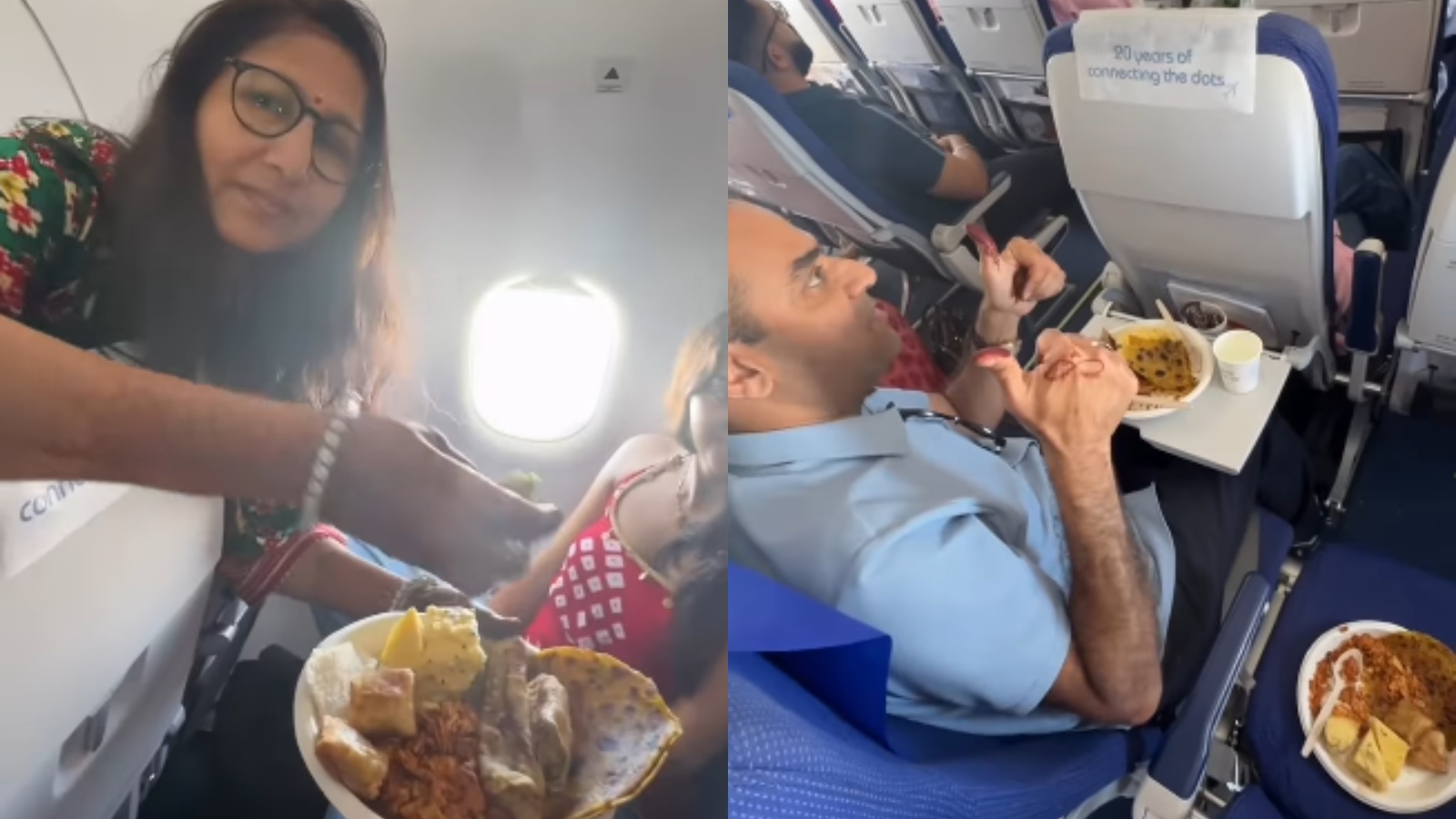
IndiGo Flight Snack Party Sparks Debate Over Cabin Etiquette
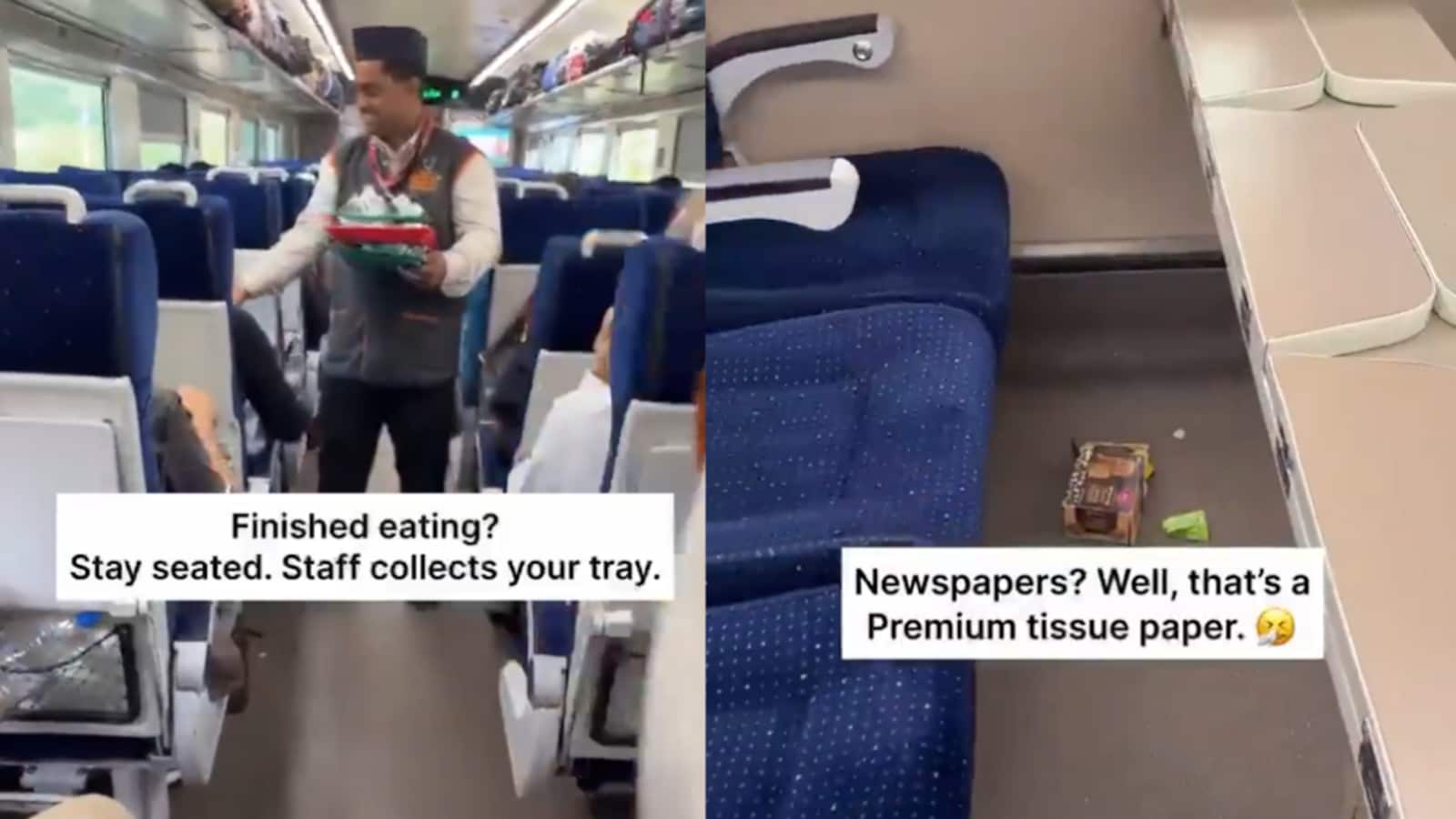
Harsh Goenka’s Vande Bharat Post Sparks Civic Sense Debate

Young Parents Ask for More Space for Children Publicly

Indian woman’s Australia comparison sparks debate over socialising costs
