5 days ago
AI Cars Learn Carefully as Real-World Risks Persist
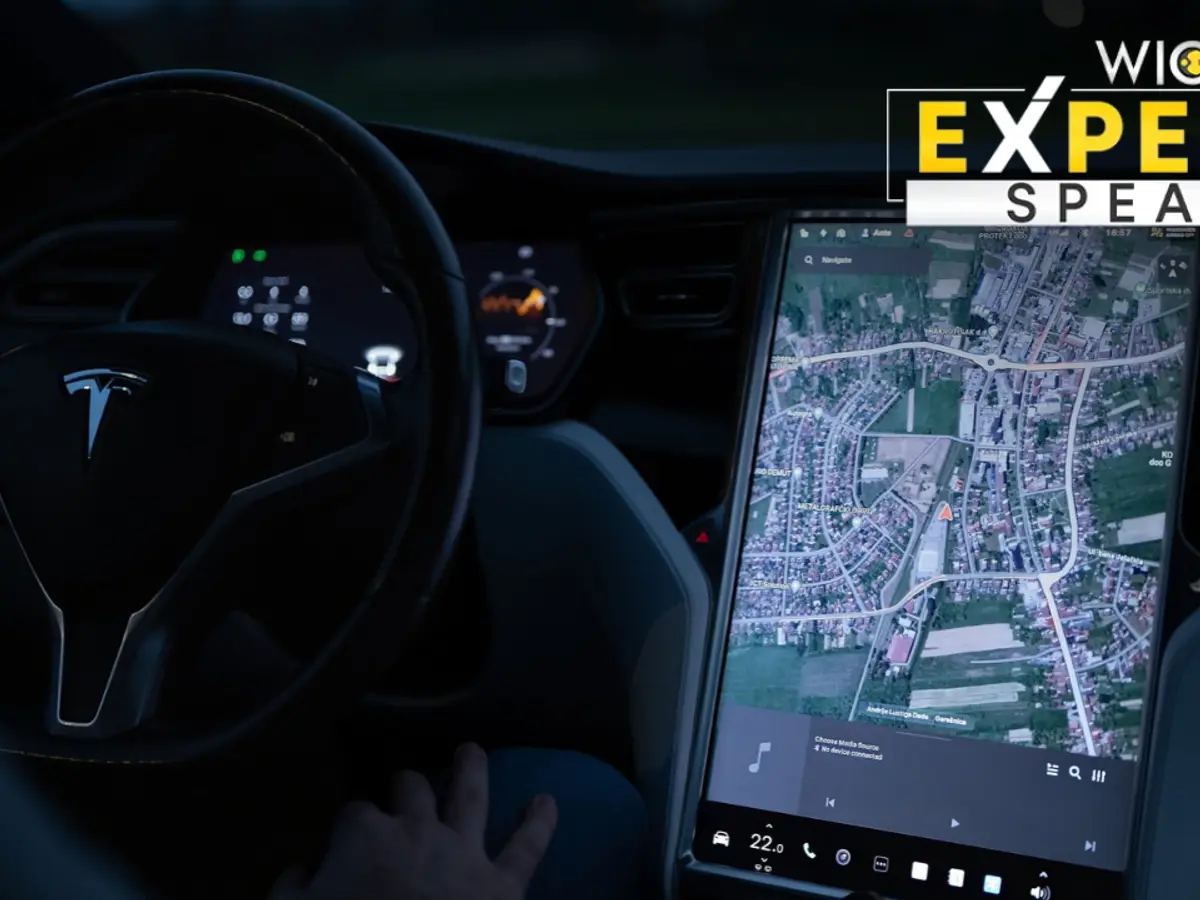
AI cars can make driving decisions using computers and sensors inside the vehicle.
However, they cannot safely rewrite their own software while carrying passengers.
When a car meets a strange situation, information about it can be sent to engineers in the cloud.
Engineers study the event, improve the software, and test it carefully before sending an update to vehicles.
This process helps prevent cars from experimenting on public roads.
Some data suggests autonomous vehicles have fewer crashes and injuries than human drivers overall.
But serious crashes show that unusual situations can still be dangerous.
AI developers are therefore teaching cars to understand context, predict what people and animals might do, and work reliably in different conditions.

AI driving systems face unfamiliar road situations that cannot all be covered in training data.
Experts say vehicles process driving decisions onboard but learn through controlled cloud-based training and validation.
Waymo reported 270 million autonomous miles and 82% fewer injury-causing crashes than human drivers by late June 2026.
High-profile incidents in Texas and China have raised questions about assisted-driving systems and edge-case safety.
Newer systems are moving beyond object detection toward contextual reasoning, prediction, and world models.
- Who
- Autonomous-vehicle developers, safety researchers, and Teja Gudena, Executive Vice President of Engineering at Netradyne, are discussed.
- What
- The article examines how AI-driven vehicles handle unfamiliar situations, learn from incidents, and balance rapid software updates with road safety.
- Where
- Examples include Katy, Texas; Tongling, Anhui, China; and Waymo operating markets including Atlanta, Austin, Los Angeles, Phoenix, and San Francisco.
- When
- The article cites incidents from March 2025 and June 2026, as well as Waymo data through late June 2026.
- Why
- AI vehicles must respond safely to situations that are not fully represented in training data without experimenting with unverified software on public roads.
Reported Safety Gains
Unresolved Safety Risks
Overall crash performance
Reported Safety Gains
Data cited from the Insurance Institute for Highway Safety and autonomous fleet operators indicates that AI-driven vehicles crash less often and cause fewer injury-producing crashes than human drivers.
Unresolved Safety Risks
Critics can point to high-profile incidents as evidence that average safety figures do not eliminate serious failures in unusual or difficult conditions.
How quickly systems should change
Reported Safety Gains
Fast software updates can help fleets respond to newly discovered hazards and improve performance across many vehicles.
Unresolved Safety Risks
Teja Gudena warns that rushed or poorly calibrated updates may create unnecessary alerts or erratic driving, so changes require testing and validation first.
Autonomous learning
Reported Safety Gains
Fleet data allows engineers to study rare events, train improved models, and distribute validated fixes through over-the-air updates.
Unresolved Safety Risks
Vehicles should not independently rewrite their behavior while transporting passengers or sharing roads, because unverified experimentation could create new dangers.
Key facts
- AI crash comparison
- The article says AI-driven vehicles have a 68% lower overall crash rate per mile than human drivers.
- Injury-crash reduction
- The article cites an 81% to 82% reduction in injury-causing crashes compared with human drivers.
- Waymo mileage
- Waymo reported more than 270 million autonomous miles by late June 2026.
- Waymo safety result
- Waymo said its autonomous driver was involved in 82% fewer injury-causing crashes than human drivers and prevented an estimated 841 injuries.
- Texas incident
- The article says 76-year-old Martha Avila was killed in June 2026 after a Tesla Model 3 crashed into her home in Katy, Texas.
- China incident
- Three students died in March 2025 after a Xiaomi SU7 struck a highway cement barrier and caught fire in Tongling, Anhui.
- Learning process
- Vehicle systems make real-time decisions at the edge, while model training and validation occur through an edge-to-cloud process before over-the-air deployment.
Quotes
Teja Gudena
Executive Vice President of Engineering at Netradyne
“In Physical AI systems, inference typically occurs at the edge, while learning occurs through a structured edge-to-cloud training and validation process.”
 wionews.com
“A vehicle cannot be allowed to experiment with unverified changes while carrying passengers or sharing the road with others.”
wionews.com
Sources
Related news
Tesla FSD Tackles Narrow Slovenian Mountain Road, Sparking Debate

MG Windsor EV Moves Uncontrollably and Crashes in Ludhiana

Former OpenAI Safety Employee Warns Company Culture Threatens AI Safety

OpenAI Safety Employee Quits, Says Time for Trial and Error Is Over

Anthropic Quietly Opens Biology Lab in AI Drug Discovery Race