3 weeks ago
Vance: 'Some Progress' in Iran Talks; No Hormuz Toll Plans
Far away, there is a very narrow strip of water called the Strait of Hormuz.
Many ships travel through it carrying oil and gas to countries all over the world.
Recently, there was a big disagreement between the United States and Iran, and they have been fighting.
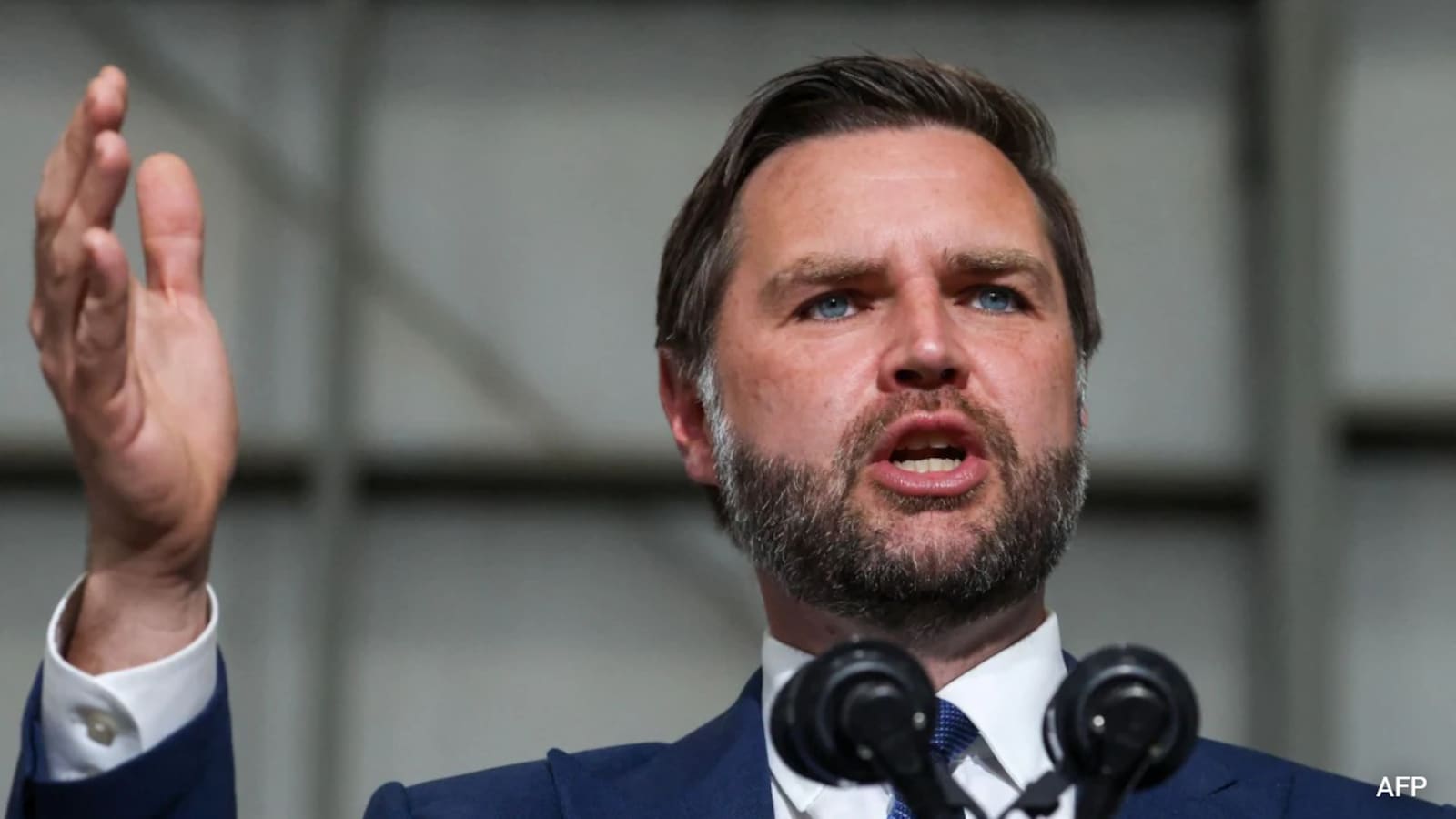
The vice president of the United States, JD Vance, talked on television about the situation.
He said the two countries are talking, and things are getting a little better.
He wants Iran to let the same amount of oil and gas pass through the waterway as before the conflict.
Early in the conflict, Iran placed dangerous underwater mines, so the countries must work together to remove them safely.
Iran told the United States it will not make ships pay money to use the waterway, but the US wants to see proof.
Iran says the waterway cannot open until the United States improves its behaviour and agrees to its demands.
The United States also wants Iran to promise not to attack ships carrying goods.

US Vice President JD Vance said Washington was 'in the middle of the game' and that 'some progress' had been made in talks with Iran over the Strait of Hormuz crisis.
Vance said the US expects oil and gas flows through the waterway to return to pre-conflict levels, stressing 'we don't trust. We verify.'
Iran has told the US it has 'no plans' to toll the Strait of Hormuz, though Washington is closely monitoring reports that tolls could be imposed.
The US is working with Gulf countries on demining and a safe maritime traffic scheme after Iran laid 'a large number of mines' at the start of the conflict.
Iran's Supreme National Security Council said the strait will open only when the US 'corrects its behaviour,' demanding compensation, sanctions relief and released assets; the UAE said Iran targeted an ADNOC tanker.
- Who
- US Vice President JD Vance, speaking to Fox News about negotiations with Iran
- What
- Vance said 'some progress' had been made and that the US expects restored oil and gas flows and safe commercial passage through the Strait of Hormuz, with tolls, demining, a safe traffic scheme, and a no-attack commitment under discussion; Iran has set conditions for reopening
- Where
- The Strait of Hormuz; negotiations between Washington and Tehran involving Gulf countries such as Oman
- When
- Saturday, in a Fox News interview, during the US-Israel-Iran war that began on February 28
- Why
- To resolve the Iran crisis and reopen the strategic waterway safely, restoring oil and gas flows to pre-conflict levels
US / Washington's view
Iran / Tehran's view
Conditions for reopening the Strait
US / Washington's view
The US expects oil and gas flows restored to pre-conflict levels and safe commercial passage, judging Iran by actions, not words.
Iran / Tehran's view
Iran says the strait will open only when the US 'corrects its behaviour,' demanding a no-threat assurance, a permanent end to the war, removal of the naval blockade, military withdrawal, compensation, sanctions relief and the release of frozen assets.
Tolls on vessels
US / Washington's view
Washington is closely monitoring reports that Iran could impose tolls on ships passing through the strait and will assess Tehran's intentions by its actions.
Iran / Tehran's view
Iran has told the US it has 'no plans' to toll the Strait of Hormuz, although some people within the Iranian system have spoken about tolling.
Trust and verification
US / Washington's view
'We don't trust. We verify' — the US looks at deeds rather than assurances and questions whether Iran's political system can deliver its commitments.
Iran / Tehran's view
Iran has conveyed to Washington that it will restore oil and gas flows, and Iran claims a deal with Oman on control of the strait is close.
Key facts
- Key figure
- US Vice President JD Vance
- Talks status
- 'Some progress'; US 'in the middle of the game'
- Strait significance
- Carries about 20 per cent of the world's oil supply
- US expectation
- Oil and gas flows through the Strait of Hormuz restored to pre-conflict levels
- Key issues
- Demining, a safe maritime traffic scheme, and a commitment not to fire at commercial vessels
- Tolls
- US monitoring reports of possible Iranian tolls; Iran says it has 'no plans' to toll
- Iran's conditions
- US must 'correct its behaviour': no-threat assurance, permanent end to war, blockade removal, compensation, sanctions lifted, frozen assets released
- Iran's position
- Under significant pressure and wants the conflict to end
Quotes
Vice President Jamal D. Vance
U.S. Vice President
“"Our expectation is you're going to see the same amount of oil and gas come out of the Gulf that you saw before the conflict started. That is what the Iranians have told us that they are going to do. That's what the entire Gulf coalition wants to do as well. But, you know, we don't trust, we verify. We actually look not at people's words, but people's deeds."”
 NDTV
NDTV
 firstpost.com
“"We are going to see what actions actually happen."”
NDTV
Sources
Related news
Vance Says US-Iran Strait of Hormuz Talks Remain 'Messy'
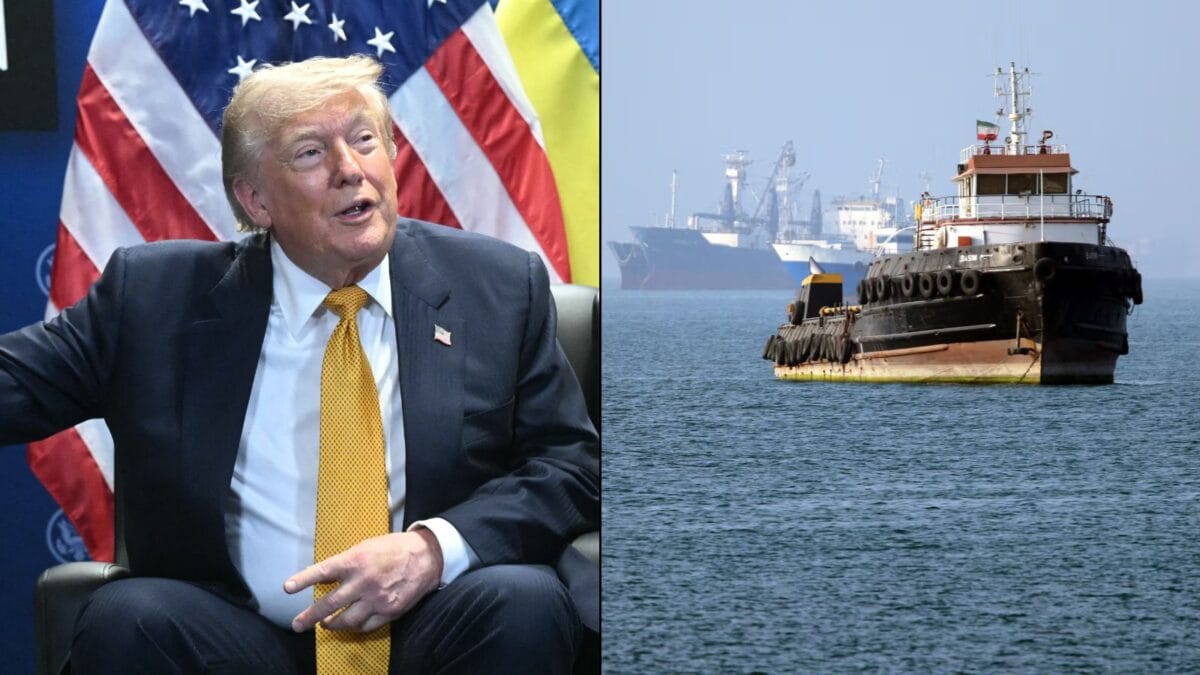
Iran Issues Sweeping Demands for Strait of Hormuz Reopening
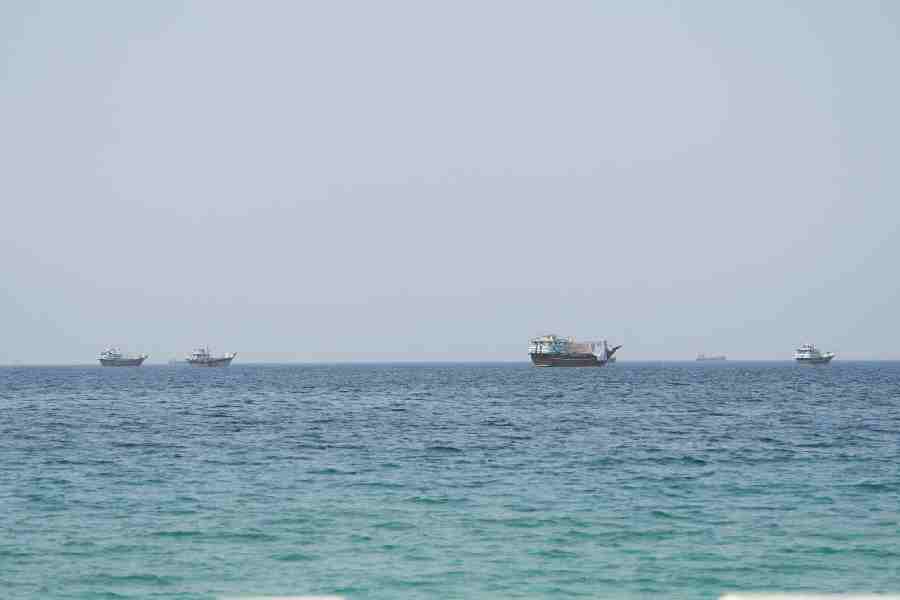
UAE accuses Iran of missile attack on Hormuz vessel

Iran Questions US Claims Southern Strait of Hormuz Route
US-Iran Strikes Escalate as Tehran Warns of New Strategy
Trump Warns of Fresh Iran Strike After Heavy Attack

Trump Says US Could Attack Iran Again at Will

U.S. Treasury Yields Ease as Jobs Data Misses Expectations
Iran Seizes Fuel-Smuggling Vessel in Gulf, Arrests 11 Crew