1 month ago
Delhi High Court Upholds AI Training Use of Copyrighted Content
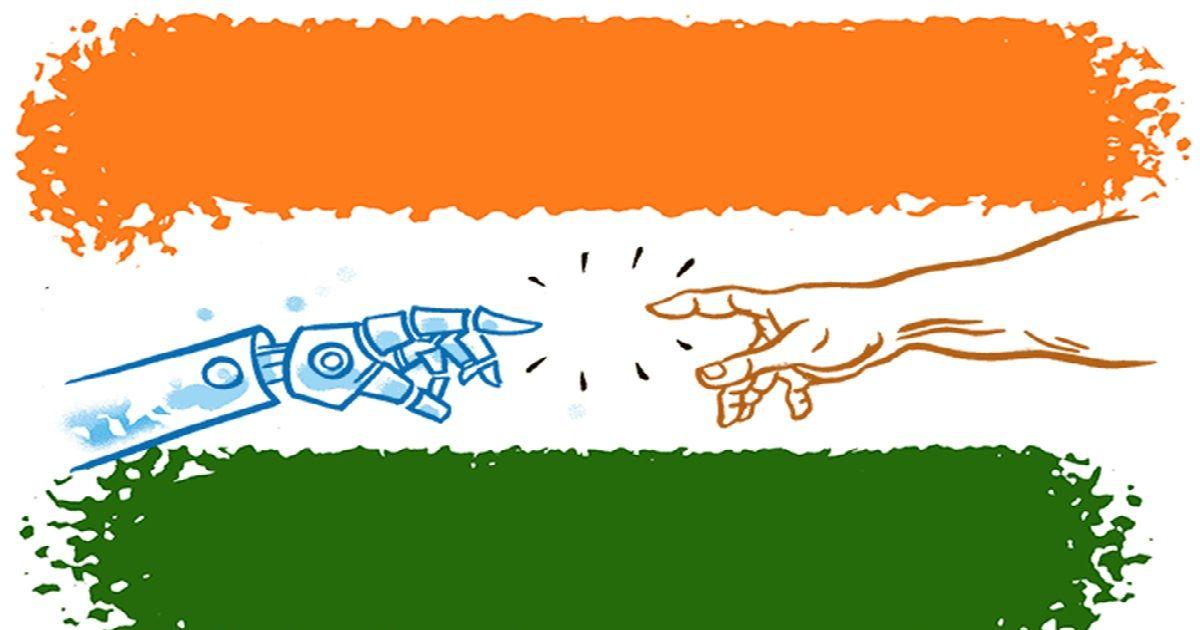
The Delhi High Court recently made a big decision about artificial intelligence (AI) and copyright laws.
The court said that OpenAI, a company that makes AI tools like ChatGPT, can use copyrighted material to train its AI models.
This is because the court believes it falls under 'fair dealing,' which is like using something for research or personal use without breaking copyright rules.
ANI, a news agency, had asked the court to stop OpenAI from using their copyrighted content, but the court said no because ANI couldn't prove that OpenAI was copying their work in a way that breaks the law.
The court also said that AI needs lots of data to work well, and it would be too expensive if companies had to get licenses for every piece of data they use.
This decision is important because it sets a precedent for how AI companies and copyright owners should handle the use of protected content.
However, there are still many questions that need to be answered, like whether AI training requires licenses and how creators should be compensated.

Delhi High Court ruled that OpenAI's use of copyrighted content for training AI models is permissible under 'fair dealing'.
Justice Amit Bansal dismissed ANI's plea for a temporary ban on OpenAI's use of its material.
The court noted that ChatGPT's output using RAG is not substantially similar to ANI's original works.
The judgment is the first in India to examine AI companies' use of copyrighted works for foundation models.
The ruling is expected to influence India's evolving debate on AI and copyright.
- Who
- Delhi High Court, Justice Amit Bansal, OpenAI, ANI
- What
- Delhi High Court ruled that using copyrighted content to train AI models is permissible under 'fair dealing'
- Where
- Delhi High Court, India
- When
- The judgment was delivered on Friday
- Why
- To determine if OpenAI's use of ANI's copyrighted content for training AI models constitutes copyright infringement
OpenAI's Perspective
ANI's Perspective
Use of Copyrighted Content
OpenAI's Perspective
OpenAI argues that using copyrighted content for training AI models falls under 'fair dealing' and is permissible for research and personal use.
ANI's Perspective
ANI contends that OpenAI's use of their copyrighted content without permission constitutes infringement and should be banned.
Commercial Use Exclusion
OpenAI's Perspective
OpenAI asserts that commercial entities are not automatically excluded from claiming the defence of fair dealing under Section 52(1)(a).
ANI's Perspective
ANI argues that commercial entities should not be allowed to use copyrighted material without proper licensing.
Key facts
- Court
- Delhi High Court
- Judge
- Justice Amit Bansal
- Plaintiff
- ANI (Asian News International)
- Defendant
- OpenAI
- Key Legal Provision
- Section 52 of the Copyright Act
- Technique Mentioned
- Retrieval-Augmented Generation (RAG)
- Judgment Length
- 135 pages
Quotes
OpenAI spokesperson
Spokesperson for OpenAI
“We welcome the court's decision. ChatGPT helps enhance human creativity and advance scientific discovery and medical research, and enables hundreds of millions of people in India and around the world to improve their daily lives.”
 rediff.com
Ronil Goger
Managing partner, Blaze Legal
“It is India's first substantive judicial engagement with AI and copyright, but it leaves fundamental questions unresolved, including whether AI training requires licences, how fair dealing applies to machine learning, and how creators should be compensated.”
rediff.com
Sources
Related news
Seven AI Courses Offer Paths From Free Lessons to Credentials
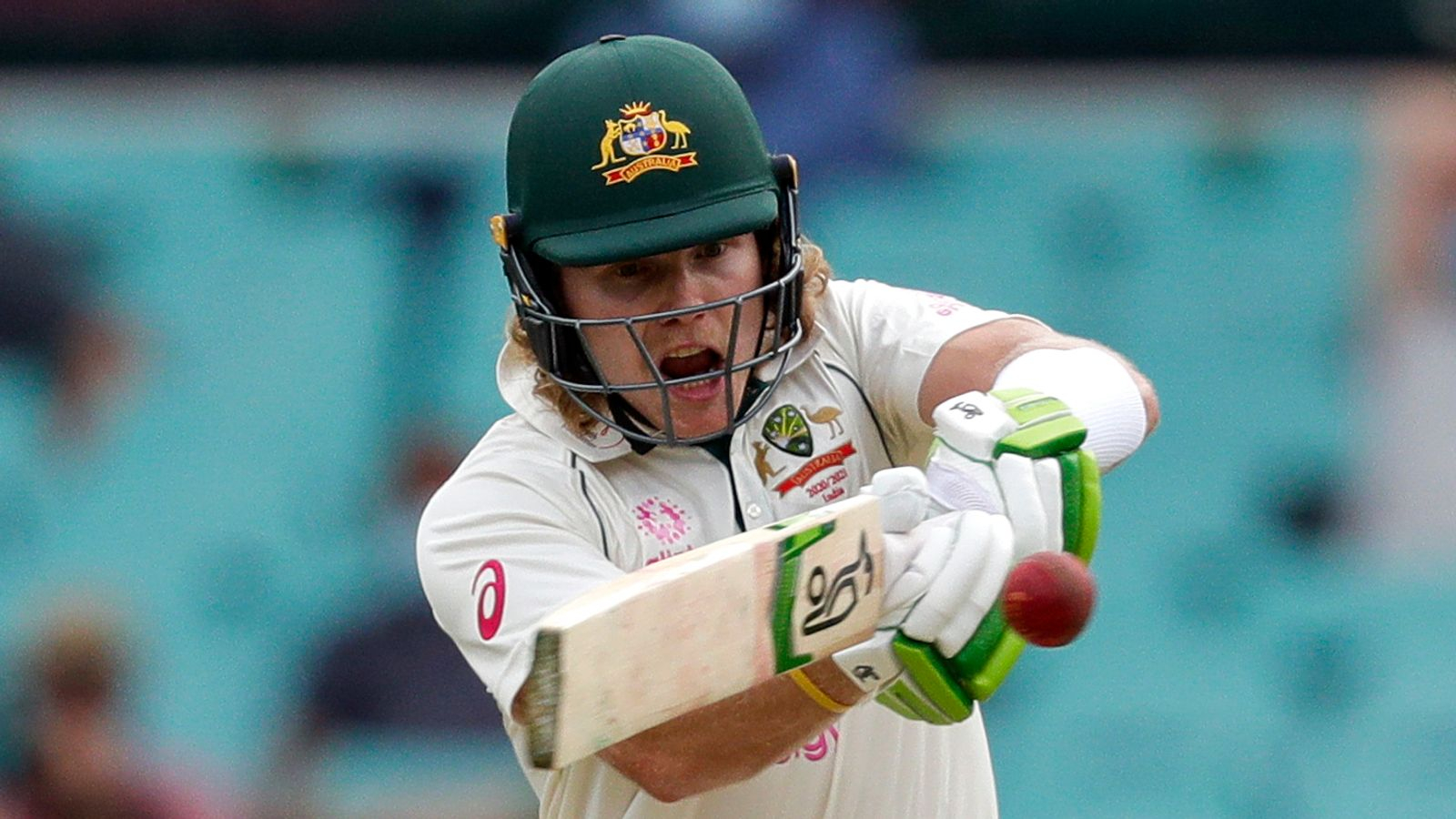
Will Pucovski Sues Brighton Grammar Over Concussion Handling

Australia's Prime Minister Proposes Data Centre Bans Near Schools

Karnataka Signs Rs 2,500 Crore ADB-Backed Project for 500 Schools

Supreme Court Issues Notice On Paper Leak Property Confiscation PIL