2 hrs ago
England’s Tourism Levy Could Raise Revenue, but Risks Remain
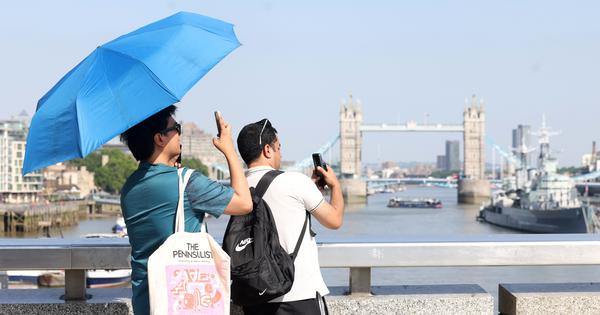
Some places charge visitors a little extra when they stay overnight.
England may allow local mayors to introduce a similar charge.
Supporters say the money could help towns pay for transport, environmental work and other improvements.
Critics worry that visitors may choose cheaper destinations or spend less in local businesses.
Families and budget travellers may be more affected than business travellers.
A charge that applies only to overnight stays may not solve problems caused by day-trippers.
Different places, such as large cities and coastal towns, may need different rules.
The article says careful planning is needed so the levy helps tourism instead of damaging it.

Mayors in England may gain the power to impose charges on overnight stays.
Supporters say visitor levies can raise revenue, fund local projects and improve tourism sustainability.
Critics warn that extra costs could hurt hospitality businesses and increase the cost of travel.
Research suggests tourists may keep the same holiday budget, reducing spending at restaurants, shops and attractions.
The levy’s success would depend on local conditions, careful design, monitoring and how the money is spent.
- Who
- Mayors in England could impose visitor levies, affecting tourists, accommodation providers and other tourism-related businesses.
- What
- A proposal to allow charges on overnight stays, commonly called visitor levies or tourist taxes.
- Where
- England, with examples discussed from destinations including Italy, Iceland, Spain, the United States and Wales.
- When
- The article does not specify when the powers would be introduced.
- Why
- To raise local revenue and potentially fund tourism, environmental, transport and community projects, while concerns focus on possible harm to affordability and businesses.
Supporters of visitor levies
Critics of tourist taxes
Revenue and local benefits
Supporters of visitor levies
A levy offers a straightforward way to raise money for tourism, environmental projects, transport and community improvements.
Critics of tourist taxes
The charge could increase the cost of living for visitors and may weaken the hospitality sector.
Effect on tourism spending
Supporters of visitor levies
Well-designed levies can improve destinations and support sustainability, potentially benefiting tourism over time.
Critics of tourist taxes
If travellers maintain a fixed holiday budget, extra accommodation costs may reduce spending at restaurants, shops and attractions.
One approach for every destination
Supporters of visitor levies
England could give local areas a tool to respond to their own tourism needs.
Critics of tourist taxes
There is no universal model: cities, coastal resorts and rural destinations differ in price sensitivity, visitor patterns and reliance on tourism.
Key facts
- Proposed charge
- An additional fee on overnight stays.
- Potential administrators
- Mayors in England may receive powers to impose the levy.
- Main argument for
- The levy could raise much-needed local revenue.
- Potential uses
- Funds could support environmental projects, public transport, tourism promotion, infrastructure and social housing.
- Spending concern
- Visitors may keep the same holiday budget and spend less in restaurants, shops or attractions when accommodation costs rise.
- Destination differences
- Large cities, coastal towns and rural destinations may experience different effects.
- Day-tripper limitation
- An overnight levy may not address problems caused by visitors who do not stay overnight.
Sources
Related news

Hospitality Businesses Urge Britain to Cut VAT Amid Rising Costs

Odisha Launches District Tourism Plan to Boost Rural Growth
Tripura Tourism Emerging as Key Driver of Economic Growth

Bengal Plans Satellite Mapping to Guide Greener Tourism Development

West Bengal Minister Calls for Disciplined Tourism Development

Omar Abdullah Says Tourism Plans Must Fit Each Destination

Fideuà: How a Fishermen’s Improvisation Became Gandia’s Signature Dish
Heavy Rain Floods Northeast Spain, Injuring 11 and Evacuating Hundreds
Man Arrested After Phone Wipes During Airport Search

Barcelona Awaits World Cup Victory Parade