1 week ago
Portugal Enacts Public Face-Covering Ban Amid Rights Debate
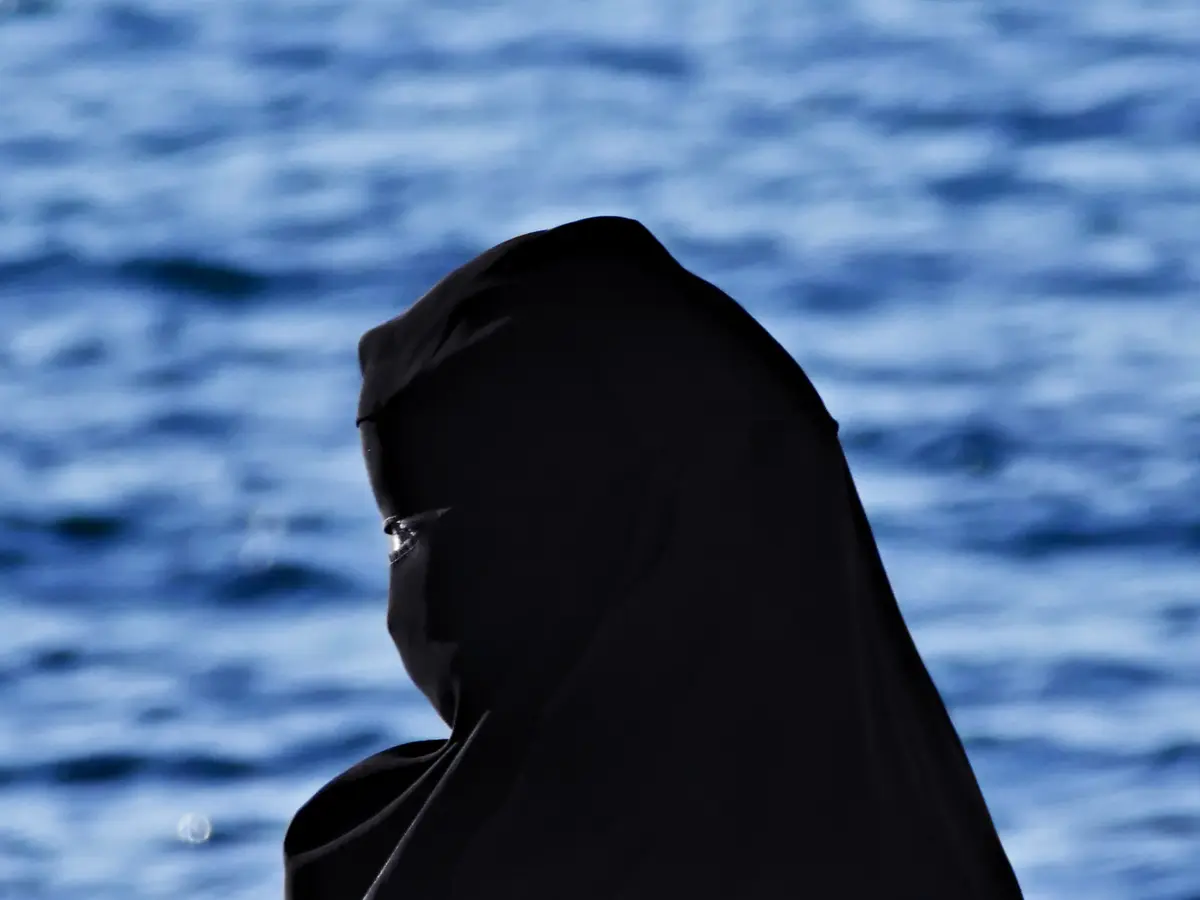
Portugal has made a law about covering faces in public places.
The law bans clothing designed to hide someone’s face or stop people from identifying them.
People who break the rule may receive a fine.
Some exceptions are allowed for health, work, art, bad weather, worship and travel.
The law also bans forcing someone to cover their face for reasons such as religion or gender.
Supporters say the rule helps with safety, equality and communication.
Human rights groups say it unfairly targets Muslim women and limits personal freedom.
Other countries, including France, Belgium, Austria, Denmark and Switzerland, have similar restrictions.

Portugal’s president enacted a law banning garments that conceal the face or prevent identification in public spaces.
The law was introduced by the far-right Chega party and passed Parliament with a two-thirds majority.
Violations carry fines ranging from €150 to €3,000, with exemptions for health, work, art, weather, worship, diplomatic missions and air travel.
Amnesty International and other rights groups say the measure disproportionately affects Muslim women and limits religious freedom.
Supporters cite gender equality, national security and transparent communication, while similar restrictions exist in several European, African and Asian countries.
- Who
- Portugal’s president, António José Seguro, enacted the law; it was introduced by Chega and supported by the governing coalition.
- What
- A law bans public garments designed to conceal the face or prevent identification and prohibits coercion to cover the face.
- Where
- The law applies in public spaces in Portugal, with listed exemptions including places of worship, diplomatic missions and airplanes.
- When
- The articles do not specify when the law was enacted.
- Why
- Supporters cite gender equality, national security and transparent communication; critics cite religious freedom, personal autonomy and concerns about disproportionate effects on Muslim women.
Critics and human rights groups
Supporters of the law
Religious freedom and autonomy
Critics and human rights groups
The law restricts religious freedom and personal autonomy and disproportionately affects Muslim women, according to Amnesty International and other rights groups.
Supporters of the law
Supporters argue that the measure protects gender equality and prevents coercion related to gender, religion, age or origin.
Public safety and identification
Critics and human rights groups
Critics contend that a broad public ban places unnecessary limits on individuals’ clothing and freedom.
Supporters of the law
Proponents say uncovered faces support national security, identification and transparent public communication.
Scope of the restriction
Critics and human rights groups
Human rights groups object to prohibiting full-face veils in public spaces because of their impact on religious minorities.
Supporters of the law
Supporters point to similar full or partial restrictions in countries across Europe, Africa and Asia, and to the law’s exemptions for practical or religious settings.
Key facts
- Penalty
- Fines range from €150 to €3,000.
- Parliamentary support
- The bill passed with a two-thirds majority.
- Bill sponsor
- The bill was originally introduced by the far-right Chega party.
- Exemptions
- Exceptions cover health, professional, artistic and weather-related needs, plus worship, diplomatic missions and airplanes.
- Criticism
- Amnesty International and other human rights groups say the law disproportionately targets Muslim women.
- Similar restrictions
- The articles say at least 24 countries worldwide have enacted full or partial bans on the burqa or niqab.
- European examples
- France, Belgium, Austria, Denmark, Switzerland, Bulgaria, the Netherlands and Norway are identified as having nationwide or partial restrictions.
Quotes
Portugal President Antonio Jose Seguro
President of Portugal
“the face must be considered a central element of human identity and communication”
 wionews.com
Sources
Related news

France's top court blocks under-15 social media ban

France to ban unsolicited telemarketing calls starting next week
France bans cold calls with fines up to €375,000
German watchdog files criminal complaint against Meta over AI glasses
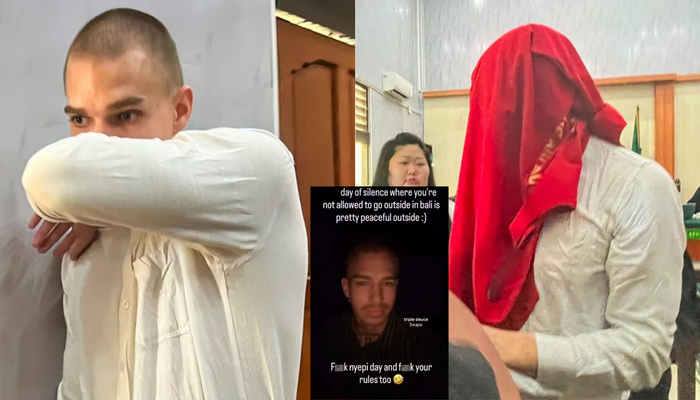
Swiss Tourist Sentenced To One Year Over Bali Nyepi Disrespect
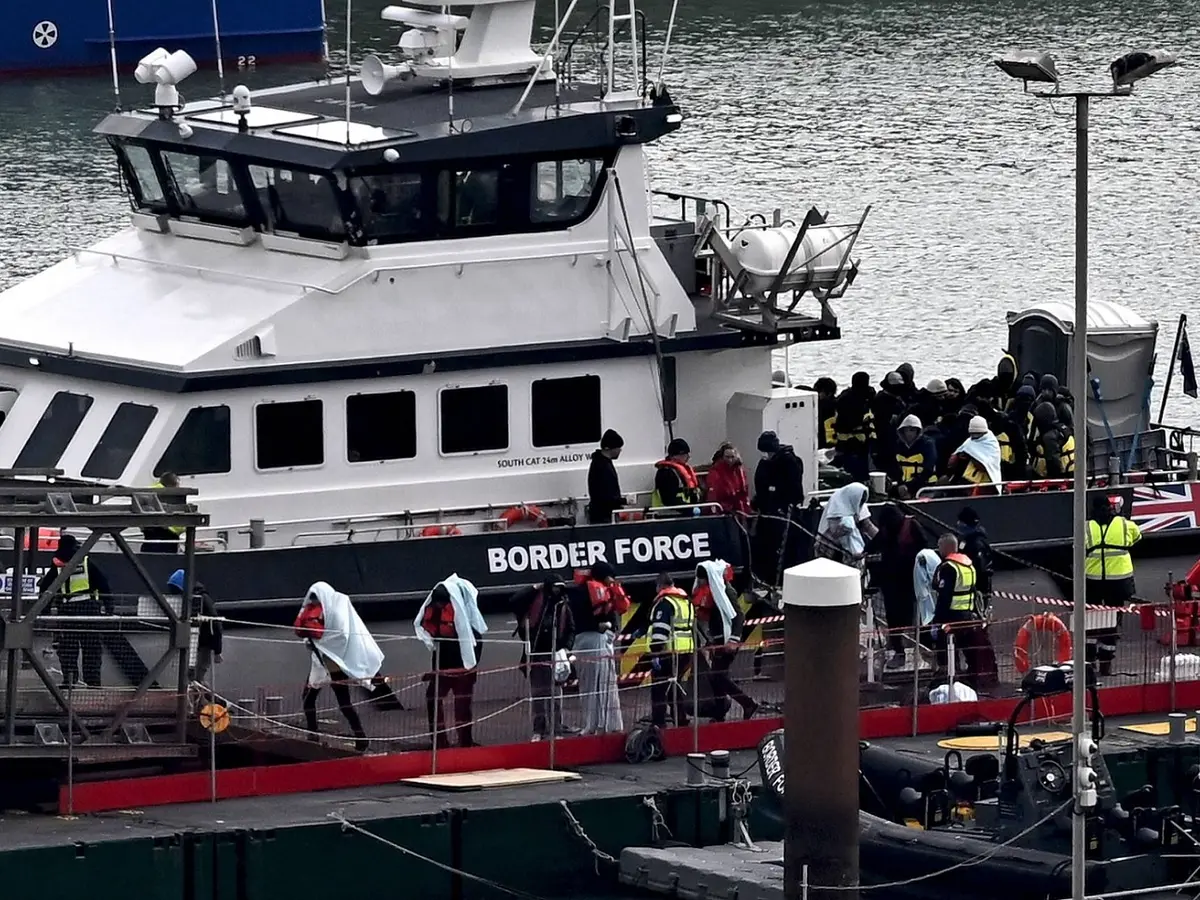
UK Booklet Tells Asylum Seekers How To Behave

Denmark Sends Conscripts to Greenland as Arctic Tensions Rise

Denmark Delegation Discusses Future Power Grid Development in Amaravati
India and Denmark Deepen MSME Innovation, IP Cooperation

UK Student Dependent Ban Reshapes Family Study-Abroad Choices
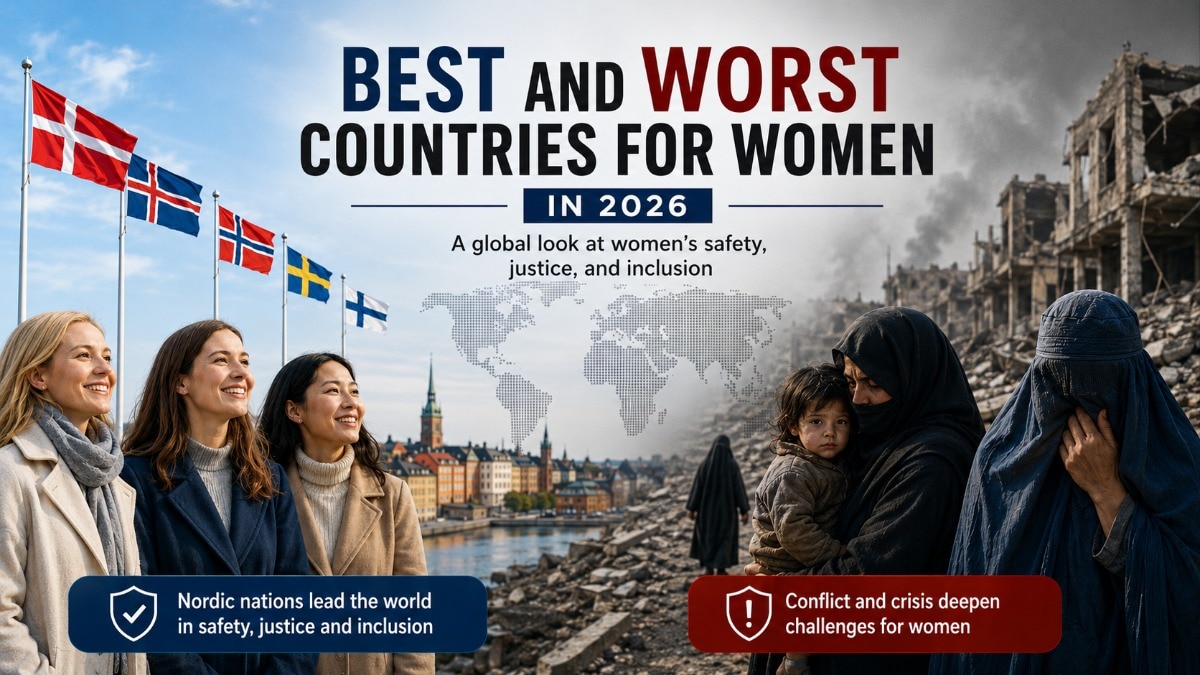
Denmark Tops Global Women’s Peace and Security Index